


Femke Broeders-Bol admits she is already “far ahead” of where she imagined she might be when she made the audacious decision to leave the 400m hurdles behind and reinvent herself as an 800m runner.
Less than a year after stunning athletics by announcing that switch, the twice world 400m hurdles champion and 400m indoor world record-holder has become a European 800m bronze medallist, equalled one of the longest-standing records in Dutch athletics and established herself as the third-fastest woman in the world this year.
Paris 2024, McLaughlin-Levrone and a "leap of faith"
The seeds of the most dramatic career change in athletics were planted in the aftermath of the Paris Olympics in 2024, where she won bronze in the 400m hurdles.
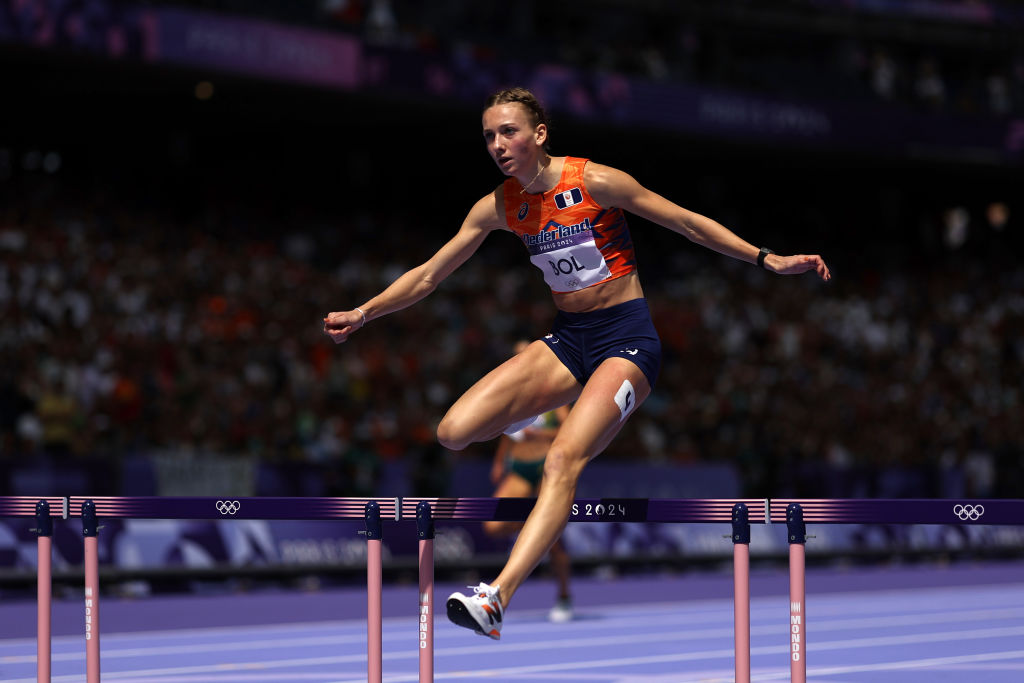
“After Paris Olympics, you started to look at a new cycle,” she said. “We started to see for new goals, new things, and then the 800m came into mind.
“But we didn't want to rush the decision. We also wanted to finish the hurdles on a high note. So, I took the whole 2025 year to think about it. So it was a well thought out decision.”
But when the switch was finally announced last October, it appeared almost astonishingly bold.
Broeders-Bol was not an athlete desperately searching for a new direction. She was the outstanding 400m hurdler of her generation behind Sydney McLaughlin-Levrone, a two-time world champion who had built an extraordinary record of consistency and Diamond League dominance.
Yet privately, the possibility of becoming a two-lap runner had been occupying her thoughts for a year. There was at least one tantalising clue behind the scenes that the switch could be a success.
When Broeders-Bol skipped the 2025 indoor season, emerging only for the relays at the Apeldoorn 2025 European Athletics Indoor Championships, she ran a 600m time trial in training which suggested the endurance required for the 800m might be there.
But there was no secret test which told her she was destined to become one of the world's best.
“I must have also been thinking, can I really do it?” she said. “I think when I didn't do indoors, we did do like a 600m time trial, and it was good. But of course, a six [600 metres] is easier to do good than something else.
“I think it was more on intuition, on seeing in training what I'm good at. I'm also loving the lactic part, for example, in training — and the endurance part.
“So, I didn't have any guarantees, but I also knew it's something I wanted to do. If it wouldn't work this year, I could also go back [to the 400m hurdles]. So I think it was just a bit of a leap of faith in myself.”
It is becoming increasingly difficult to imagine her needing that escape route back.
Indoor record, injury, Werro and Hodgkinson
Her first competitive 800m, indoors in Metz in February, produced an immediate Dutch indoor record of 1:59.07 — the first sub-two-minute indoor performance by a Dutch woman.
A foot injury then interrupted the experiment almost as soon as it had begun, wiping out the remainder of her indoor season and costing her valuable endurance training.
When she returned outdoors, however, the progression was startling.
Broeders-Bol ran 1:57.13 on her outdoor debut in Ostrava on June 16 behind the outstanding 800m runner of the summer Audrey Werro, then won in Hengelo in 1:57.41 five days later.
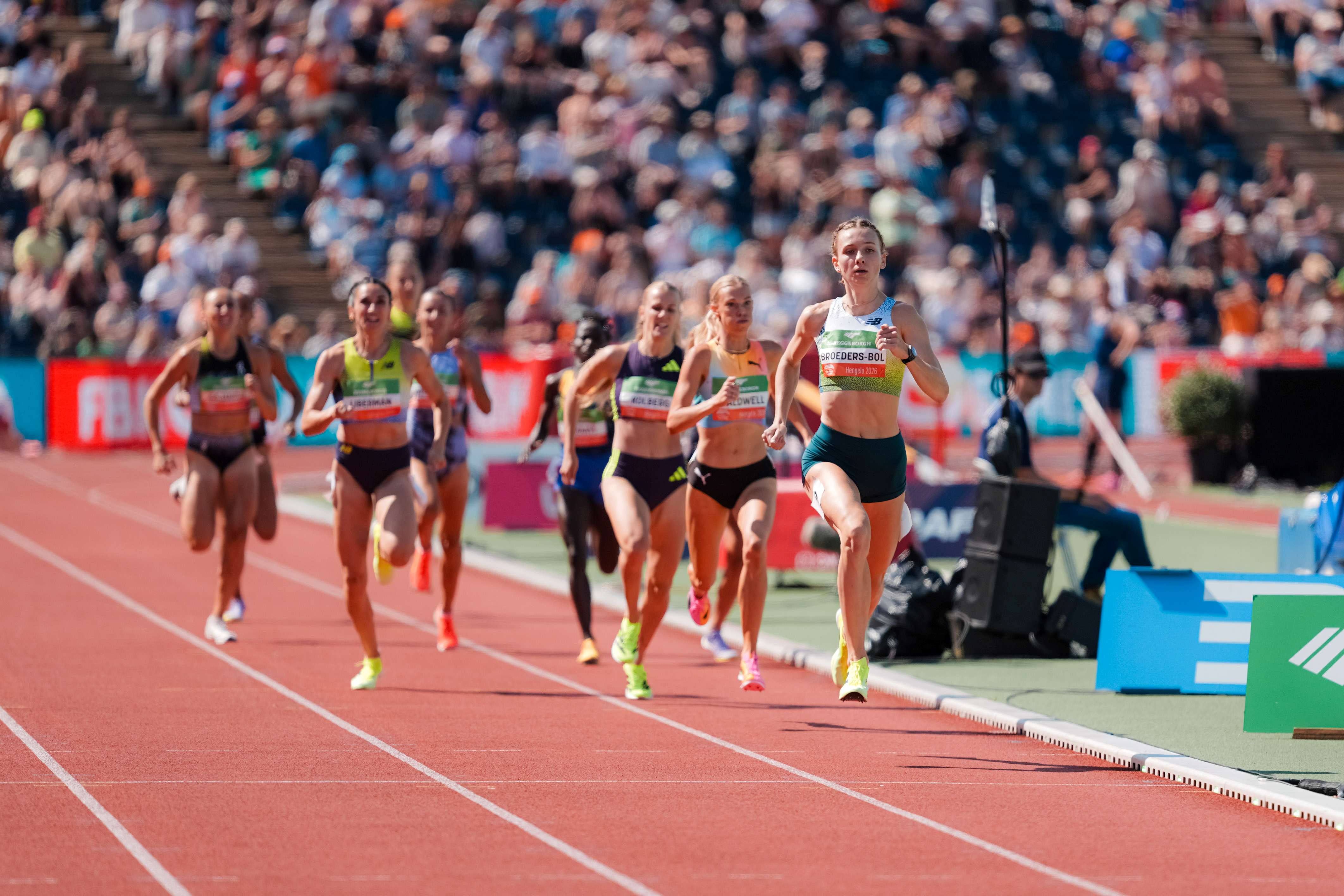
At her first Diamond League 800m in Paris, she slashed her best to 1:55.60, finishing second to Switzerland's Werro and missing Ellen van Langen's Dutch record by just six hundredths of a second. Then came London.
Against Olympic champion Keely Hodgkinson, Broeders-Bol stayed in contention deep into the race before Hodgkinson prevailed in 1:56.21, with the Dutchwoman just a quarter of a second behind in 1:56.46.
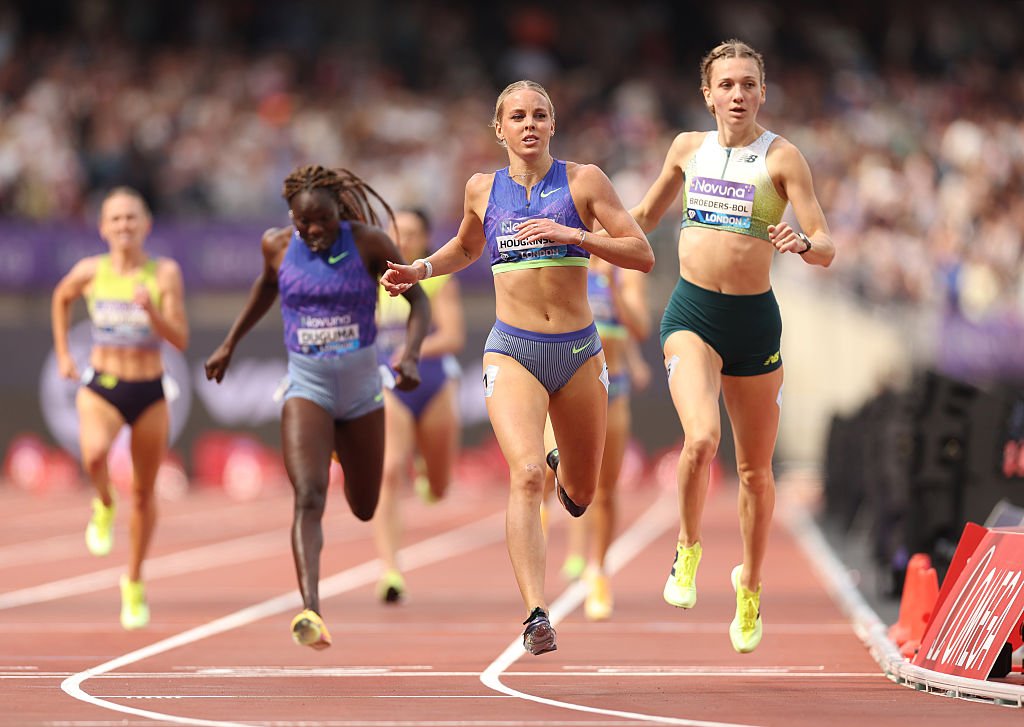
European medals and being "far ahead" of schedule
By Birmingham 2026, what had begun as an experiment had become a genuine medal campaign.
And the stage could hardly have been bigger.
The women’s 800m final had been billed as one of the races of the year: Olympic champion and darling of the British crowd Hodgkinson against the brilliant young Werro, with Broeders-Bol — the former 400m hurdles queen who had gatecrashed the event’s elite in a matter of months — adding another compelling dimension.
The anticipation inside the stadium was immense and the atmosphere matched it.
There was a sense before the gun that this was not simply another championship final but a genuine collision between three of the defining athletes of the modern era. When the race finally arrived, it lived up to the hype.
It was fast, committed and brutally competitive. Werro ultimately proved strongest, surging to her first European title in a championship record of 1:54.81, but Hodgkinson pushed her all the way, taking silver in 1:55.01.
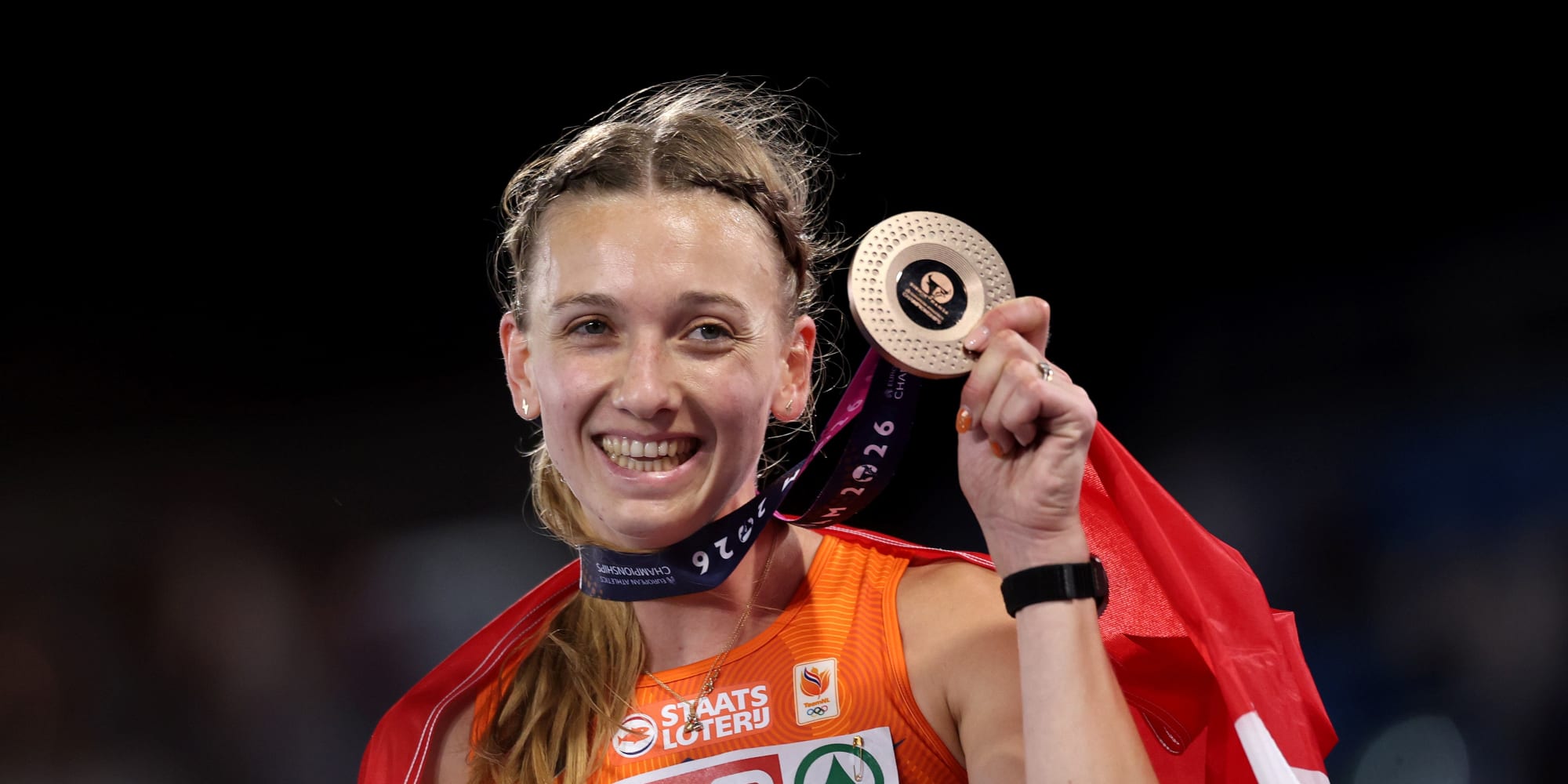
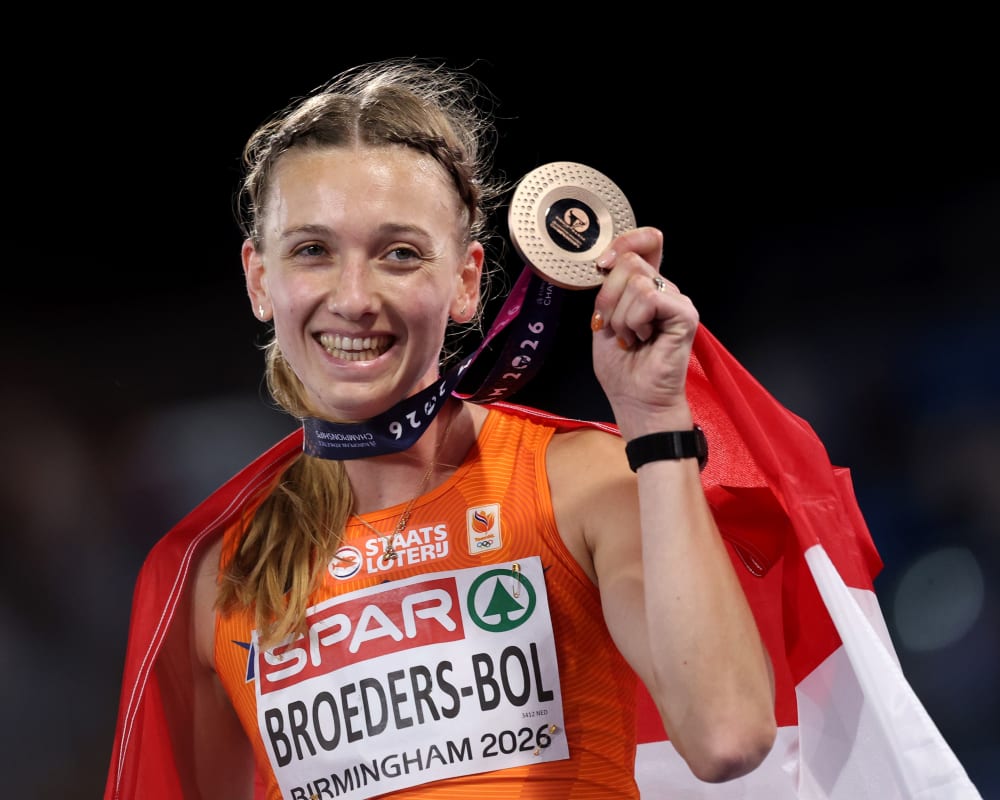
Just behind them came Broeders-Bol, completing one of the most remarkable event transitions in recent athletics history by claiming bronze in 1:55.54.
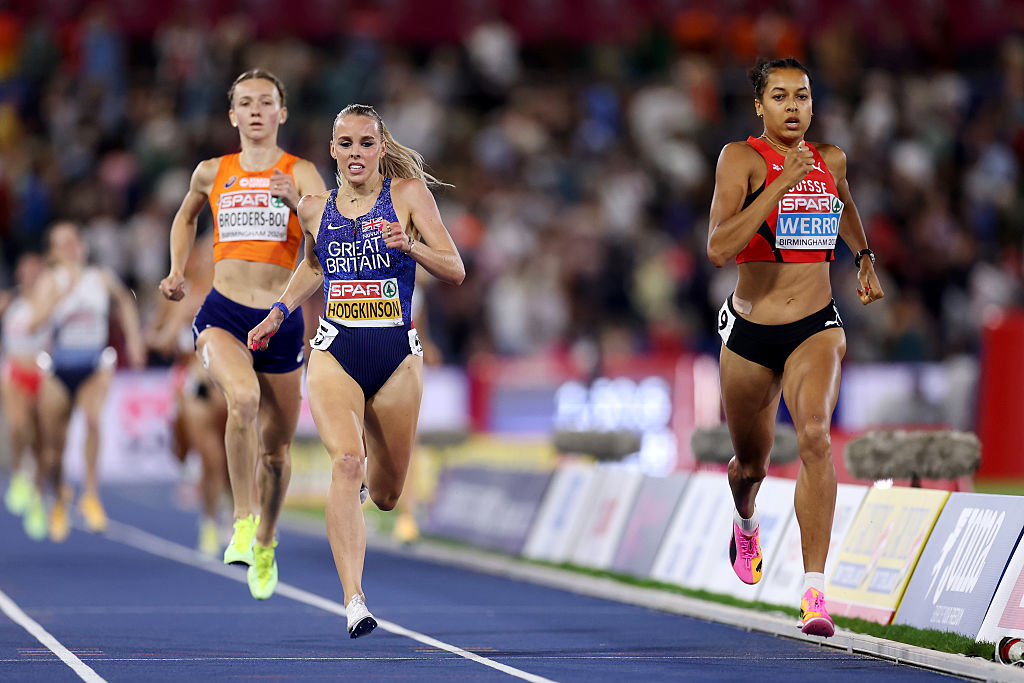
The time carried an extra resonance. It was exactly the Dutch record Ellen van Langen had run when winning Olympic gold in Barcelona in 1992 — a mark that had survived untouched for 34 years until Broeders-Bol matched it on one of the biggest nights of her fledgling 800m career.
And yet she was not quite finished. Returning to a familiar role, she ran the final leg in the women's 4x400m and delivered what has become a customary image at major international events: Broeders-Bol pointing the baton skywards as she secures another relay gold medal for the Netherlands.
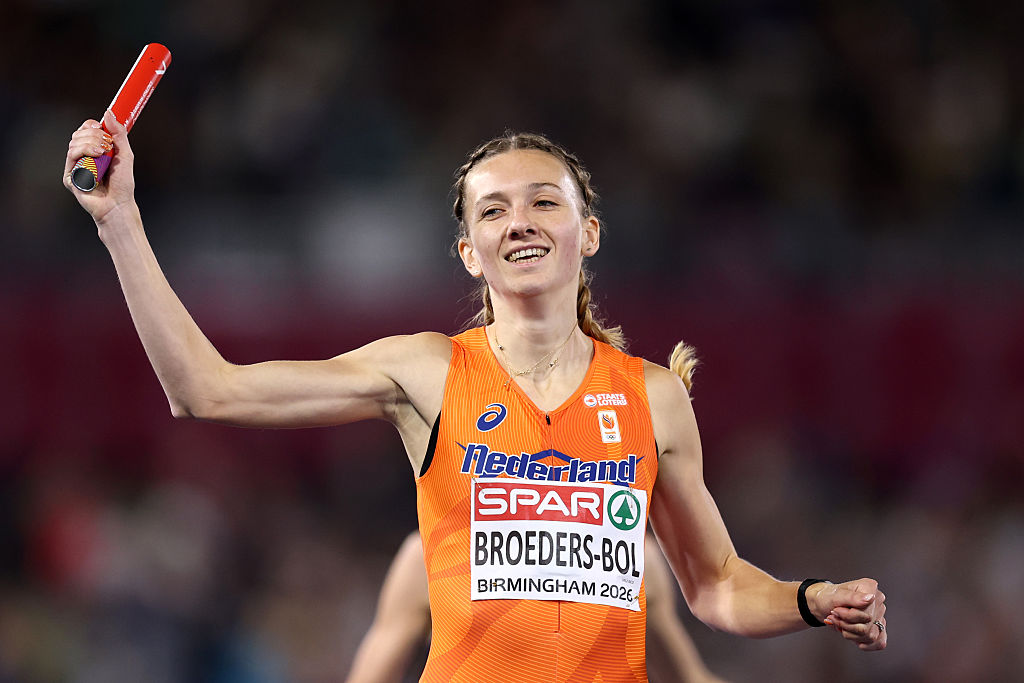
It meant she left her first major outdoor championship as an 800m runner with two medals - individual bronze over two laps and relay gold over the distance in which she made her name.
A year ago, her expectations were considerably more modest.
“Definitely far ahead,” Broeders-Bol said when asked whether her progress had surpassed what she envisaged.
“I would have hoped to make European final, and I would have hoped to make it with the ranking into Budapest (World Athletics Ultimate Championships).
“But I would have said 1:57, I would have been also happy with this year.”
Instead, she has run 1:55.54 and sits third on the 2026 world list behind only Werro and Hodgkinson. That is some company, barely ten months into her new career.
An event on the move and no "easy" medal
The women's 800m has undergone an extraordinary acceleration at precisely the moment Broeders-Bol decided to join it.
Hodgkinson, the Olympic champion, has pushed the event forward setting an indoor world record of 1:54.87 in February while Werro has emerged spectacularly this summer.
The Swiss 22-year-old ran 1:53.98 in Stockholm and then an astonishing 1:53.80 in Paris, the third-fastest performance in history.
For somebody embarking on an entirely new event, Broeders-Bol could hardly have chosen a more unforgiving time to do it.
The fearless Dutch athlete sees that as part of the attraction.
“No, I think it inspires me more than it scares me,” she said. “I knew it was a big event. I know it's a tough event.
“But I think I'm doing this because I wanted to challenge myself and see what I can do as an athlete, not to get an easier medal, for example.
“Because I knew it wouldn't be an easier medal — no medal is ever easy. It's about what I wanted to do as an athlete and how I wanted to improve myself as an athlete.”
Broeders-Bol has seen before how one exceptional athlete can drag an entire event towards previously unimaginable territory.
She lived through it in the 400m hurdles as McLaughlin-Levrone repeatedly redefined what was possible, ultimately taking the world record below 51 seconds.
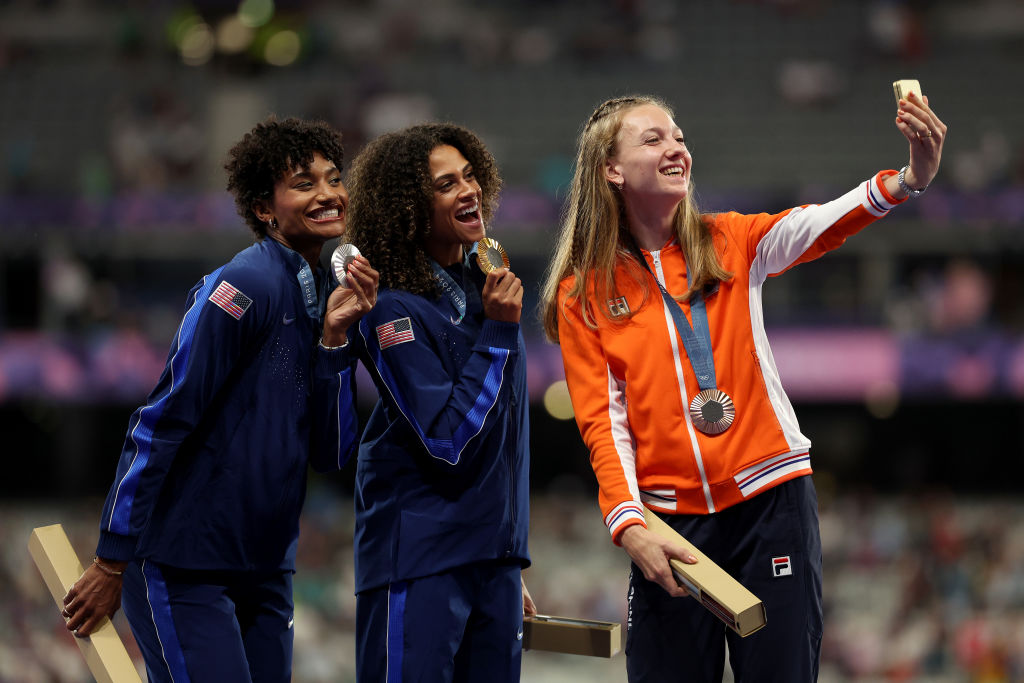
“I think we saw the 400 hurdles with Sydney,” Broeders-Bol said. “She went into 51, then she went in the 50s, and you start to see how the whole event goes up because people inspire each other.
“So, I think it's more something good for an event.”
Now Broeders-Bol finds herself inside another event experiencing the same phenomenon.
Werro is the new world No.1 on time, Hodgkinson remains the Olympic champion and Broeders-Bol, remarkably, is already close enough to both to believe there is considerably more to come.
Yet perhaps the most striking aspect of her transformation is how little she talks about medals or beating either woman.
What excites her is learning.
“Well, I'm very happy mostly right now,” she said. “It's of course motivating, especially to see how close I already am. I'm not there, but already being in a final, already getting a bronze medal at the European Championship with such a high level, running a 1:55.5, our national record, equalling it.
“I'm learning this event and I really see it fits me well. I'm just very excited to learn and expand more, like doing more races, having different kind of races.”
Improving endurance
That learning curve remains steep.
For all the startling results, Broeders-Bol still describes herself — with a smile — as deficient in one of the fundamental qualities of an 800m runner.
“My endurance is still very bad for an 800m runner,” she said.
“But I know this takes time. I was injured after indoors, so of course you missed some training with this.
“I think in general there's so much I need to learn about the event that there wouldn't be one thing to improve.”
That may be the most ominous thought for her rivals.
Broeders-Bol has reached 1:55.54 despite spending most of her elite career training for an event half the distance, despite losing training after the indoor season to injury and despite possessing only a handful of serious 800m races from which to learn its rhythms, positioning and tactical subtleties.
She is already the third-fastest woman of 2026 and she still considers herself a novice.
"A happy athlete is a better athlete"
There has also been another significant change away from the track.
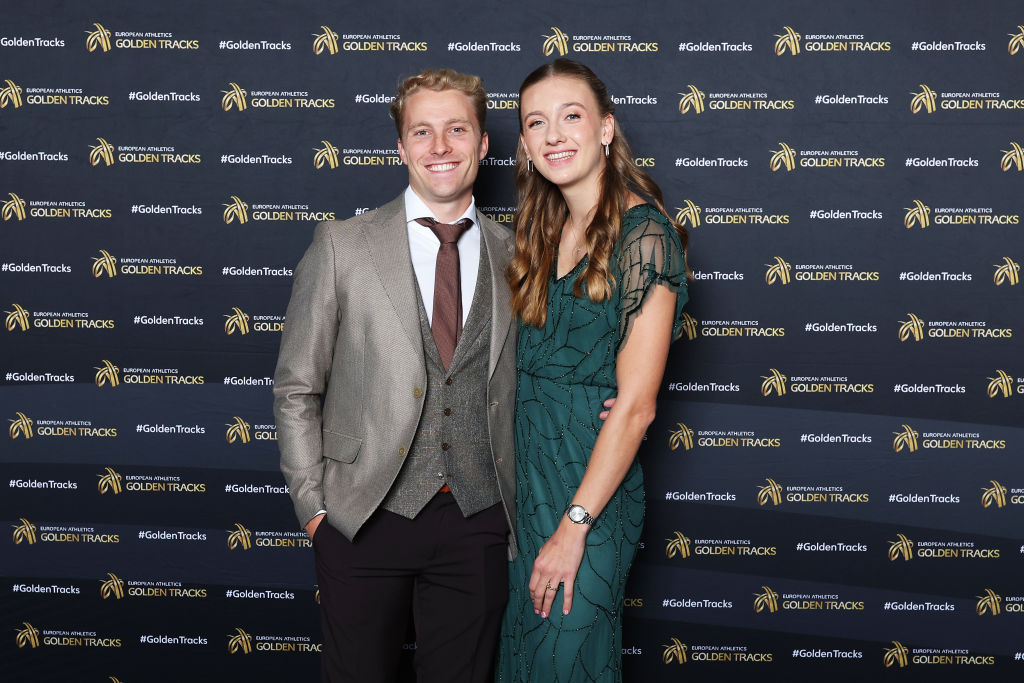
Earlier this year she married Belgian pole vaulter Ben Broeders, becoming Femke Broeders-Bol, and she believes the happiness and understanding she has found in their relationship has provided an important foundation during a season of enormous professional change.
“A happy athlete is, I think, always a better athlete,” she said. “Because it also makes you more — how you say — resistant for bad things like injuries and things.
“If you're just feeling good, if you're happy, I think this is a very good basis for training and everything.
“And I think it helps a lot that we are also here now together as athletes. We understand each other's world. We understand each other's sacrifices we sometimes make, choices we sometimes make.
“So yeah, I really think we are stronger.”
It is an appropriate sentiment for a year in which Broeders-Bol has discovered strength in unexpected places.
The 800m began as an idea after Paris, became a year-long debate and ultimately required what she calls a “leap of faith”.
Less than 12 months after finally taking it, she is a European medallist, joint Dutch record-holder and already chasing two of the fastest women the event has ever produced.
She expected that first season might bring a 1:57.
Instead, Femke Broeders-Bol is far ahead — and still learning how far she might go.