


Just four days into 2026, Jana van Lent became the first athlete to set a new European record, clocking 30:10 in the women's 10km in Nice. In total, there were 20 senior European records set in 2025.
So it is a virtual certainty that many more records will fall in 2026. But who will break what, when, and how? Those remain to be seen, but here are some possibilities:
-
Men’s pole vault
Can Mondo Duplantis go even higher? Having re-set the record four times last year, leaving the new mark at 6.30m so memorably in Tokyo, more record attempts are certain.

He has set the world record at the Olympic Games and World Athletics Championships, but never at a European Athletics Championships. Could Birmingham 2026 be the year?
-
Men’s discus
In successive years, Lithuania’s Mykolas Alekna has set a new world record in Ramona, USA, in April, taking the record to 75.56m. Nine of the top 20 throws in the men’s discus came at the Oklahoma-based event, benefitting from consistently ideal conditions. At this year’s event, Alekna is likely to be joined by European champion Kristjan Čeh.
-
Men’s road records
Nine of the top ten European times ever for the men’s 10km, and eight of the top ten times ever for the men’s 5km, have been set since March 2024.
2025 was a breakthrough year, with Jimmy Gressier becoming the first European to break 13 minutes for 5km, setting a European record of 12:57 in Lille.
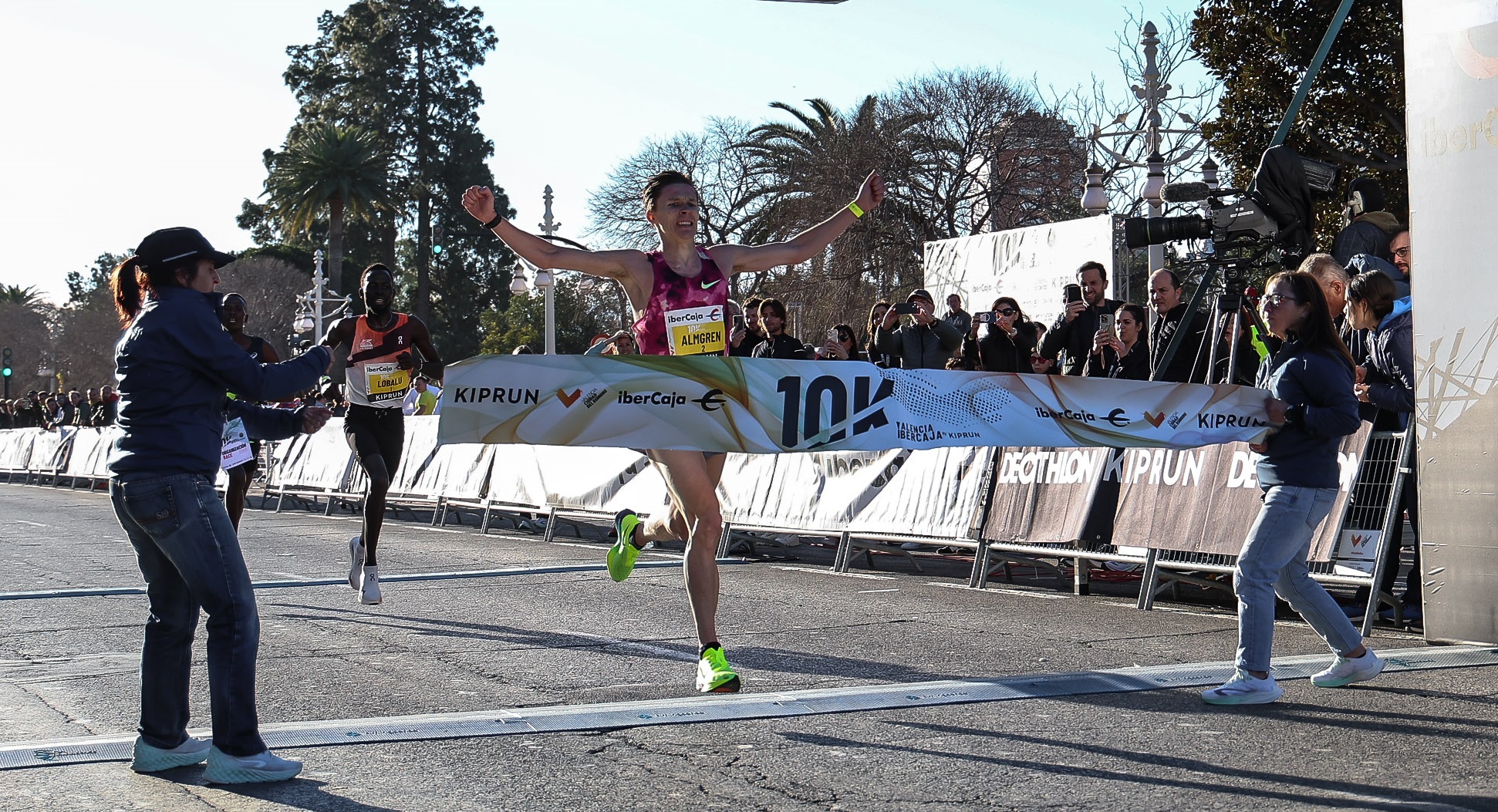
Sweden’s Andreas Almgren also became the first European to beat 27 minutes for 10km (26:53, Valencia) and the first to go under 59 minutes for the half marathon (58:41, Valencia). The first major assault on the records could come from Almgren, back at his favoured venue at the 10K Valencia Ibercaja on 11 January.
In addition, the men’s marathon record could also come under threat. The record currently stands at 2:03:36, held by Olympic silver medallist Bashir Abdi since 2021.
The Belgian, along with world silver and bronze medallists Amanal Petros of Germany and Iliass Aouani of Italy, forms part of a thriving European men’s marathon scene that could create the competitive environment needed to see the record revised again this year.
-
Men’s 5000m
Gressier and Almgren also enjoyed a record-breaking year on the track in 2025. The French athlete set a new indoor best of 12:54.92 in Boston, USA, while the Swedish athlete revelled in home support as he set a new outdoor mark of 12:44.27 in Stockholm.
Both athletes rose to greater prominence in the absence of the injury-afflicted Olympic, world, and European champion Jakob Ingebrigtsen.
With the Norwegian sure to be highly motivated on his return, and all three athletes seemingly at the peak of their powers, could they push on to even greater deeds this year? Also, do not discount Spain's European cross country champion as another record contender.
-
Men’s heptathlon (indoor)
The indoor men’s multi-event record was broken twice by Norway’s Sander Skotheim last year on his way to world indoor and European indoor gold in a superb winter campaign.
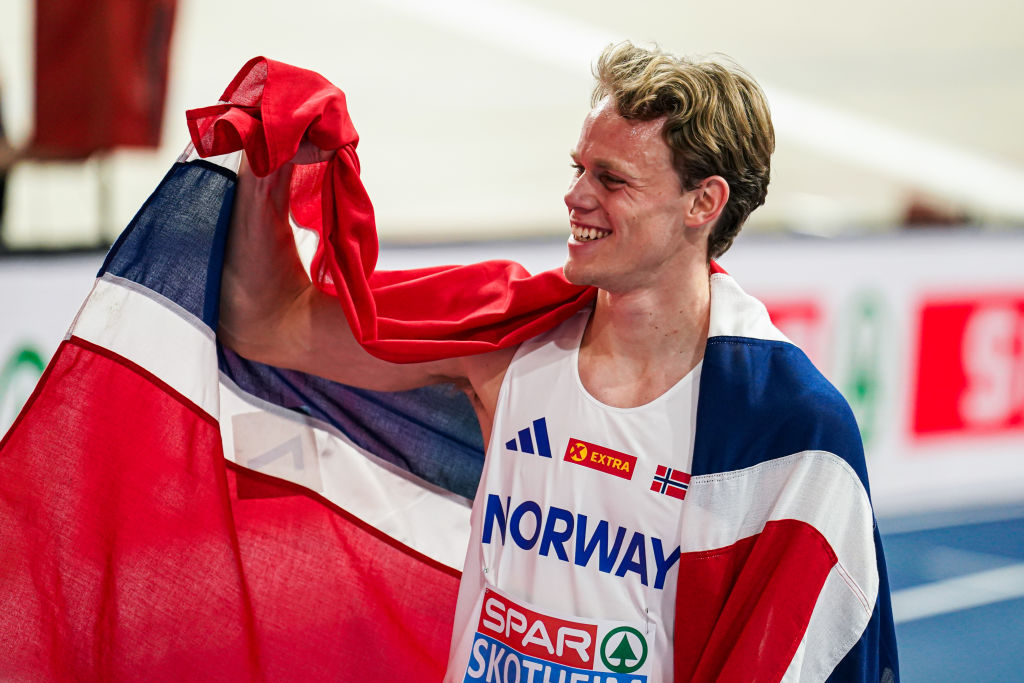
With the World Athletics Indoor Championships in Toruń in March, another record chase could be on towards the 6,558 mark he set in Apeldoorn in 2025.
-
Half marathon race walks
No record is guaranteed, but this is perhaps as close as it gets. The newly introduced race walk distance for international championships will be premiered at the European Athletics Championships in Birmingham.
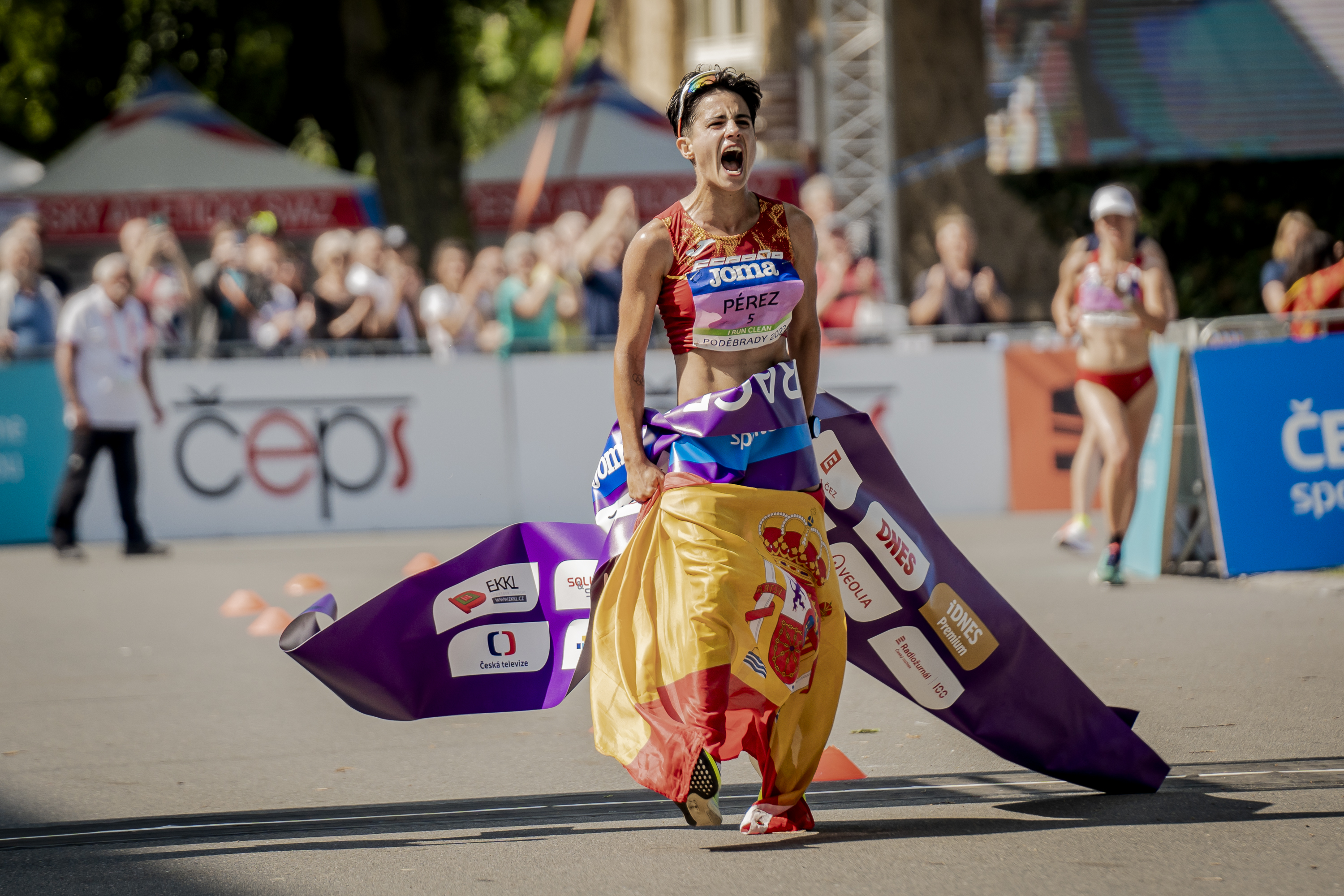
Spain’s María Pérez, a four-time world champion and world women’s 35km record holder, and Italy’s Massimo Stano, the Tokyo Olympic 20km champion and men’s 35km record holder, are sure to be among those charging at the records.
The target times for European record recognition have been set at 1:23:30 (men) and 1:32:00 (women).
-
Women’s sprint hurdles
At the Apeldoorn 2025 European Athletics Indoor Championships, Switzerland’s Ditaji Kambundji blitzed to a new European record of 7.67, just ahead of twice former champion Nadine Visser of the Netherlands (7.72) and Poland’s former European 100m hurdles champion Pia Skrzyszowska (7.83).
The mark was also just 0.02 shy of the world record. Since then, Kambundji has become world 100m hurdles champion with a time of 12.24, placing her second on the European all-time list.
With Kambundji, Visser, Skrzyszowska, and France’s Olympic silver and European gold medallist Cyréna Samba-Mayela all set to be in the mix, it could be survival of the quickest in the women’s sprint hurdles this year.
Kambundji’s own 60m hurdles best of 7.67, and the long-standing 100m hurdles record of 12.21 set by Bulgaria’s Yordanka Donkova in 1988, could both be under threat.
-
Women’s 800m indoor
Olympic champion Keely Hodgkinson was forced to abandon plans to attack the world indoor record when injury caused her to shelve her indoor season last year.
But a renewed assault on the 2002 mark of 1:55.82, held by Slovenia’s Jolanda Čeplak, could be on the cards. Training alongside world 800m silver medallist Georgia Hunter Bell can only fuel any record tilt by Hodgkinson.
-
Women’s road records
The six fastest times ever recorded in the women’s road 5km have come since 2021, with three of those set in 2025. All are topped by Nadia Battocletti’s European record of 14:32, set in Tokyo in May. Expect a renewed assault in 2026, led by the irrepressible Italian.
The women's 10km became the first to fall in 2026, with Belgium's Jana van Lent clocking a scorching 30:10 in Nice on 4 January, beating British runner Paula Radcliffe's 2003 record in a mixed race of 30:21.
Battocletti, the Netherlands' Diane van Es, Slovenia's Klara Lukan and other are surely set to challenge each 5km and 10km road record this year.
And some European records likely to survive another year...
-
Men’s 800m – 1:41.11, Wilson Kipketer (DEN), 1997
Big strides have been taken towards the mark in recent years, but Kipketer’s time remains half a second clear of the all-time number two, Gabriel Tual of France, set at the Paris Olympic Games.
-
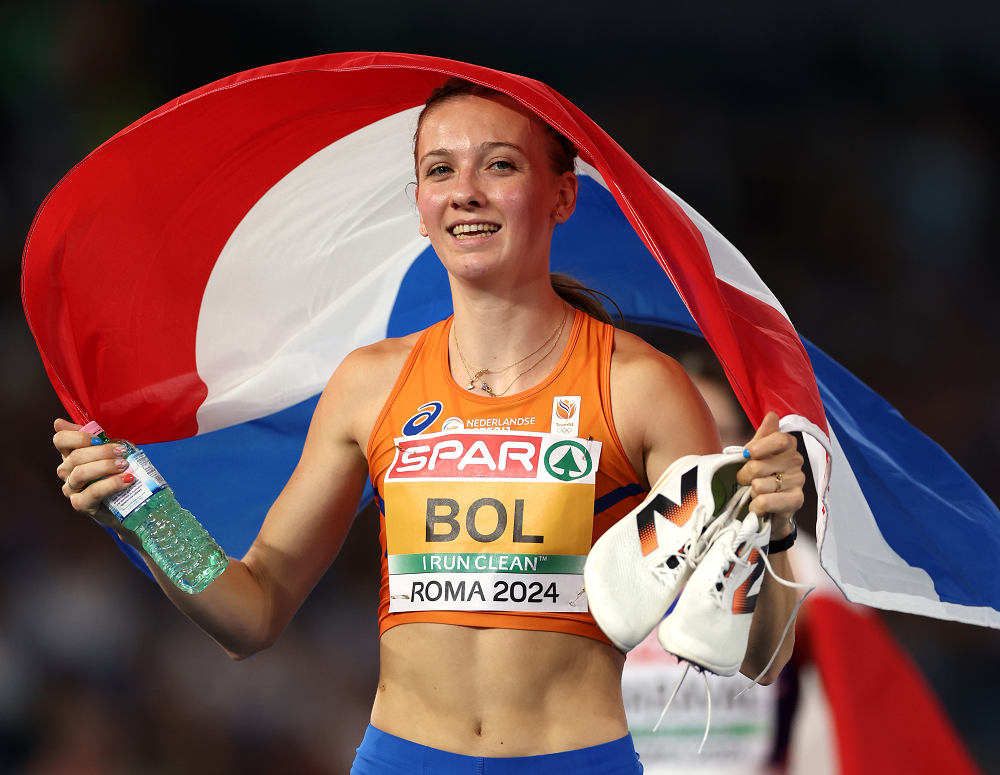
Women’s 400m hurdles – 50.95, Femke Bol (NED), 2024
The Dutch icon’s shift towards the 800m this year opens opportunities for a new generation of 400m hurdlers, but her European record should remain safe for some time yet.
-
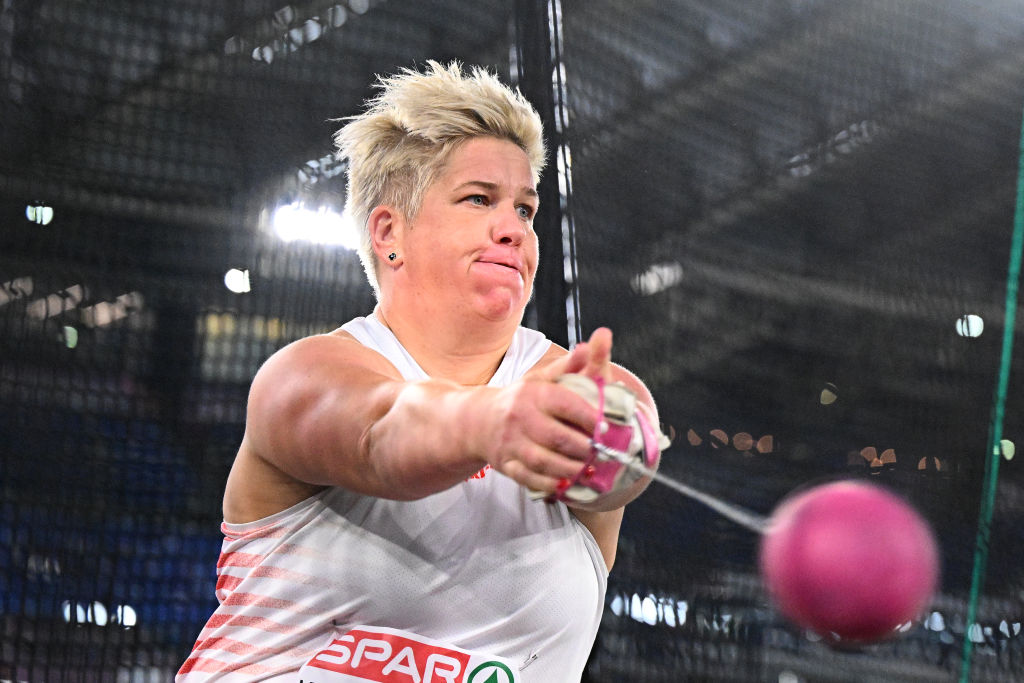
Women’s hammer throw – 82.98, Anita Wlodarczyk (POL), 2016
Now into the autumn years of her career, yet still capable of challenging on the international stage, Włodarczyk is likely to target a seventh appearance at the European Athletics Championships in Birmingham this summer. But her world record remains one of the strongest on the books.
-
Men’s high jump – 2.42m, Patrik Sjöberg (SWE), 1987 / Carlo Thränhardt (GER), 1988 / Bohdan Bondarenko (UKR), 2014
Sjöberg’s original mark remains one of the longest-standing records in athletics history and has survived multiple generations. It looks safe for at least another year.
-
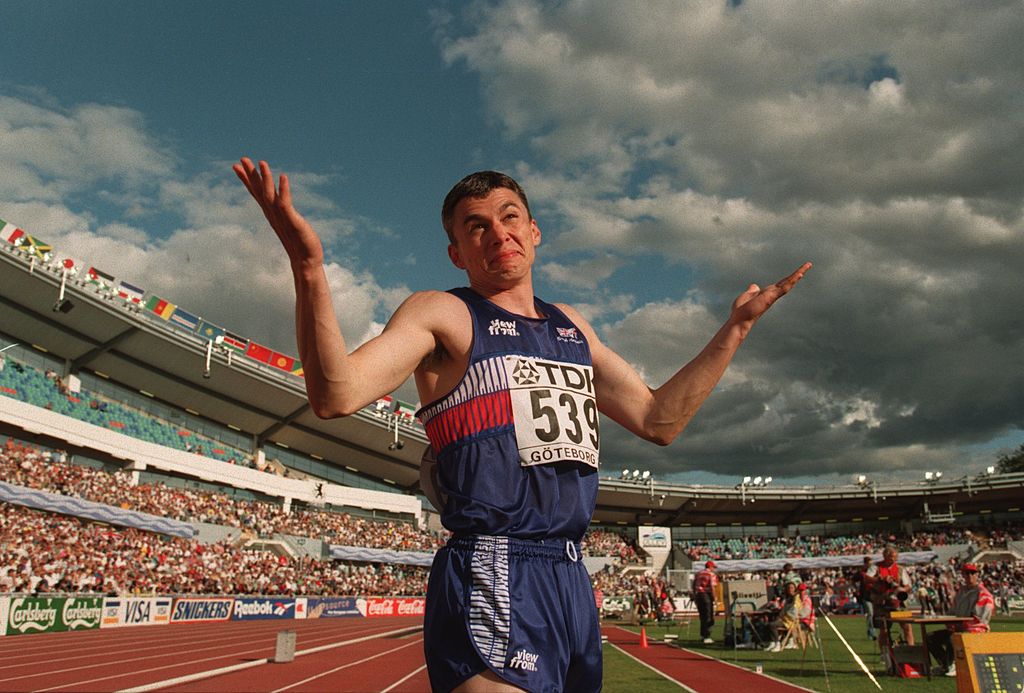
Men’s triple jump – 18.29m, Jonathan Edwards, 1995
Edwards’ iconic series, highlighted by a monumental leap of 18.29m to win gold at the World Athletics Championships in Gothenburg, remains one of the most unreachable world records in athletics history. In 2026, the mark moves into its fourth decade.
-
Men’s decathlon – 9126 points, Kevin Mayer (FRA), 2018
Kevin Mayer’s stupendous 9,126 points from 2018 remains beyond the reach of the world’s best multi-eventers. Challenging the Frenchman’s mark will require a near-perfect series across all ten events.