



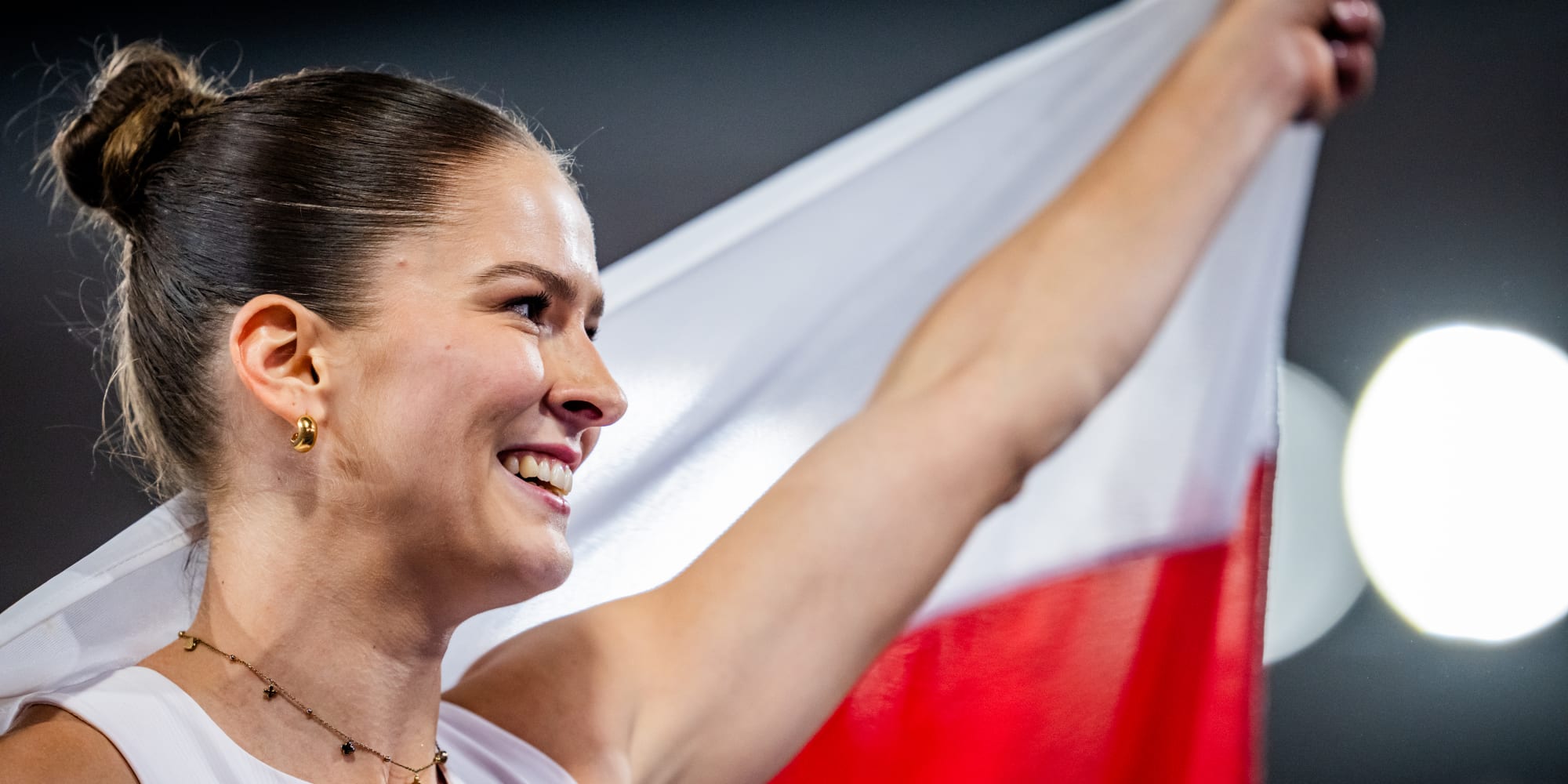


More than nine out of 10 athletes at the Birmingham 2026 European Athletics Championships took part in electing the new European Athletics Athletes’ Committee. With Pia Skrzyszowska set to chair the group, the eight representatives will now spend the next four years helping ensure athletes have a meaningful voice in the decisions that shape the sport.
While Europe’s leading athletes were competing for medals in Birmingham, they were also choosing who should represent them away from competition.
Of 1,548 accredited athletes, 1,417 cast valid votes in the election for the European Athletics Athletes’ Committee, a participation rate of 91.54%.
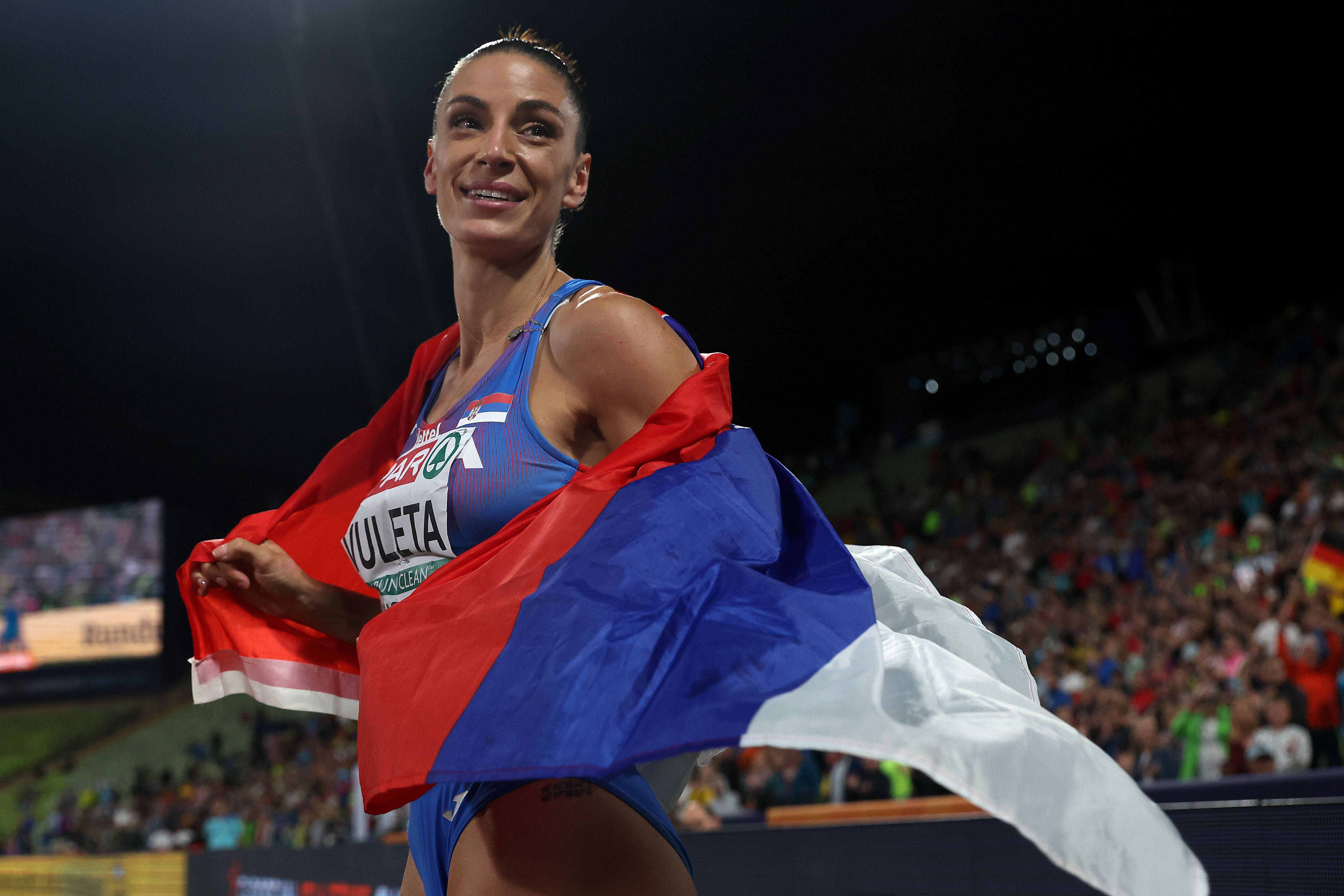
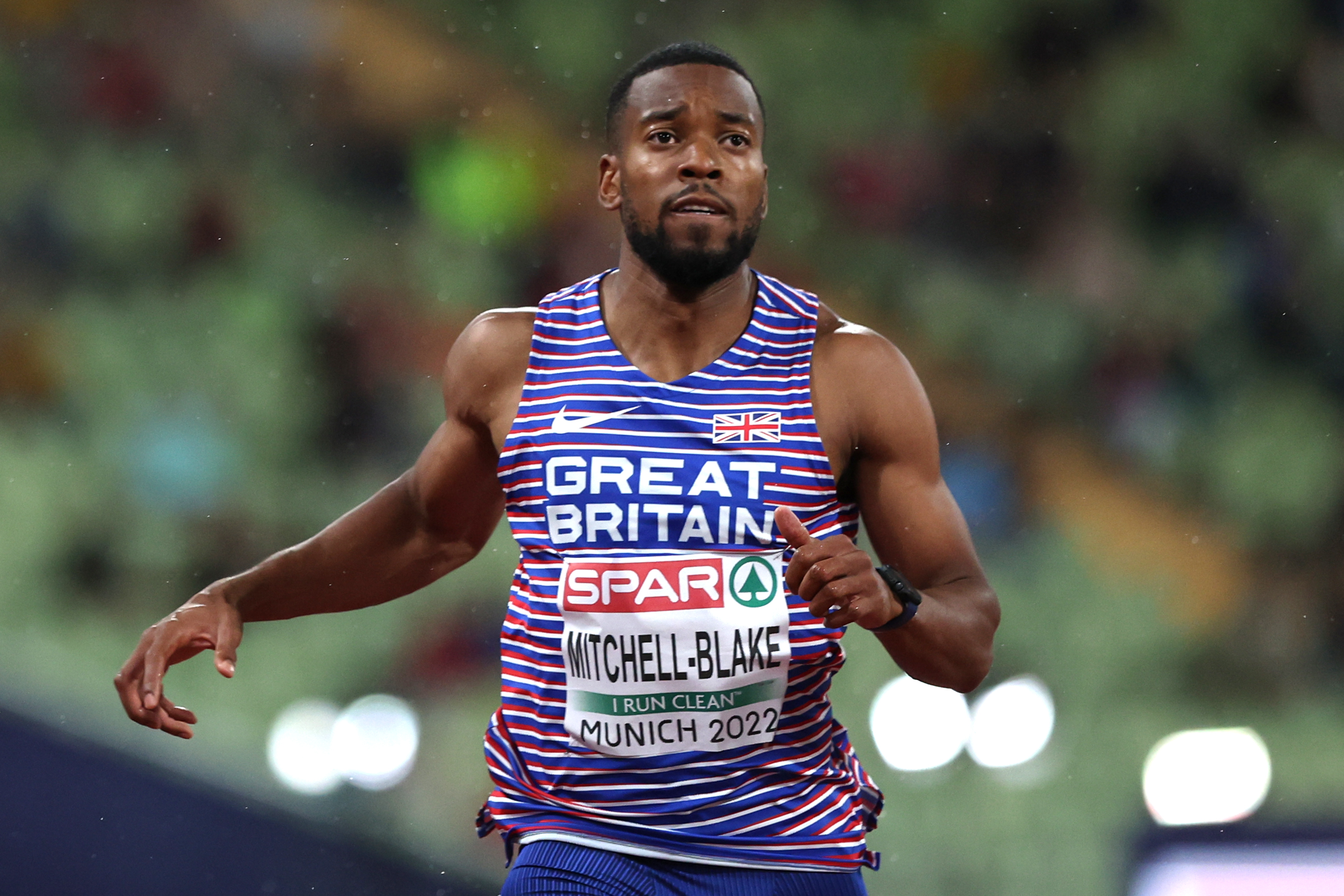
The result is a new committee comprising four women and four men: Federica Curiazzi of Italy, Lovisa Lindh of Sweden, Attila Molnár of Hungary, Nethaneel Mitchell-Blake of Great Britain and Northern Ireland, Pia Skrzyszowska of Poland, Nick Smidt of the Netherlands, Ivana Španović of Serbia and Ján Volko of Slovakia.
They will serve until 2030, representing athletes’ views and helping strengthen the link between competitors and European Athletics.
The committee has a practical role within the organisation. It discusses issues affecting athletes on and off the track, from competition and athlete welfare to integrity, safeguarding and the longer-term development of the sport. Its Chair also sits on the European Athletics Council with full voting rights, giving athletes a direct route into the organisation’s decision-making.
A strong mandate
Skrzyszowska received the highest number of votes among the women, followed by Španović, Lindh and Curiazzi.
The Polish sprint hurdler has subsequently been proposed as Chair by European Athletics President Dobromir Karamarinov in accordance with the regulations, with the nomination approved by the European Athletics Council.
A European 100m hurdles champion and multiple major championship medallist, Skrzyszowska highlighted athlete wellbeing and safeguarding when putting herself forward for election, including the importance of athletes feeling heard, supported and properly represented.
The rest of the committee brings a broad range of experiences.
Španović has spent more than two decades competing internationally and has won world and European long jump titles as well as an Olympic bronze medal. Lindh, a European 800m bronze medallist and nine-time Swedish champion, now also brings the perspective of a recently retired athlete working as a coach and mentor.
Curiazzi combines international race walking with a professional career as a teacher, while Smidt brings experience as an international 400m hurdler and relay medallist.
Mitchell-Blake has competed at the highest level of global sprinting, winning world 4x100m gold, Olympic bronze and multiple European medals. European indoor 400m champion Molnár has spoken about the importance of fair conditions and opportunities for young athletes moving into senior competition, while former European indoor 60m champion Volko has emphasised the value of representing athletes from smaller nations as well as the sport’s larger federations.
Between them, the eight members represent sprinting, hurdles, middle-distance running, race walking and horizontal jumps, while also coming from Member Federations with very different structures and resources.
That range should help the committee reflect the fact that athletes across Europe do not all experience the sport in the same way.
Turning representation into influence
Athlete representation matters most when it has an impact on decisions.
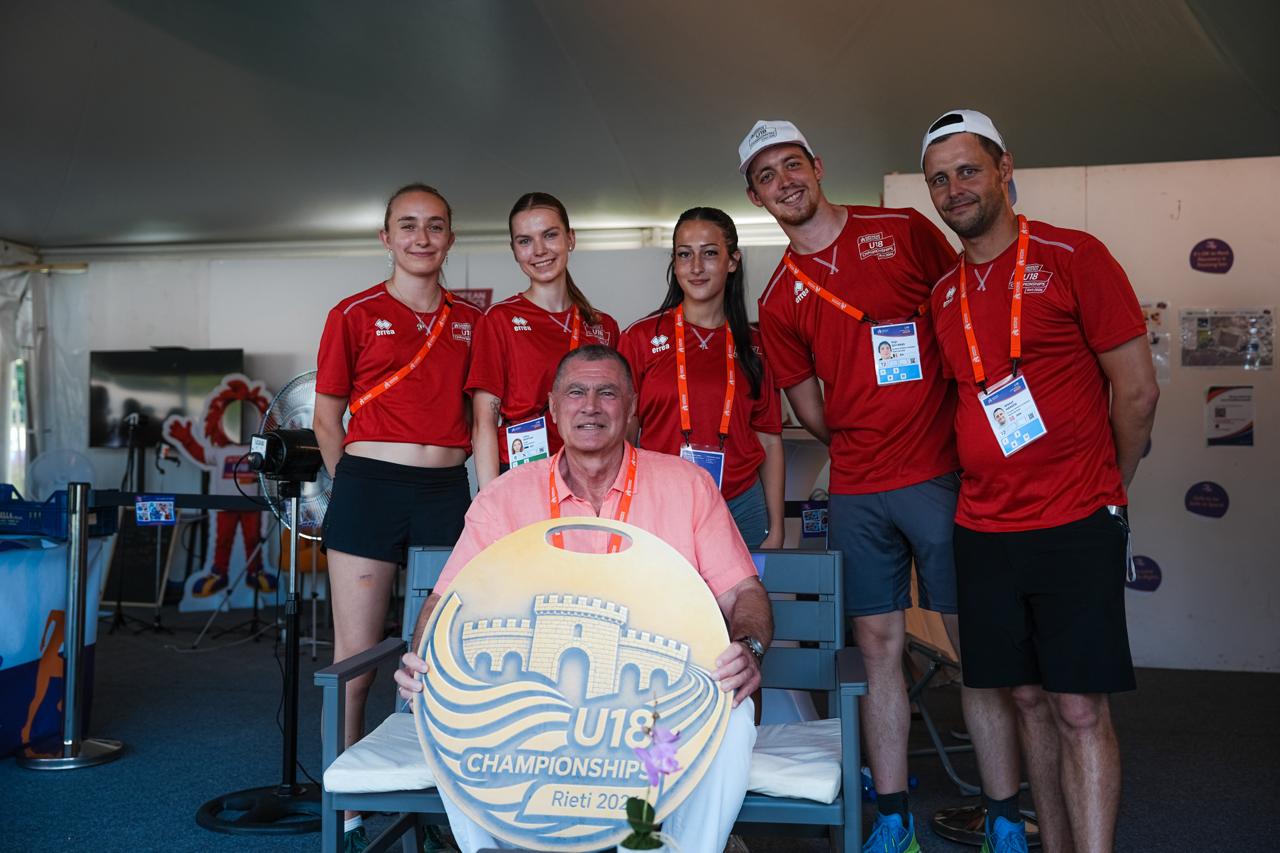
Karamarinov touched on that during a visit to the Athletes’ Zone at the European Athletics U20 Championships in Tampere last year.
“Just as we ask athletes to raise their voices, we must be ready to listen, to learn, and to act,” he said.
The turnout in Birmingham suggests athletes themselves see value in the committee. More than nine out of 10 eligible athletes chose to take part, giving the incoming representatives a strong mandate for the next four years.
Their task now is to make sure the views they bring forward reflect the wider athlete community rather than simply their own experiences.
The concerns of an established global medallist may be quite different from those of an athlete trying to break into international competition. Athletes from smaller Member Federations can face different challenges from those in larger, better-resourced systems, while many continue to balance training and competition with employment or education.
The committee therefore has an important listening role as well as a representative one. It will need to identify common concerns across those different experiences and bring them into discussions within European Athletics.
Skrzyszowska’s position as Chair will be particularly important in that process, providing a formal link between the committee and the European Athletics Council.
First meeting in Lausanne
The new committee will meet for the first time in Lausanne during the European Athletics Convention period in October.
As well as beginning its work as a group, the meeting will give members the chance to learn more about European Athletics’ activities, meet representatives from across the organisation and its Member Federations and understand where the committee can contribute most effectively.
That broader understanding will be important if the group is to play a meaningful role over the course of its four-year term.
For a committee elected by 1,417 fellow athletes, the starting point is clear: there is considerable interest among competitors in having a say in how European athletics develops.
The next stage is making sure that voice is heard consistently and translated into useful input across the organisation.