



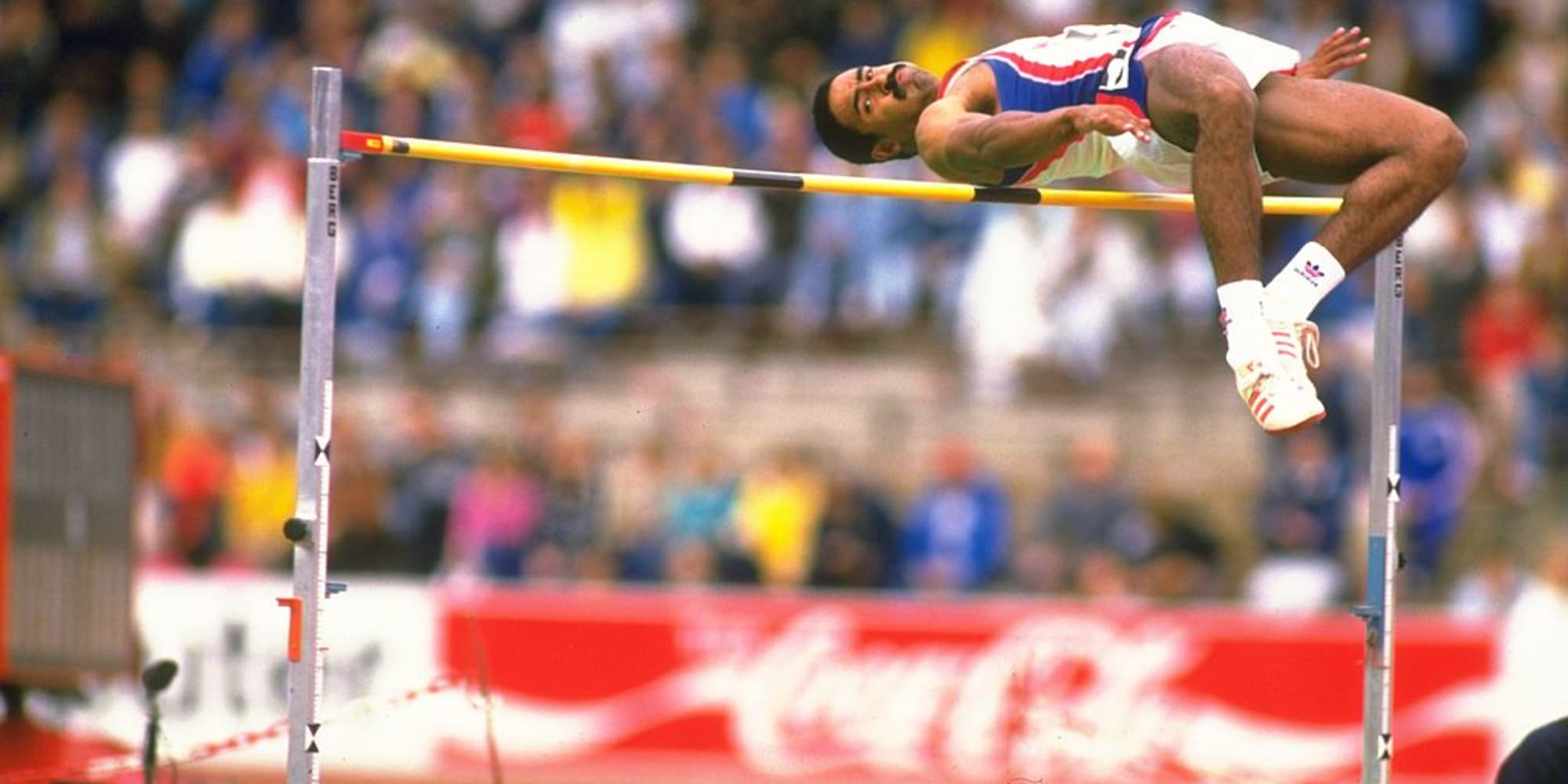
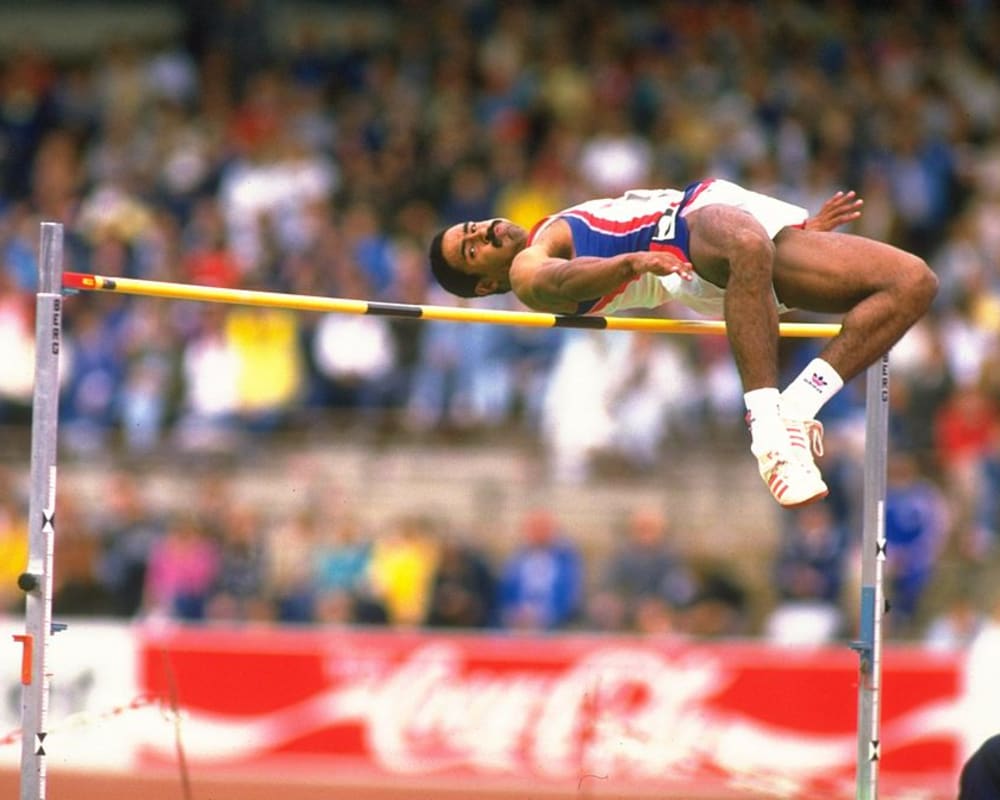

In the lead-up to the Birmingham 2026 European Athletics Championships, we look back at one of the defining performances in championship history.
40 years ago, Great Britain's Daley Thompson defended his decathlon title in Stuttgart in 1986 with a championship record that cemented his place among the sport's greatest all-round athletes.
The background
Few athletes have embodied the decathlon quite like Daley Thompson.
By the time he arrived in Stuttgart for the 1986 European Athletics Championships, the British superstar had already established himself as the undisputed king of the world's toughest event.
Olympic champion in Moscow in 1980 and Los Angeles in 1984, world champion in 1983 and European champion in Athens in 1982, Thompson had spent much of the previous decade redefining excellence in the decathlon.
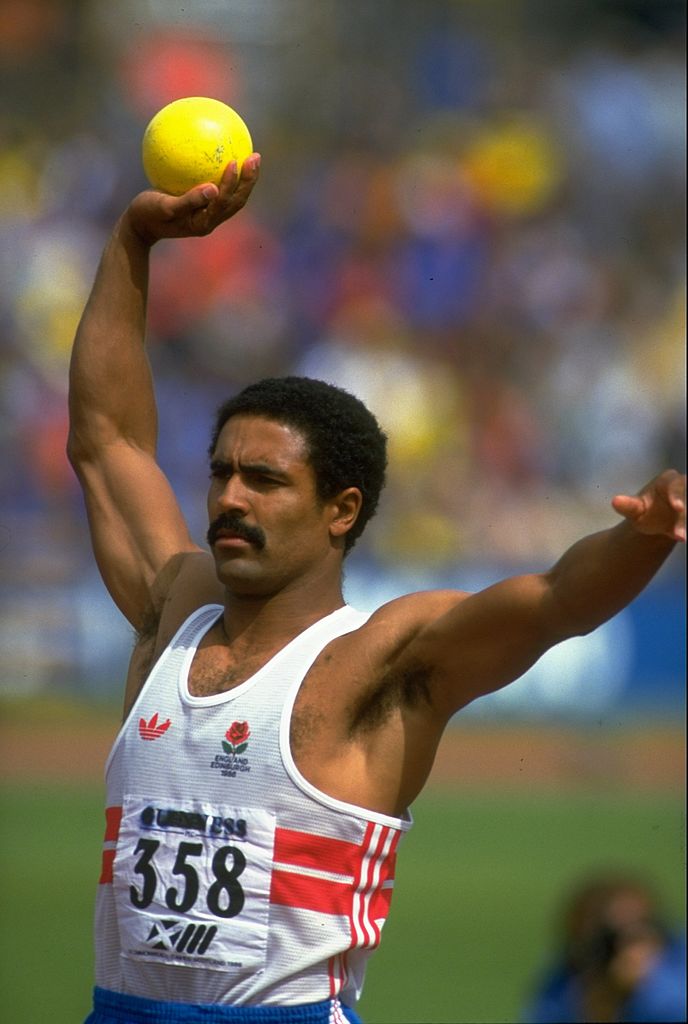
Yet Stuttgart represented far more than another opportunity to collect a gold medal.
The event had become defined by Thompson's fierce rivalry with West Germany's giant Jürgen Hingsen.
The pair had traded world records during the early 1980s, and with the championships taking place on German soil, the home favourite had thousands of supporters willing him to dethrone Britain's greatest athlete.
At 28, Thompson was no longer the young phenomenon who had burst onto the international stage a decade earlier. Injuries had become an increasingly familiar part of his career, and questions were beginning to emerge about how much longer he could remain at the summit of one of athletics' most demanding disciplines.
Standing in his way was arguably the strongest field ever assembled at a European Athletics Championships.
Hingsen had already broken the world record and remained one of only a handful of men capable of scoring beyond 8,700 points.
Alongside him was another West German, Siegfried Wentz, an Olympic bronze medallist, East Germany's Torsten Voss, who would go on to greater deeds as world champion and Olympic silver medallist and France's Christian Plaziat a future European champion, plus the cream of continental combined events.
With the home crowd behind his biggest rivals, Thompson knew he would need one of the finest performances of his career to retain his title.
What happened?
From the opening 100m, Thompson looked every inch the reigning champion.
He stormed to a blistering 10.26, one of the fastest sprints ever recorded in a championship decathlon, before backing it up with 7.72m in the long jump and a solid series across the remaining events to establish an early advantage.
But Hingsen refused to let him escape.
Roared on by the Neckarstadion crowd, the West German kept himself firmly in contention throughout the two days, producing superior marks in several technical disciplines to ensure the outcome remained uncertain heading into the closing events.
As so often throughout his career, however, Thompson found another level when it mattered most.
He cleared 5.10m in the pole vault, threw the javelin 62.78m and completed the championships with a determined 4:26.16 for the 1500m to seal victory with 8811 points. It was not only enough to defeat Hingsen's 8730 and Wentz's 8676, but also established a new championship record.
It was a performance that combined speed, power, consistency and competitive resilience—hallmarks that had defined Thompson throughout his remarkable career.
The aftermath
Victory in Stuttgart secured Thompson's second successive European decathlon title and completed an extraordinary period of dominance that saw him simultaneously hold Olympic, World, Commonwealth and European crowns.
Injuries would limit his opportunities to add further global titles - he gamely battled away at the Seoul 1988 Olympic Games, but had to settle for fourth, just 22 points short of bronze medallist Dave Steen of Canada.
So, Stuttgart proved to be the final major championship victory of one of athletics' greatest competitors.
His championship record of 8811 points still survives four decades on and his British record of 8847 set in winning gold at the Los Angeles 1984 Olympic Games is still the British record.
Stuttgart was more than another gold medal. It was the moment Daley Thompson silenced a partisan home crowd, defeated world-class rivals on their own soil and reaffirmed why, for much of the 1980s, there was no greater all-round athlete in the world.