



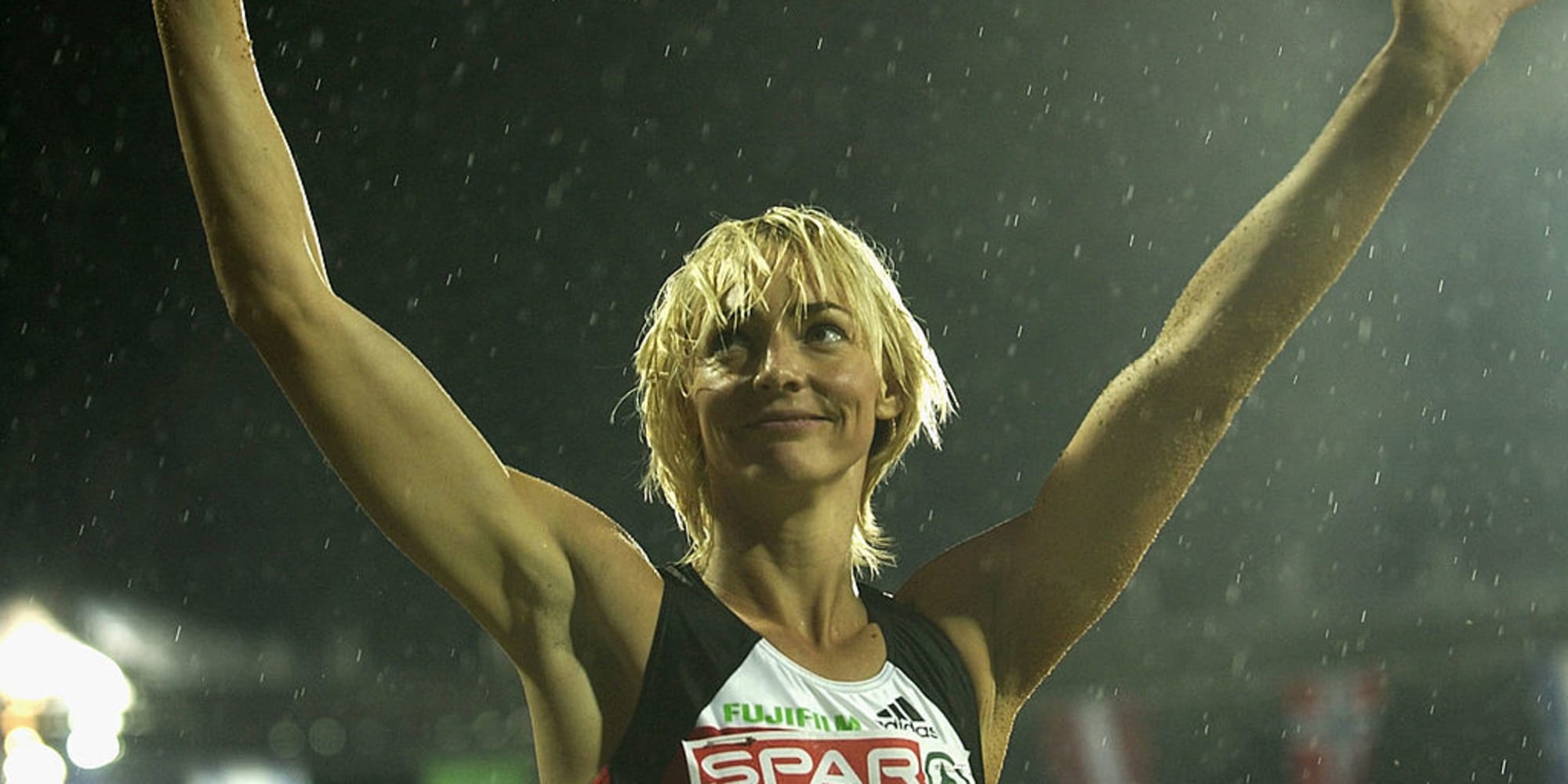
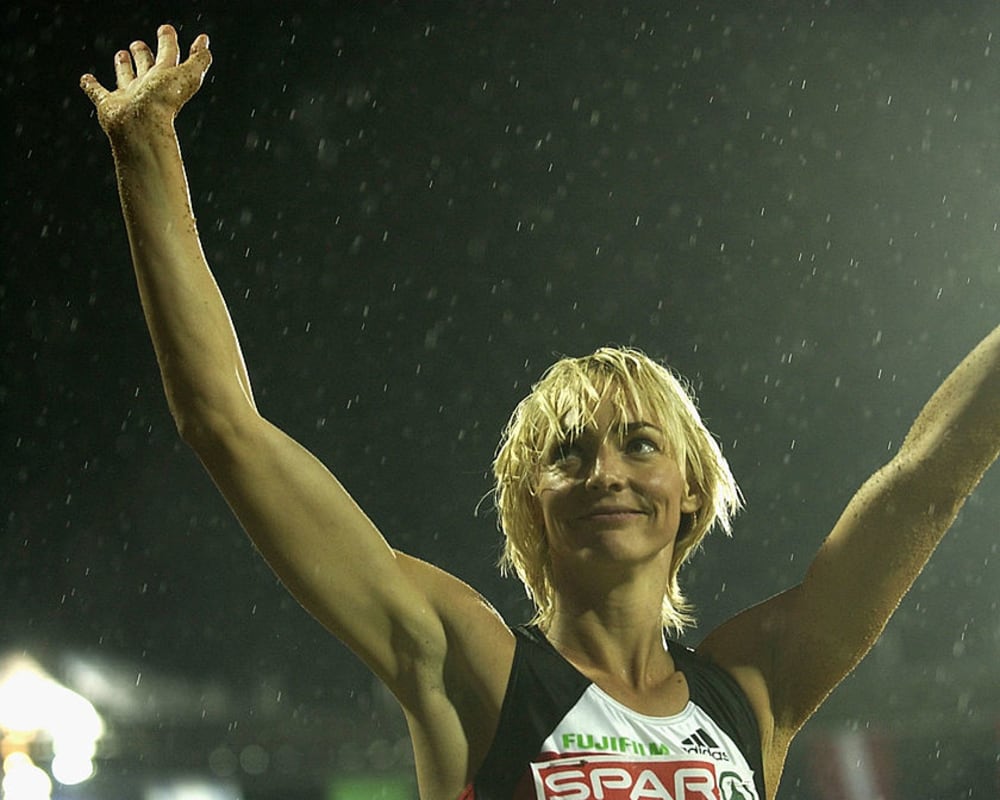

In the lead-up to the Birmingham 2026 European Athletics Championships, we look back at one of the most remarkable achievements in championship history – Heike Drechsler becoming the first long jumper to win four consecutive European outdoor titles in Budapest in 1998.
The background
Few athletes have dominated an event across generations quite like Heike Drechsler.
By the time she arrived in Budapest for the 1998 European Athletics Championships, the German legend had already enjoyed one of the sport's most extraordinary careers.
She had burst onto the international stage as a teenager representing East Germany, won world and Olympic titles, broken world records and remained among the world's elite through the political and sporting upheaval of German reunification.
Her first European long jump title had come in Stuttgart in 1986. Four years later, she defended her crown in Split before making it three in a row in Helsinki in 1994. No woman had ever won four successive European outdoor long jump titles.
Yet Budapest was far from a coronation.
The years following Helsinki had been among the most challenging of Drechsler's career. She had been forced to miss the Atlanta 1996 Olympic Games with a knee injury, and Achilles tendon surgery then sidelined her for much of 1997.
For many observers, the best years of the then 33-year-old appeared to be behind her.
But champions rarely accept such conclusions.
Gradually, Drechsler rebuilt both her fitness and confidence throughout the 1998 season. She was once again jumping beyond seven metres and proving she remained one of the world's finest long jumpers.
Waiting for her in Budapest was one of the strongest European fields assembled in years.
Defending world champion Lyudmila Galkina of Russia, Olympic silver medallist and 1995 world champion Fiona May of Italy, and a talented generation of emerging jumpers ensured there would be no room for error.
History was within touching distance—but only if Drechsler could revive her knack for delivering on the biggest stage in the latter stages of her remarkable career.
What happened?
Drechsler wasted little time reminding everyone why she had ruled European long jumping for more than a decade.
In the second round, she launched herself out to 7.16m, immediately taking control of the competition. Remarkably, she equalled the distance with her next leap.
The contest, however, was far from over.
Fiona May responded magnificently. The Italian improved throughout the competition before producing a national record of 7.11m in the fourth round, moving within five centimetres of Drechsler and piling pressure on the defending champion.
Behind them, Galkina also broke the seven-metre barrier with 7.06m.
Neither could match Drechsler, whose 7.16m proved to be the best jump of the competition and the longest mark she would produce all season.
With three of the world's finest long jumpers all surpassing seven metres, it was one of the highest-quality European long jump finals in championship history.
When the final round concluded, the German raised her arms in celebration. At 33 years of age, after battling injuries that had threatened to derail her career, she had secured an unprecedented fourth consecutive European outdoor long jump title.
The aftermath
Her victory in Budapest placed her alongside the greatest serial winners in championship history and reaffirmed her reputation as one of athletics' finest competitors.
The triumph also proved that Budapest was far from the end of Drechsler's story.
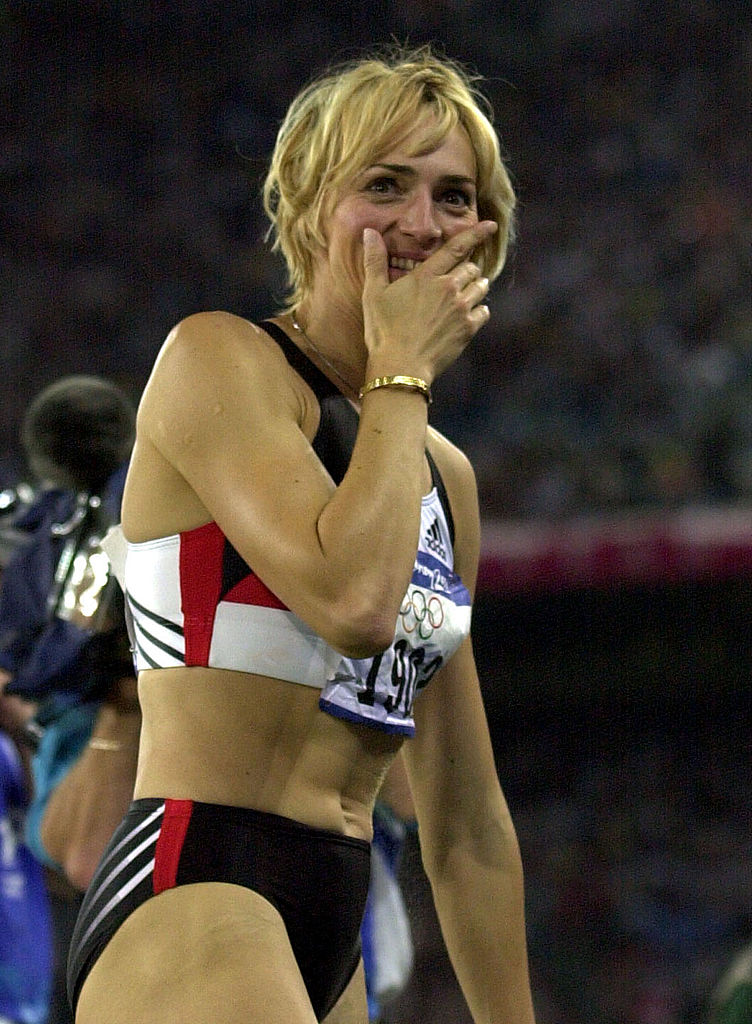
Two years later, at the Sydney Olympic Games, she completed one of athletics' greatest comebacks by winning a second Olympic long jump gold medal, eight years after her first.
Budapest had been more than another championship victory. It was the moment a legend demonstrated that resilience could be every bit as powerful as talent, and that greatness is measured not only by how often you win, but by how often you find a way back.