



Elzbieta Glinka almost didn't go.
A friend had been encouraging her to join a local running session in Warsaw, but she kept finding reasons not to.
She wasn't fast enough. She wasn't experienced enough. After all, everyone there is fast and experienced. The list went on.
Eventually, she went anyway.
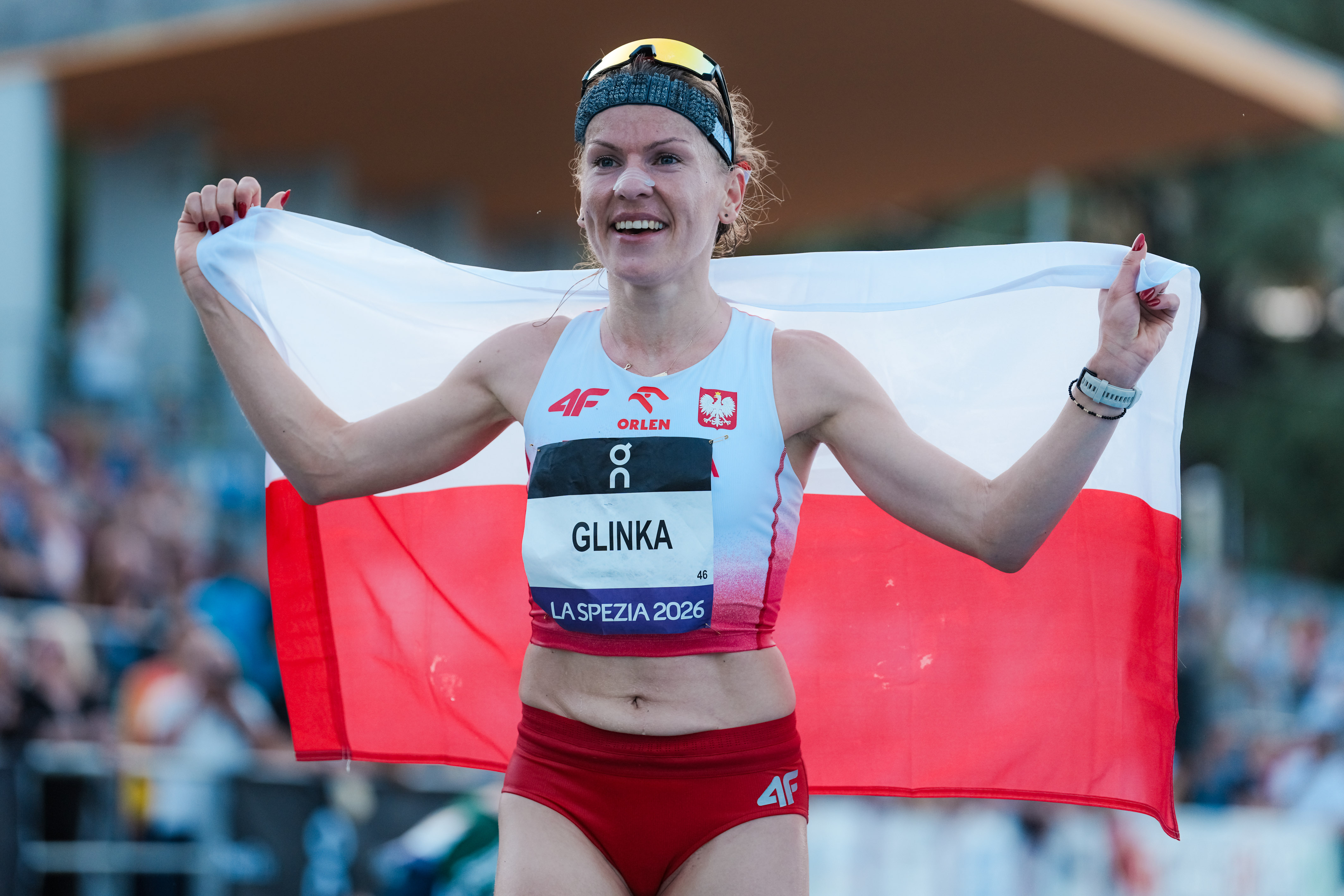
Today, Glinka is one of Poland's leading distance runners. She has represented her country at the inaugural European Running Championships, broken national records and established herself among Europe's emerging endurance talents by winning gold at the European 10,000m Cup in La Spezia in May.
In fact, this interview is taking place just hours after she added the Polish 5km title in Warsaw.
But before the international vests and championship start lines, she was simply someone trying to fit running around work, everyday responsibilities and the pressures of adult life. She ran because it made her feel better, she enjoyed it, and, like millions of people across Europe, she discovered that putting one foot in front of the other had a way of making the world feel a little more manageable.
"I did it primarily for myself," she says. "It was a way to take care of my health, relieve work-related stress and spend time actively.
"At that point, I wasn't thinking about elite sport and I wasn't focused on results. I ran simply because I really liked it."
In many ways, that's exactly where the story of Europe's running boom begins.
More than miles
Sport had always been part of Glinka's life.
"As a child, I showed talent and enjoyed competing in many sports," she says. "But I grew up in a place where there were no athletics clubs or opportunities for professional training."
And so life moved on. There was work, adult responsibilities – the demands that gradually squeeze themselves into people's schedules.
Running became something personal rather than competitive. There was no long-term ambition attached to it, but somewhere between stress relief and weekend races, something began to change.
"It was more of a process than one specific moment," she says.
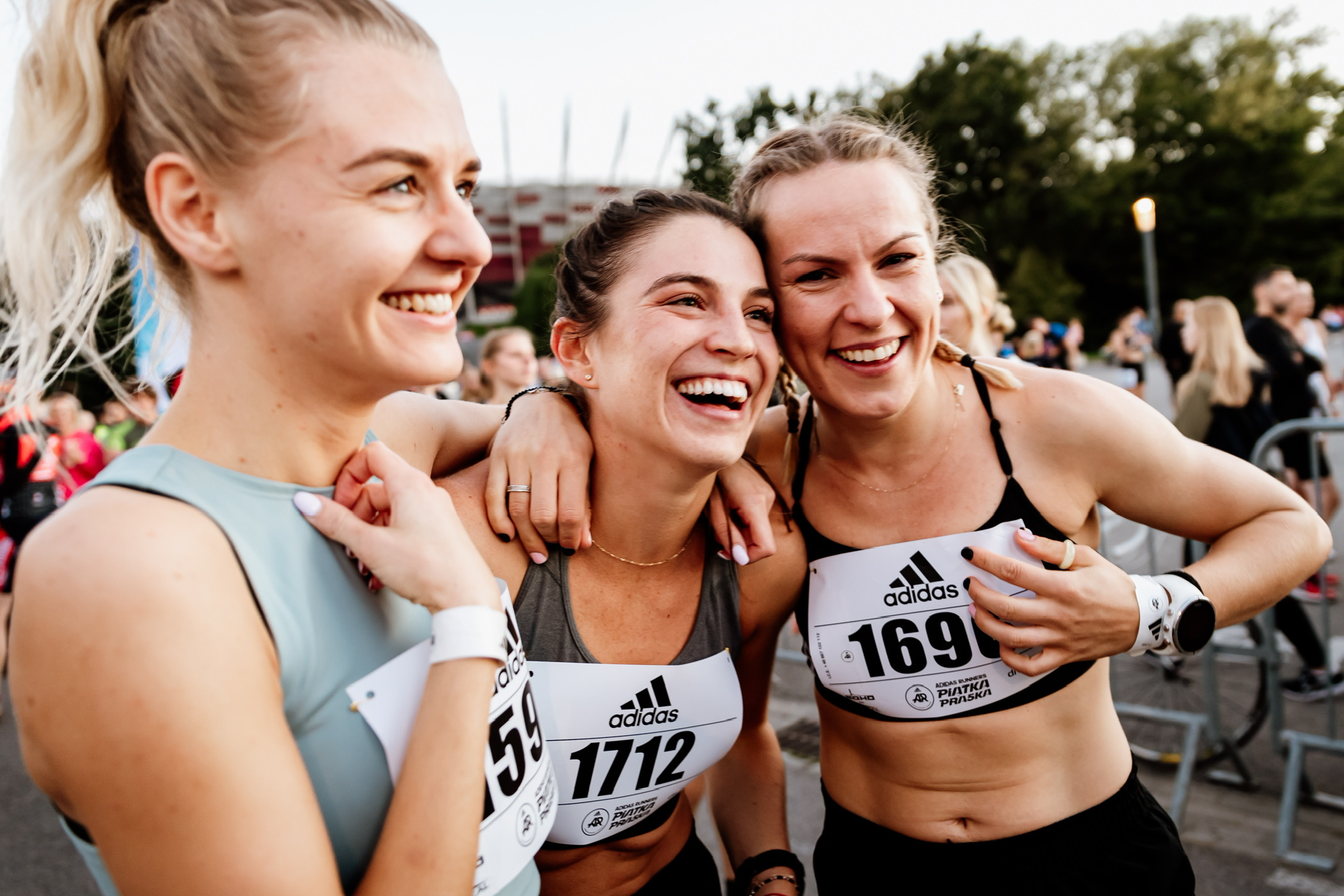
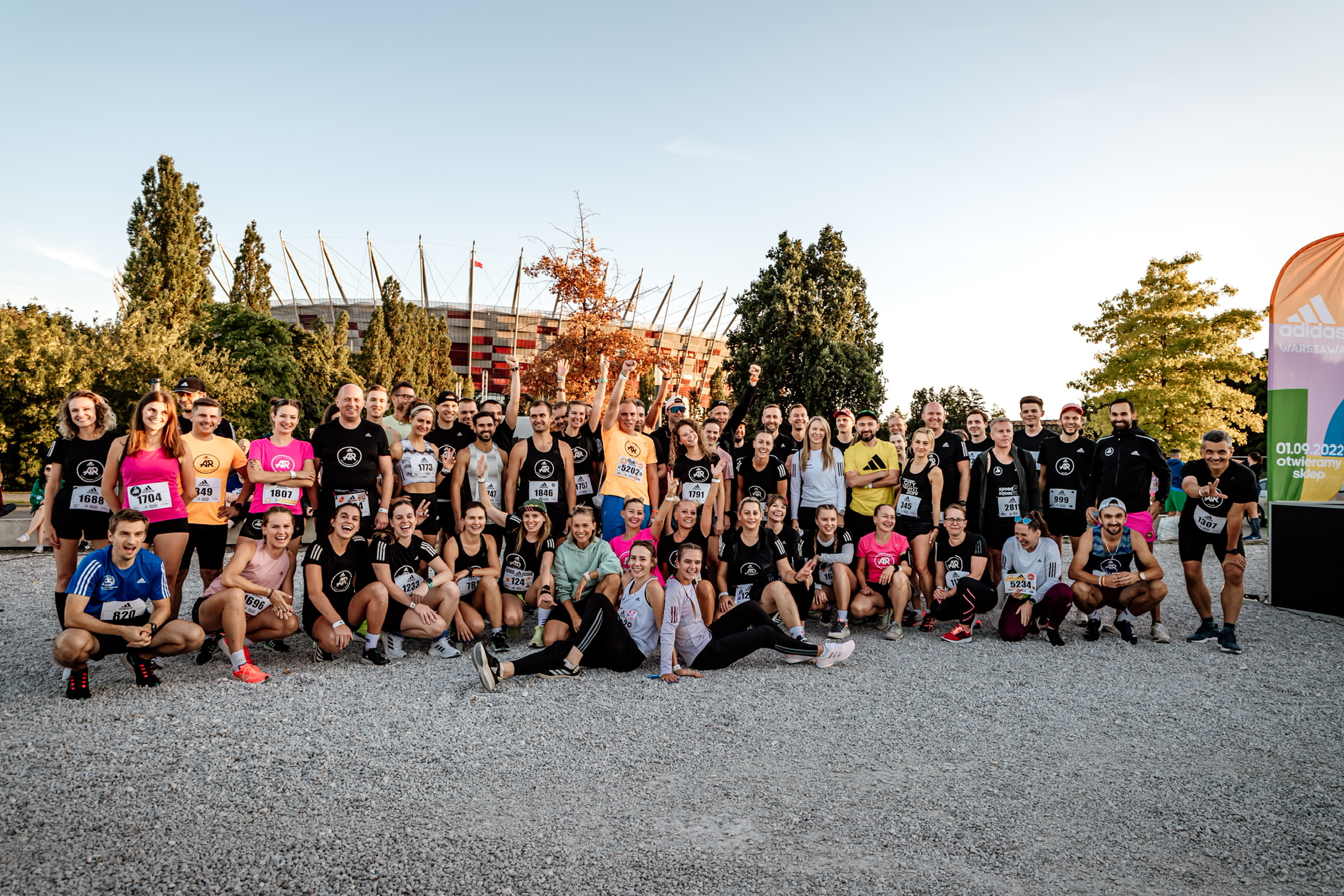
Glinka was improving steadily. More importantly, she had found people who understood the strange appeal of choosing to wake up early for long runs or spend evenings discussing race plans and shoe choices.
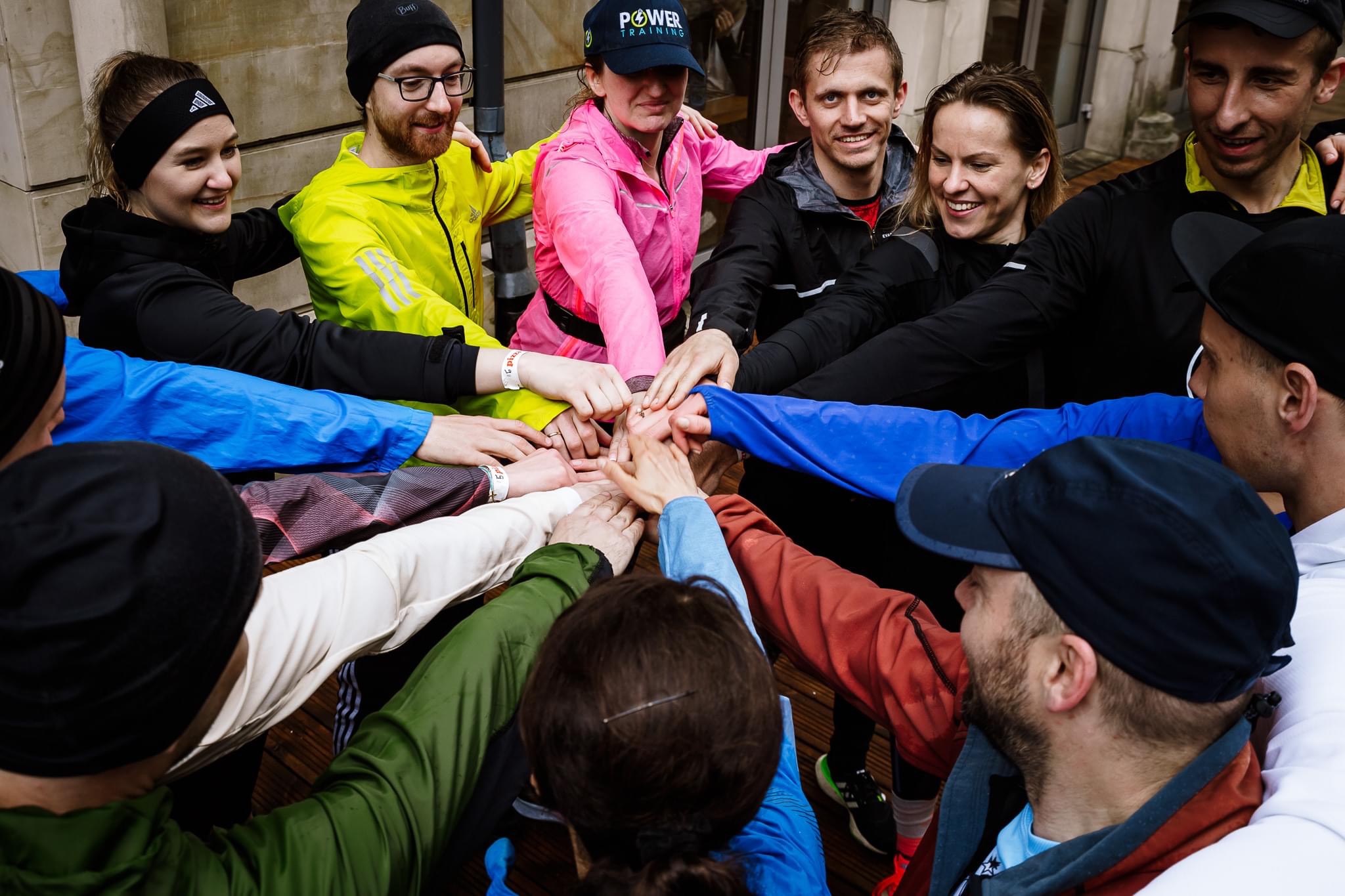
In running, she had found a community.
"It gave me motivation and inspiration," she says. "Through the Warsaw running group community, I met many amazing people who shared the same passion and supported each other."
It also introduced her to a different way of approaching the sport.
"It was actually thanks to the community that I first came into contact with more structured, conscious training," she says.
Then came another life-changing encounter.
"It was there that I met my coach."
The long road behind the 'overnight success'
From the outside, Glinka's rise seems remarkably swift.
A recreational runner progressing from a 1:33 half marathon to international competition within a relatively short period inevitably attracts attention.
But she laughs slightly at the suggestion.
"I know it may sound strange, but I don't feel that this period was short," she says, "because I also know how much work has been done along the way."
People see the performances, finishing times, rankings and championship appearances. What they don't always see is everything beneath the surface.
"The commitment behind the process," she says. "The training sessions, the many sacrifices, and the daily decisions made over the years."
For much of that period, elite training existed alongside a demanding full-time job and everyday life.
"Results are just the tip of the iceberg," she says.
"It also includes managing recovery, making sacrifices, dealing with doubts, financial limitations and difficult moments such as injuries."
It's a reminder that even among elite athletes, the path is rarely straightforward.
"I think these challenges can really only be fully understood by someone who has gone through a similar sporting journey themselves."
Perhaps that's why her story resonates so strongly beyond the elite end of the sport.
Many runners understand exactly what it means to fit training around work, family and responsibilities. The scale might differ, but the balancing act often doesn't.
Leuven and believing
There was no dramatic revelation that changed everything. Instead, belief arrived gradually. Then one performance brought a subtle internal shift.
"I think the turning point came when I achieved the qualifying standard for the European Running Championships in Leuven," she says.
Glinka ran 32:41, dipping under the required standard of 32:45.
"After that race, I truly started to believe that I could compete at a high level," she says.
"That performance gave me a huge boost of confidence and motivation.
"It also allowed me to fulfil a childhood dream – representing my country at a major championship."
The inaugural European Running Championships in Brussels-Leuven carried particular significance.
For the first time, mass participants shared the event experience alongside elite athletes in an official European Athletics championship setting.
Glinka has been on both sides of the sport, and for her, the weekend represented both a personal milestone and a glimpse of what the future of running could look like.
"It was a very special moment," she says.
"I felt proud, happy and honoured to be there representing Poland."
The experience exceeded expectations.
"It was also a confirmation that I'm on the right path and that consistent work is worth it," she says.
"Despite my limited experience, I finished as the best Polish athlete."
But beyond her own performance, it was the atmosphere surrounding the event that left an impression.
Closing the gap
"Events like this make athletics and elite sport feel more open and accessible," Glinka says.
"It shows that the gap between amateur and elite athletes is not as big as many people think."
For recreational runners, championships can sometimes feel distant – something observed through television broadcasts rather than experienced first-hand.
The European Running Championships challenged that separation.
"For many people, it is the first time they can see up close what a championship-level event looks like, while also experiencing it themselves," she says.
"It creates a lot of energy and emotion. Running in the same race as your idols can also be a powerful source of motivation."
The format reflects broader shifts taking place across European running. What was once often viewed as an individual pursuit has become increasingly social.
Local communities flourish through clubs, city races, parkruns and informal groups. Running holidays, shared training sessions and post-run coffees have become part of the experience.
"It has become much more social," says Glinka. "There are a lot of running groups, events and running trips.
"It's no longer just an individual sport, but also a way to meet people and spend time together."
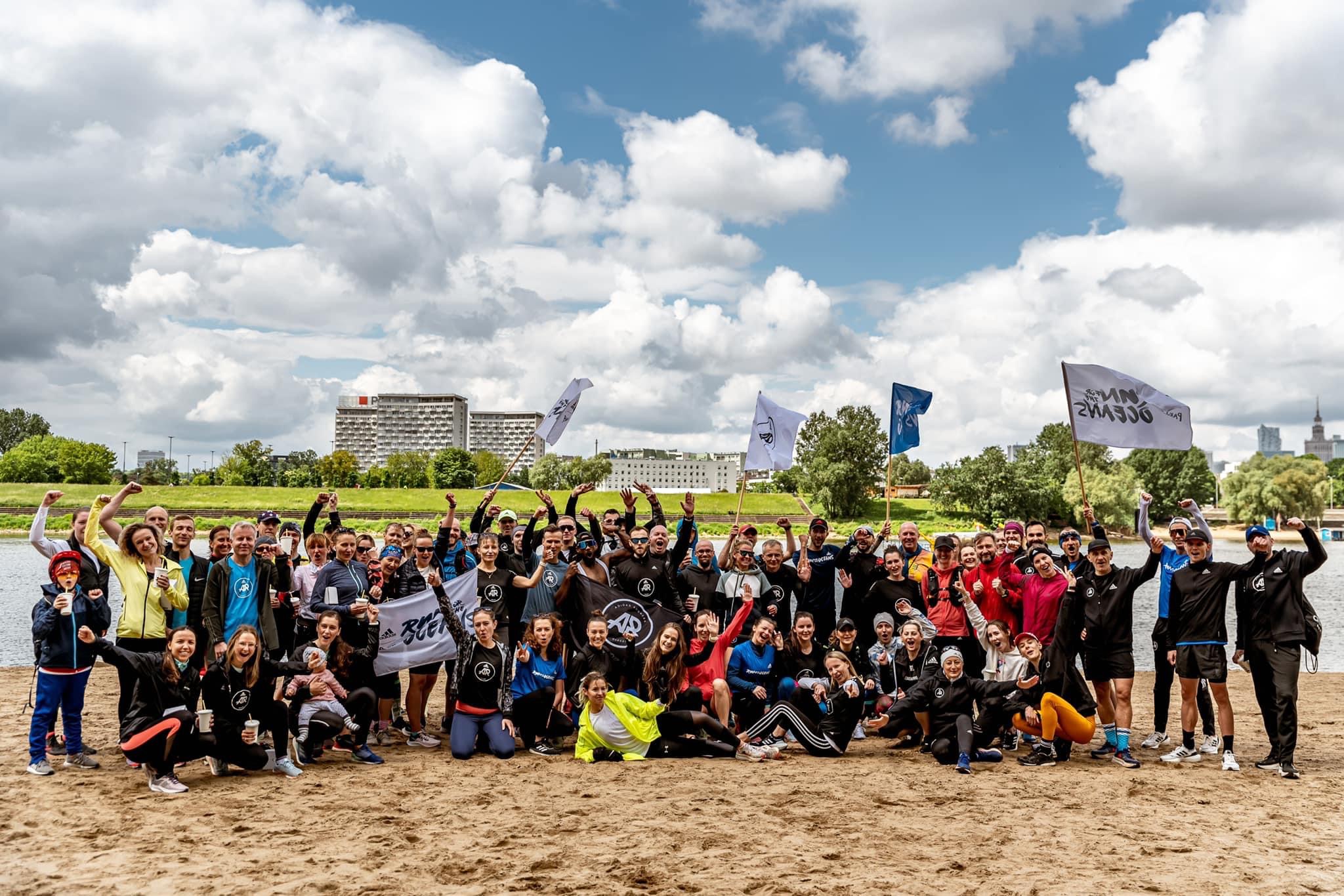
You belong
Ask Glinka what advice she would give to someone hesitant about taking their first steps into the sport, and she immediately returns to the memory of standing on the outside looking in.
"The running community is much more open than many people think," she says.
She remembers the excuses. Whether it was uncertainty or the feeling that everyone else knew what they were doing.
"The truth is, everyone starts somewhere," she says.
"You don't need to run certain times or meet any specific standards."
Then comes the sentence that perhaps captures the entire spirit of this issue.
"If you go out for a run, you are a runner. It really is that simple.
"Running communities can be the beginning of something really special," she says – and she knows what she’s talking about.
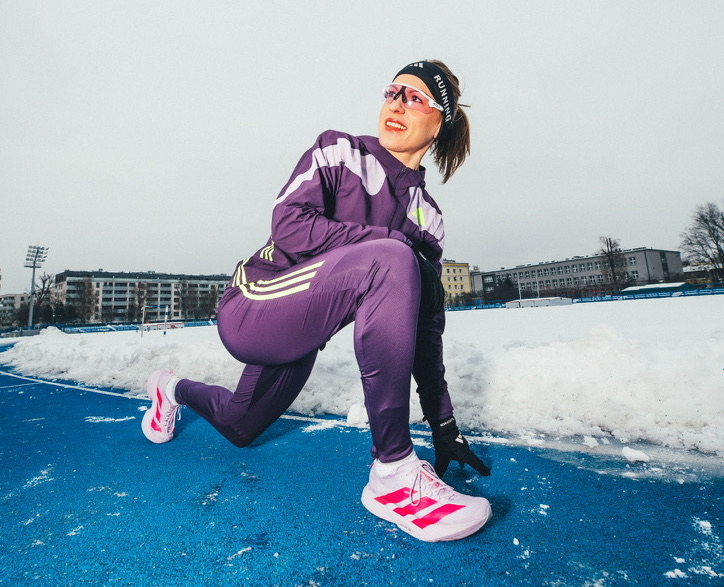
Passion first
For Glinka, running has changed since becoming part of her profession.
"There is more responsibility and pressure," she says. "And also more stress around health and staying injury-free."
But she works hard to preserve what drew her to the sport in the first place.
"I try to keep reminding myself why I started running – for the joy of it," she says.
When asked what she would say to the version of herself lining up at those early recreational races, her answer is beautifully uncomplicated.
"Keep going," she says.
"Step by step, and enjoy the journey. And in a way, that's exactly how it was."
When she thinks about the next generation of runners across Europe, Glinka doesn't talk about medals or records.
Instead, she hopes they discover running as she did: as a source of joy, confidence and connection.
"I hope they feel that they can start without pressure or comparisons, simply for themselves," she says.
"And that over time it naturally becomes something more, whether it’s better health, confidence, new relationships, new adventures or new goals."
Sometimes, all it takes to change the direction of your life is saying yes to that first run you nearly didn't attend.
And perhaps that's the enduring appeal of running itself.
You don't have to feel like a runner before you begin.
Sometimes, belonging comes first.
The rest can follow.
This interview is from the June/July 2026 edition of Inside Track, European Athletics' monthly newsletter on the biggest issues in the sport today. You can receive Inside Track and other European Athletics news direct to your inbox by registering with European Athletics.