



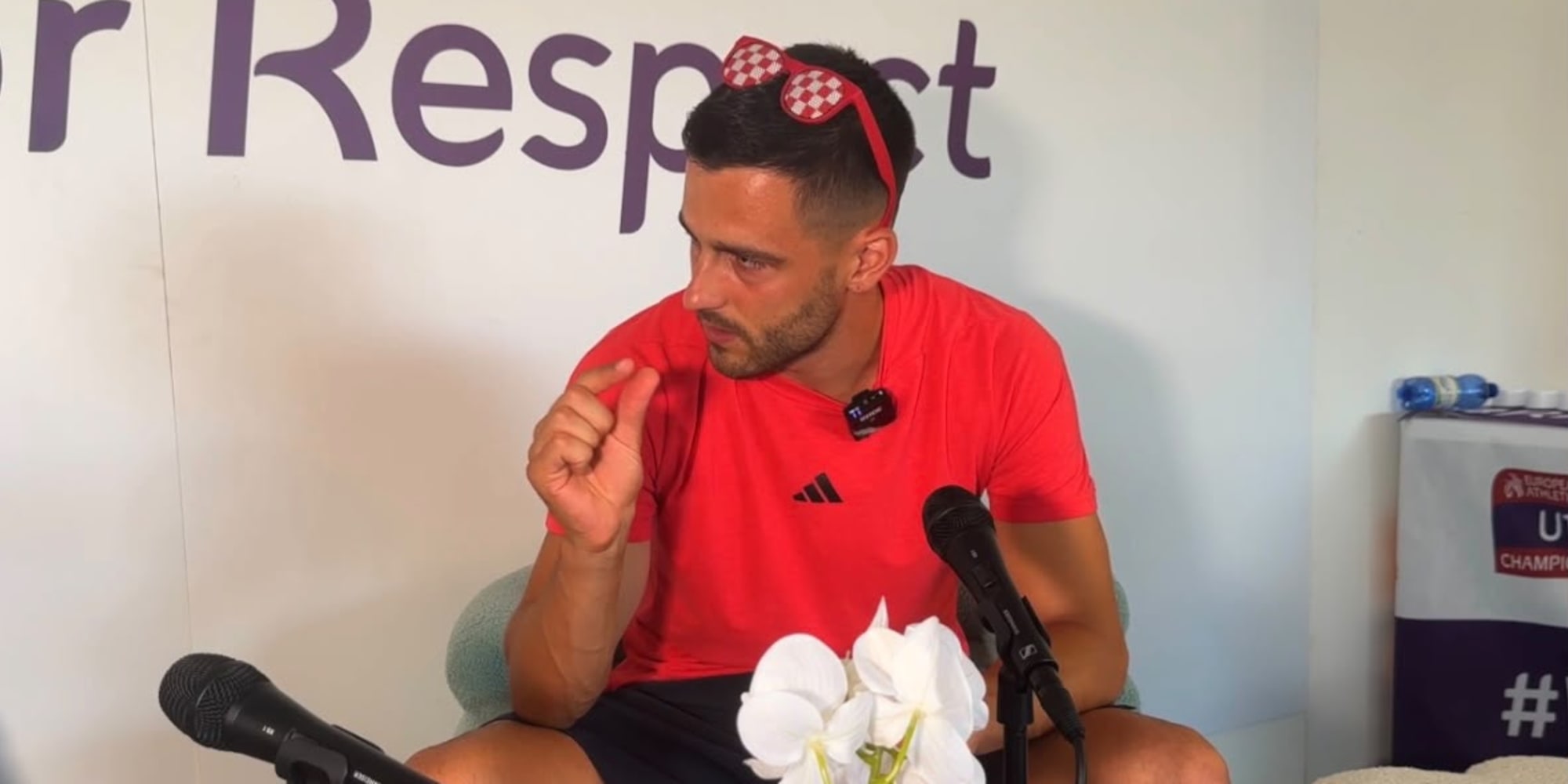
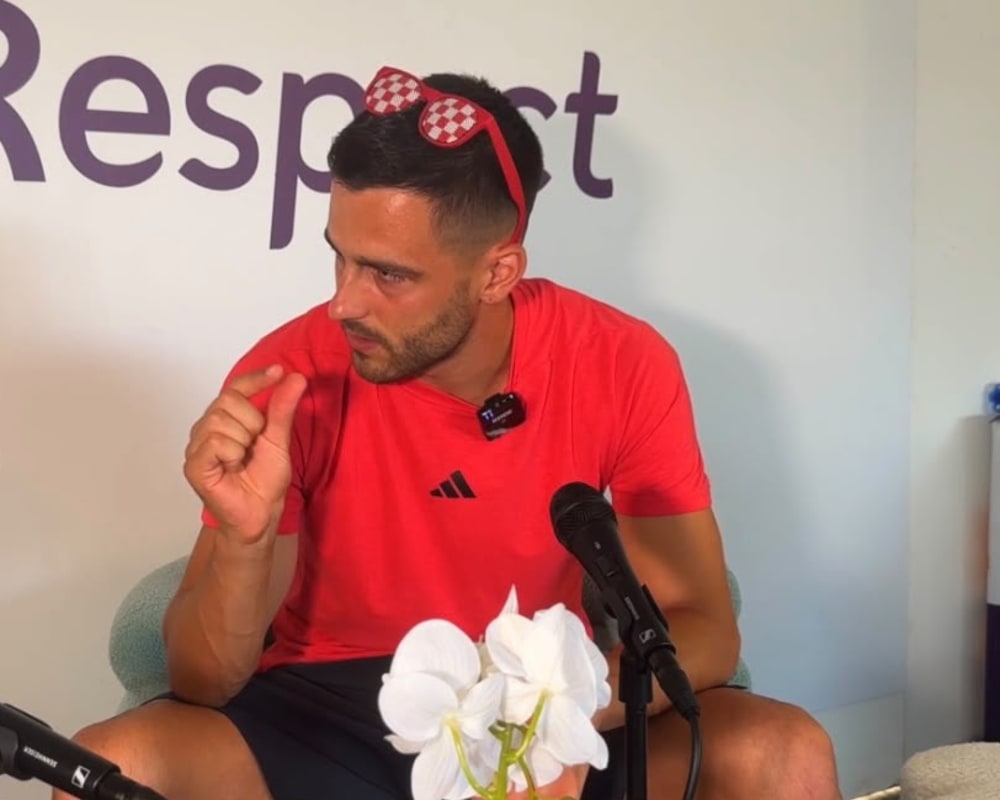

Filip Pravdica knows exactly what it takes to compete at the highest level.
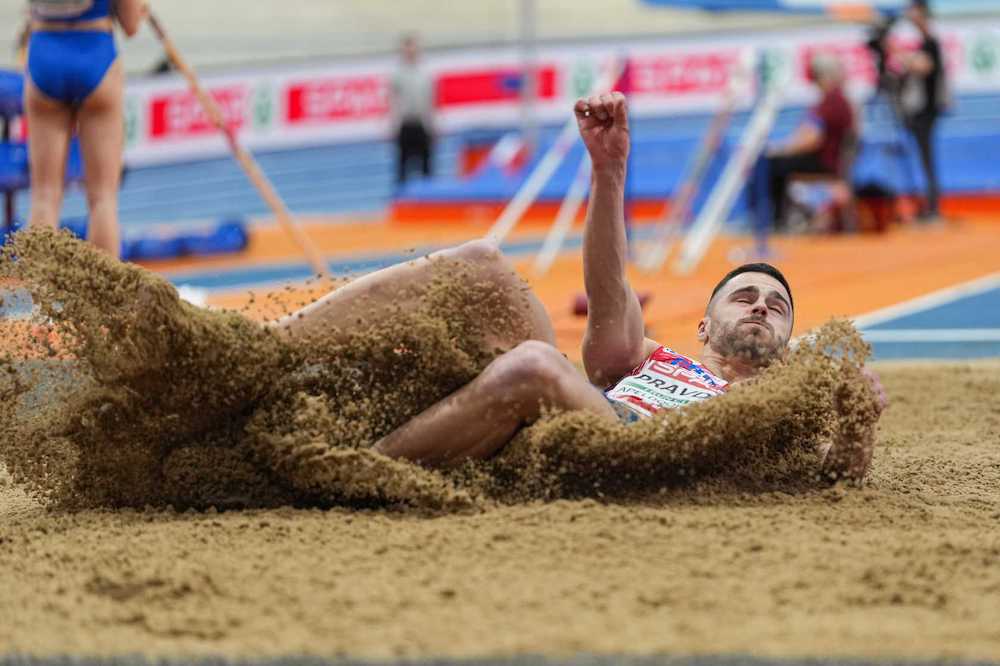
The Croatian long jumper has represented his country at two World Athletics Championships and reached the Olympic final in Paris 2024, where he qualified fifth with a jump of 8.04m before finishing ninth among the world's best.
His personal best of 8.35m places him firmly among Europe's leading horizontal jumpers.
But when Pravdica arrived at the Rieti 2026 European Athletics U18 Championships, he wasn't there to compete.
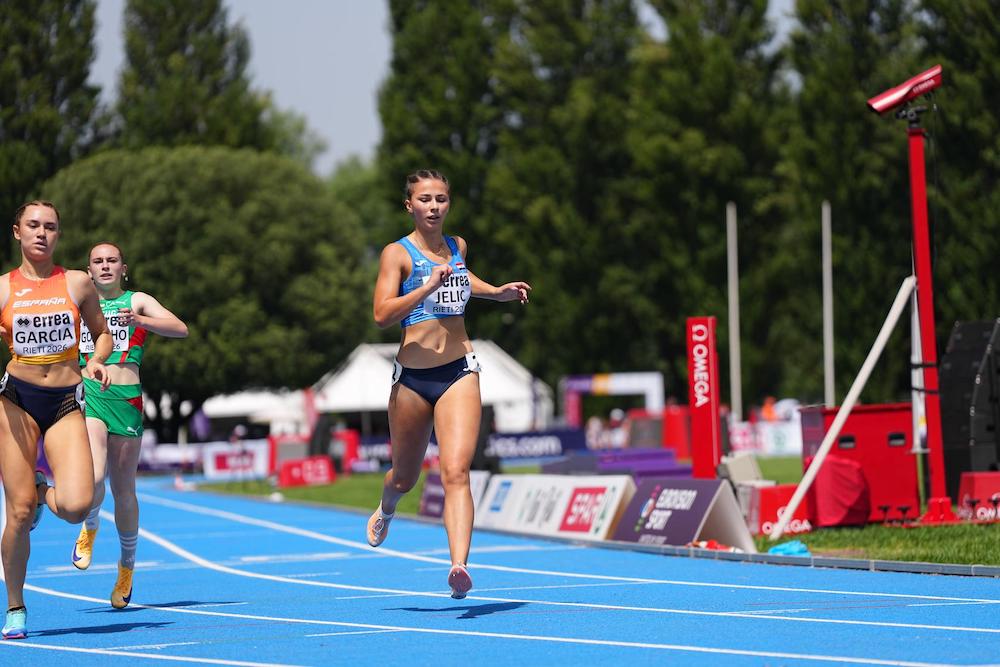
Instead, he was supporting the next generation as a coach with the Croatian team, guiding 200m sprinter Lara Jelić and long jumper Bella Steiner through one of the biggest competitions of their young careers.
Seeing athletics from both perspectives has given him a unique understanding of what young athletes really need to thrive.
His answer has little to do with medals.
"They'll remember the friendships," he says of an event which has placed safeguarding, wellbeing, integrity and inclusion at its core.
Launched at the Roma 2024 European Athletics Championships, the Race for Respect programme has moved this important area front and centre at European Athletics events.
Through dedicated safeguarding officers, Safe Spaces, education initiatives and, most recently, the Athlete Zone at the Rieti 2026 European Athletics U18 Championships, the programme aims to ensure every athlete feels safe, respected and valued throughout their championship experience.
For Pravdica, creating that environment begins long before athletes arrive at a major event.
The memories that matter
"When I look back on my career, it was never really about the result," he says.
"The things I remember most are the friendships and the team around me."
Those relationships became even more important after he underwent major hip surgery on both sides, first in 2015 and again in 2018.
"The only thing that really brought me back was the community around me," he recalls.
Now coaching alongside his own elite career, he has made that sense of belonging the cornerstone of his philosophy.
"The biggest thing I try to create is friendship, respect and unity. Those relationships stay with you long after athletics finishes. You might stop competing, but the people you meet become lifelong friends."
One of those friendships even led to him becoming his teammate's best man.
"Track connected us," he smiles. "Athletics connected us."
Enjoy the experience
Pravdica admits that, as a teenager, he often focused too much on performance.
"I always wanted more. I never really enjoyed the moment."
His own career taught him patience. Although some athletes jump beyond eight metres while still teenagers, it took Pravdica 15 years before he reached that milestone.
"My career is proof that patience matters," he says. "The glue that held everything together was patience and the friends who were there."
That experience shapes the advice he now gives to his own athletes.
"I tell them to collect experiences. Enjoy being here. Be yourself. The results will come."
It also shapes the expectations he places on Lara Jelić and Bella Steiner, both of whom gained invaluable championship experience in Rieti despite performances that did not fully reflect their potential.
"They have much more ability than they showed here," he says. "But that's okay. The senior level is what really matters. We shouldn't be pushing results too hard at U18 or U20 level."
Respect begins with yourself
Race for Respect encourages everyone involved in athletics to help create environments where people feel safe and included. For Pravdica, that starts with self-respect.
"You first have to respect yourself before you can truly respect other people."
That means respecting the work you put into training, competing fairly and valuing the effort behind every performance.
"If you respect your own hard work through fair play and doing things the right way, then empathy grows naturally. From there, respect for other people follows."
He believes culture is built through countless small moments rather than grand gestures.
"It's the little things," he says.
"Kind words. Saying thank you. Everyday courtesies. When people hear those things every day, they feel safe. They feel respected."
Switching off
One challenge today's athletes face that previous generations never encountered is constant exposure to social media.
"The first thing I'd like to limit is exposure," Pravdica says.
"They're connected from the moment they wake up until they go to sleep."
On training camps, he has introduced an unusual solution.
With permission from parents, athletes hand over their phones before key sessions.
"At first they hated it," he laughs. "Now they bring them to me themselves."
Without constant scrolling, athletes spend more time talking, laughing and supporting one another.
"Social media only shows perfection," he says.
"But when you actually talk to people, you realise everyone has struggles. That's reality."
A place to belong
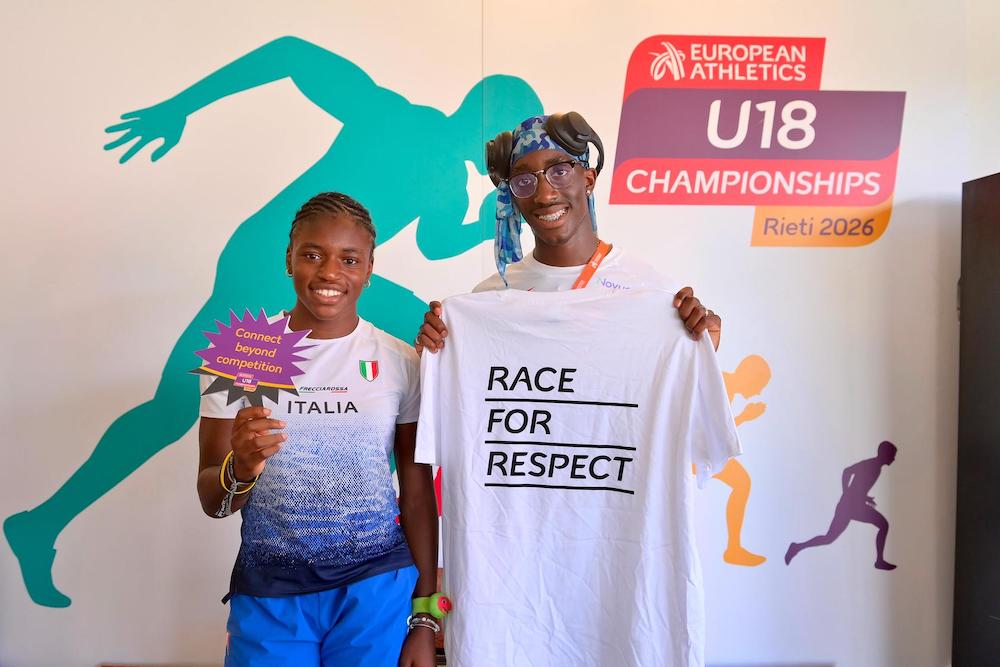
That same philosophy was evident throughout the Athlete Zone in Rieti.
Developed as part of Race for Respect, the space gave athletes somewhere to relax, make friends and take part in interactive activities focused on safeguarding, wellbeing, ethical behaviour, digital responsibility and respect.
For Pravdica, it quickly became one of the highlights of the championships.
"Our team loved it," he says.
"They came here to socialise, meet athletes from different countries and just enjoy being together. It's a really positive environment.
"It's something every championship should have."
Looking beyond results
Pravdica has also seen how quickly success can become pressure.
He points to the wider challenge facing many gifted young athletes, who can suddenly find themselves dealing with expectations from media, sponsors and the public before they are emotionally ready.
"Don't push young athletes to become stars too early," he says.
Instead, he encourages coaches and support teams to focus on progress rather than perfection.
Wellbeing is discussed almost every day within his own training group. Athletes are encouraged to recognise small improvements, celebrate each step forward and identify three positives before focusing on one area for improvement.
"That positive mindset protects confidence," he explains.
Building something bigger
For Pravdica, creating safe environments begins with the foundations every club should provide.
"Healthy habits. Healthy lifestyles. Good social values," he says.
"If those foundations are right, athletes know they can always talk to someone. They know they can be themselves."
It’s a philosophy that closely mirrors the ambitions of Race for Respect. Because while championships will always be remembered for records and medals, the real legacy lies elsewhere.
Asked what young athletes should take home from Rieti if they leave without a medal, Pravdica doesn't hesitate.
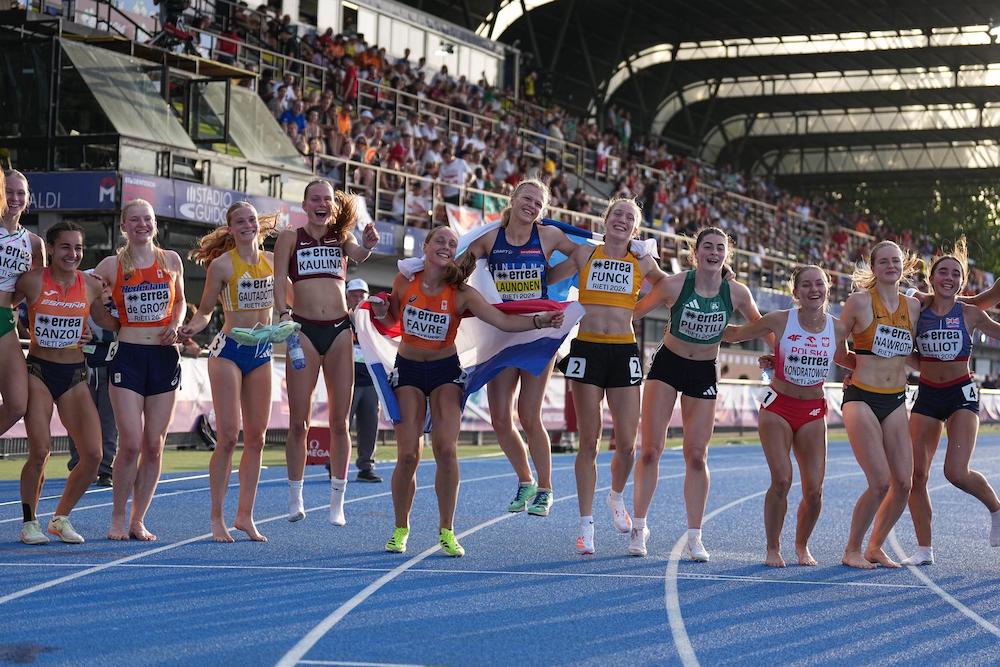
"The atmosphere," he says.
"The team stands. Everyone cheering each other on. Spending time together afterwards."
Those are the memories that last, and they are exactly the kind of experiences Race for Respect exists to create.