



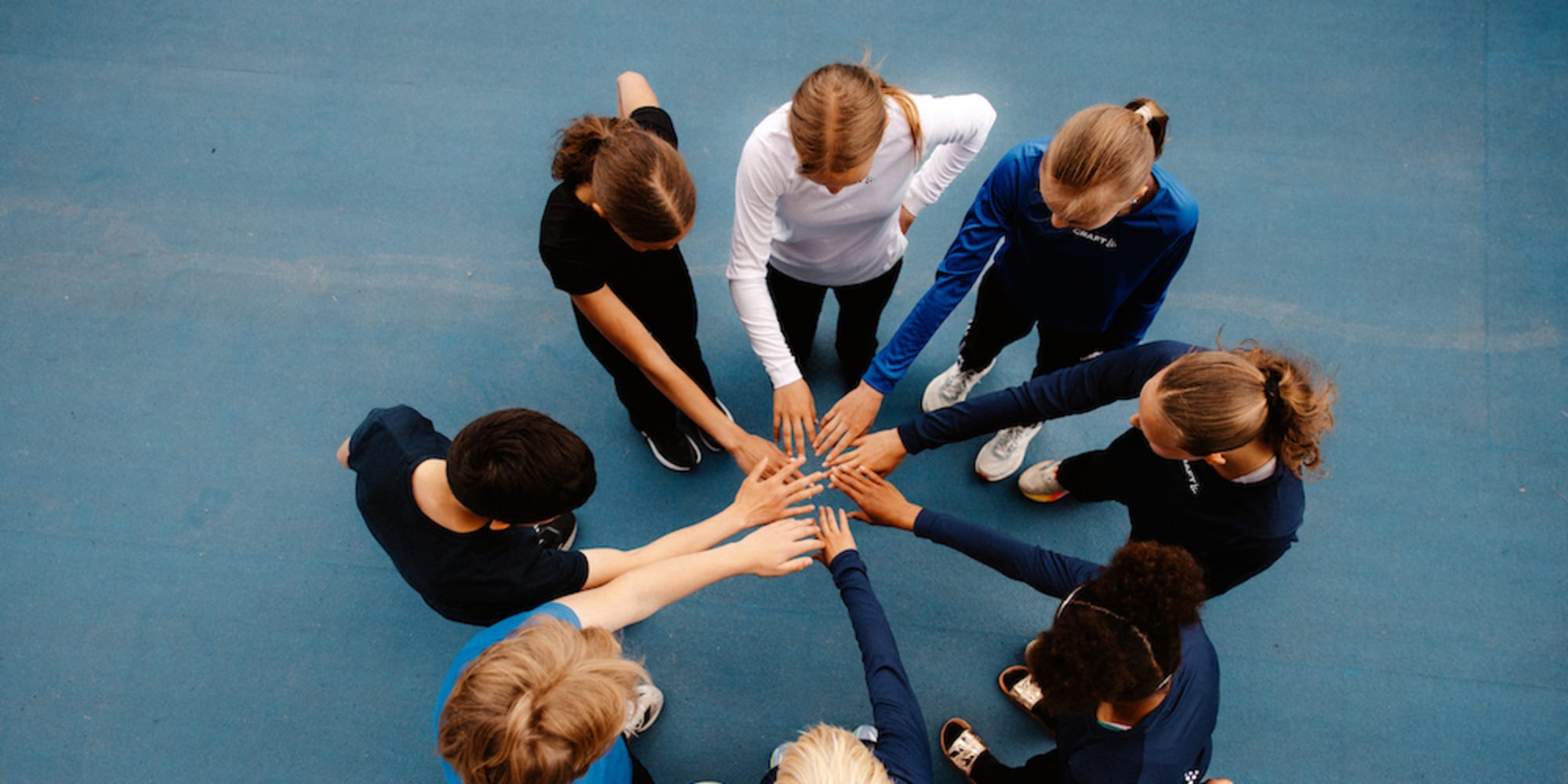

While Race for Respect has become a defining feature of European Athletics championships through dedicated safeguarding officers, Safe Spaces and education initiatives, its wider ambition extends far beyond the competition arena.
The programme is about creating environments where every individual feels safe, valued and able to thrive – wherever athletics takes place.
One initiative bringing those principles to life is the Finnish Athletics Federation's TALO project.
Standing for Athletics House for Everyone, TALO is demonstrating how athletics clubs can become genuine community hubs, helping children, young people and families from migrant backgrounds build confidence, friendships and a sense of belonging through sport. In doing so, it offers a powerful example of how the values behind Race for Respect can be embedded into grassroots athletics.
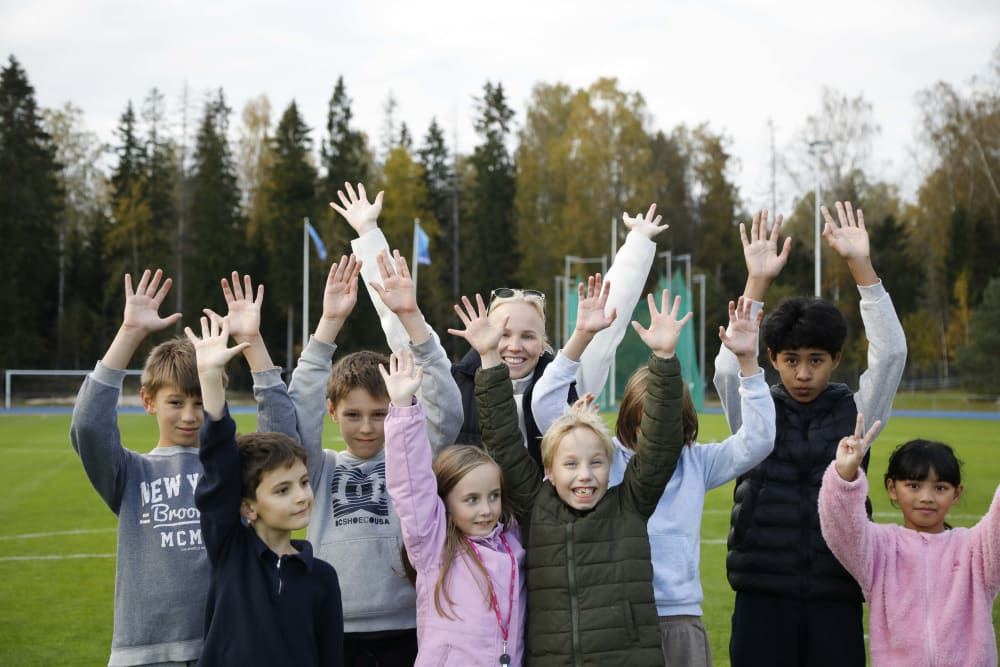
A place where everyone belongs
Co-funded by the European Union, the three-year project is being piloted across six Finnish cities – Helsinki, Espoo, Jyväskylä, Lappeenranta, Turku and Vantaa – with the ambition to remove barriers that prevent people from taking part in athletics.
Rather than expecting communities to adapt to existing structures, TALO has focused on making clubs more accessible, welcoming and responsive to the needs of increasingly diverse local populations.
That means creating low-threshold opportunities to participate, developing partnerships with local organisations, training coaches and volunteers to work confidently in multicultural environments and helping clubs become places where every participant feels respected from the moment they arrive.
It’s an approach that naturally aligns with the broader objectives of European Athletics' Athletics for All philosophy, demonstrating that participation, opportunity and inclusion are not separate ambitions from sporting excellence, but essential foundations for it.
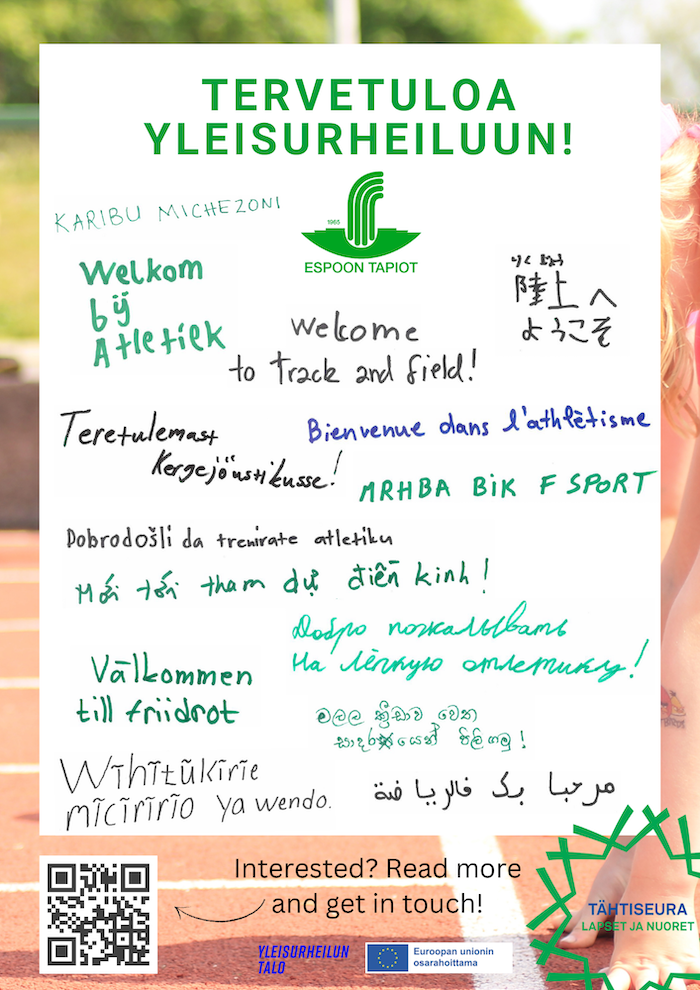
Human rights in action
The Race for Respect campaign places safeguarding, integrity and human rights at the heart of athletics. TALO demonstrates that these principles are not abstract concepts, but practical actions that shape everyday experiences.
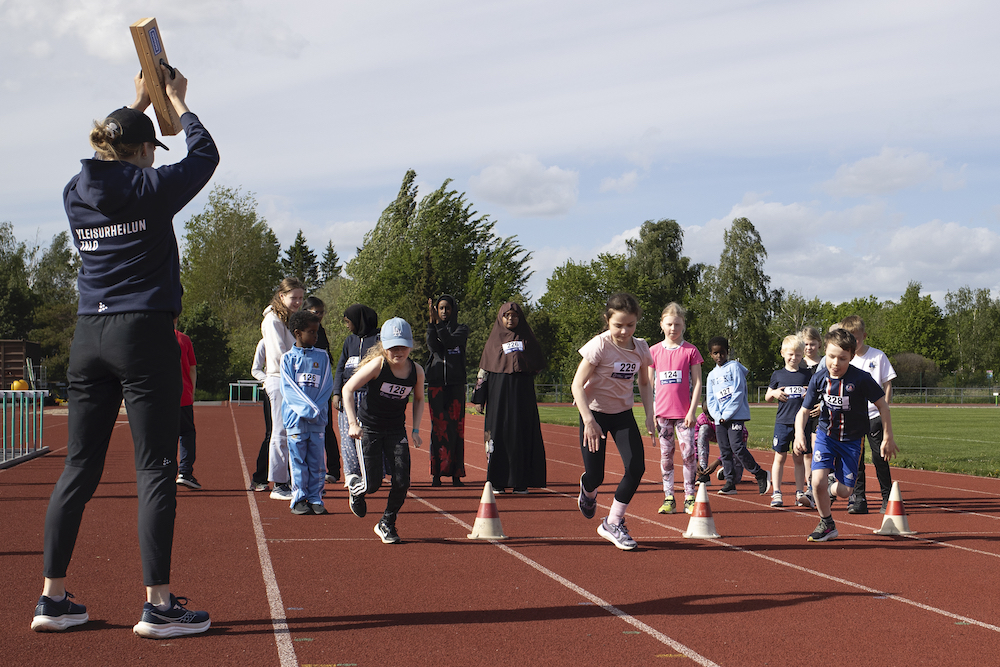
In Lappeenranta, athletics sessions are combined with Finnish language learning, allowing participants to improve their communication skills while building confidence through sport. The programme recognises that successful integration is about much more than physical activity; it is about creating environments where people can communicate, contribute and feel that they belong.
Elsewhere, in Jyväskylä, collaboration with the WARI organisation has encouraged adults with migrant backgrounds not only to participate in athletics but also to become volunteers, officials and active contributors within clubs.
Meanwhile, in Espoo, young peer instructors lead physical activity sessions alongside youth centres, providing role models for younger participants while developing leadership skills and strengthening community ties.
Together, these initiatives show how athletics can become a platform for participation, empowerment and social inclusion.
Building stronger clubs
Creating inclusive environments requires more than good intentions.
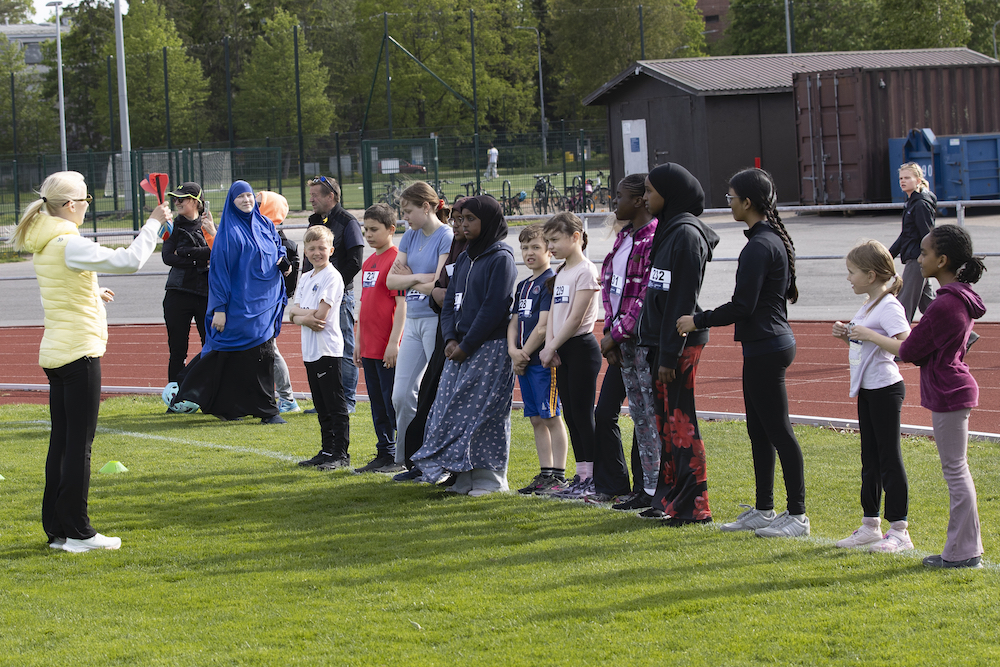
One of TALO's most important contributions has been supporting clubs themselves. Coaches, volunteers and club staff receive education on multicultural participation, inclusive coaching and removing barriers that may unintentionally discourage involvement.
Alongside this, online learning resources and practical guidance are being developed to ensure successful approaches can be adopted by clubs across Finland rather than remaining isolated pilot projects.
The result is a model that strengthens safeguarding not simply by responding to issues, but by proactively creating environments built on trust, understanding and respect.
More than participation
Finnish Athletics Federation President Riikka Pakarinen believes the project's significance reaches far beyond sport.
"Athletics is for everyone. The TALO project is a concrete demonstration of our commitment to building a truly inclusive sport, where every child and young person has the opportunity to find their place, regardless of their background."
She believes athletics has a unique ability to strengthen communities.
"Sport is about much more than physical activity – it’s about community, friendship, belonging and a powerful pathway to integration. Through the TALO project, we are lowering the barriers to participation in athletics and building bridges between children, young people and families with immigrant backgrounds and the Finnish athletics club community."
Pakarinen also emphasises the wider responsibility sport carries.
"It would be a serious mistake – not only for athletics but for Finnish society as a whole – if we failed to harness the unique power of sport to support integration and strengthen social cohesion. Every child who finds a meaningful hobby and experiences a sense of belonging is a step towards a stronger, more equal Finland."
Bringing Race for Respect to life
Race for Respect was created to ensure everyone involved in athletics feels safe, respected and protected.
While safeguarding procedures remain fundamental, the campaign also recognises that respect is built through culture – through creating environments where inclusion becomes normal, diversity is celebrated and every individual knows they belong.
Projects such as TALO show how those ambitions can become reality within local clubs and communities.
By connecting safeguarding, human rights, equality and participation, the initiative demonstrates that athletics can help address wider social challenges while remaining true to its own values, and a practical example of Race for Respect in action.