



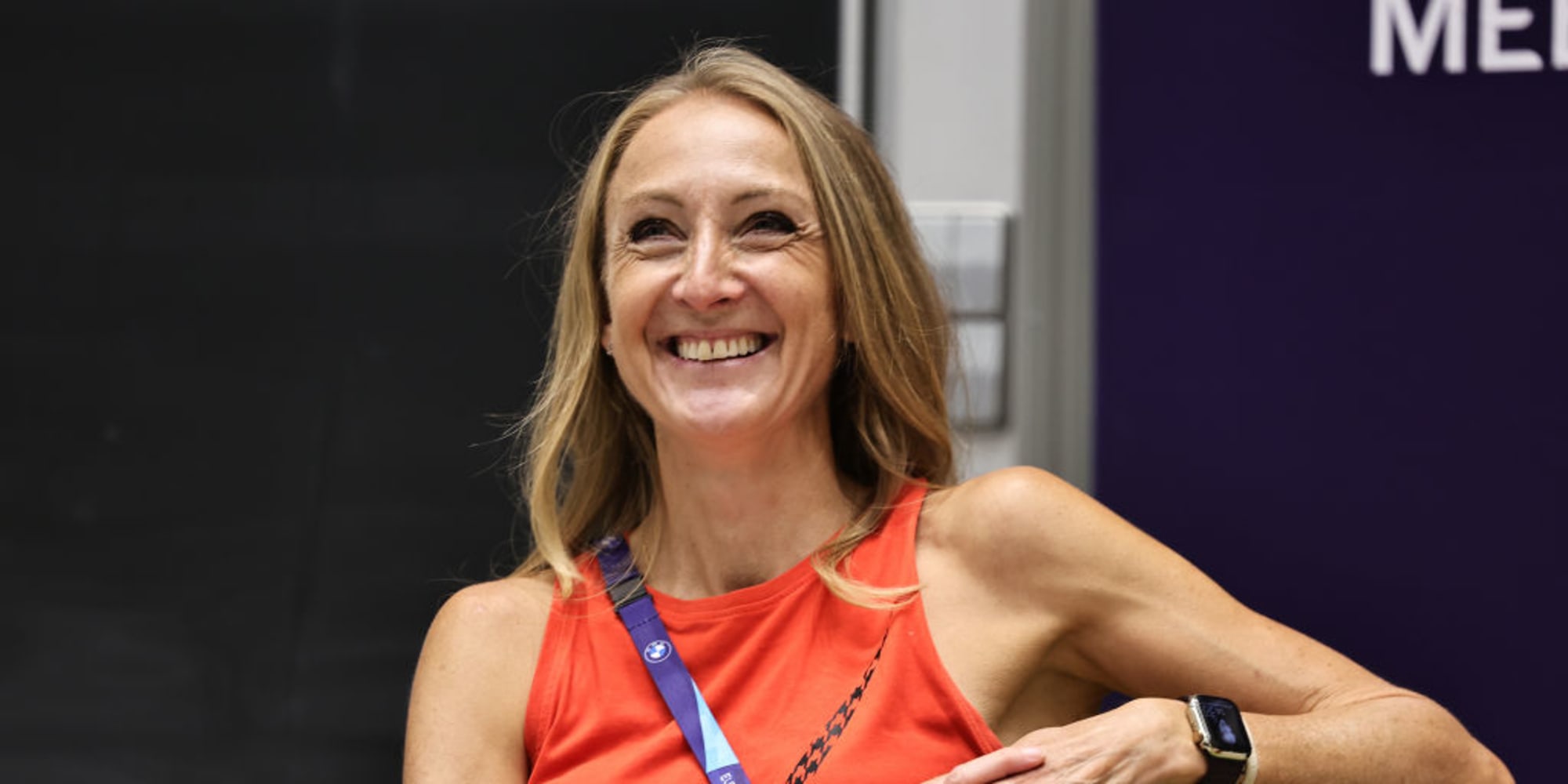
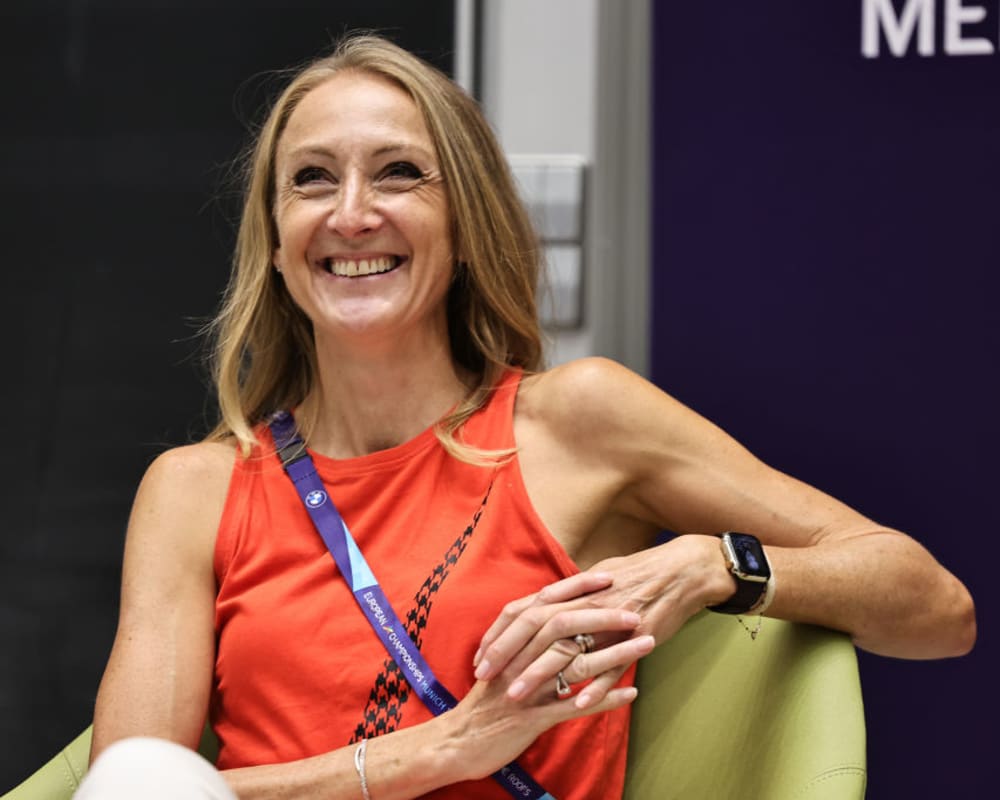

"Road running is probably the most global sport out there.”
That’s according to Paula Radcliffe, who believes the sport's greatest strength is not only in outstanding performances, but in its power to bring people together.
Across Europe, races are selling out faster than ever. More young people are discovering the sport. Women's participation continues to reach new milestones. Major events attract hundreds of thousands of entrants, while local running clubs and communities are welcoming new members every week.
Running is thriving.
Yet behind every successful race, every thriving community and every memorable event experience lies the important question of "how do we ensure this momentum continues?"
That question will sit front and centre at the European Running Business Conference (ERBC) 2026, which takes place in Porto-Gaia this November. Bringing together race organisers, federations, brands, technology providers, media and community leaders from across the continent, the conference has become one of the most important opportunities for the running industry to share ideas, tackle common challenges and shape the future of the sport.
For Paula Radcliffe, one of the most influential figures in the history of distance running, those conversations have never been more relevant. At this year's European Running Business Conference, she will moderate a panel exploring how the sport can encourage greater female participation in marathons, bringing together race directors and industry partners to share ideas and best practice.
"I think hugely, we're all on a learning curve," she says. "The more you can share those learnings, the faster you grow as a whole."
A sport in a healthy place
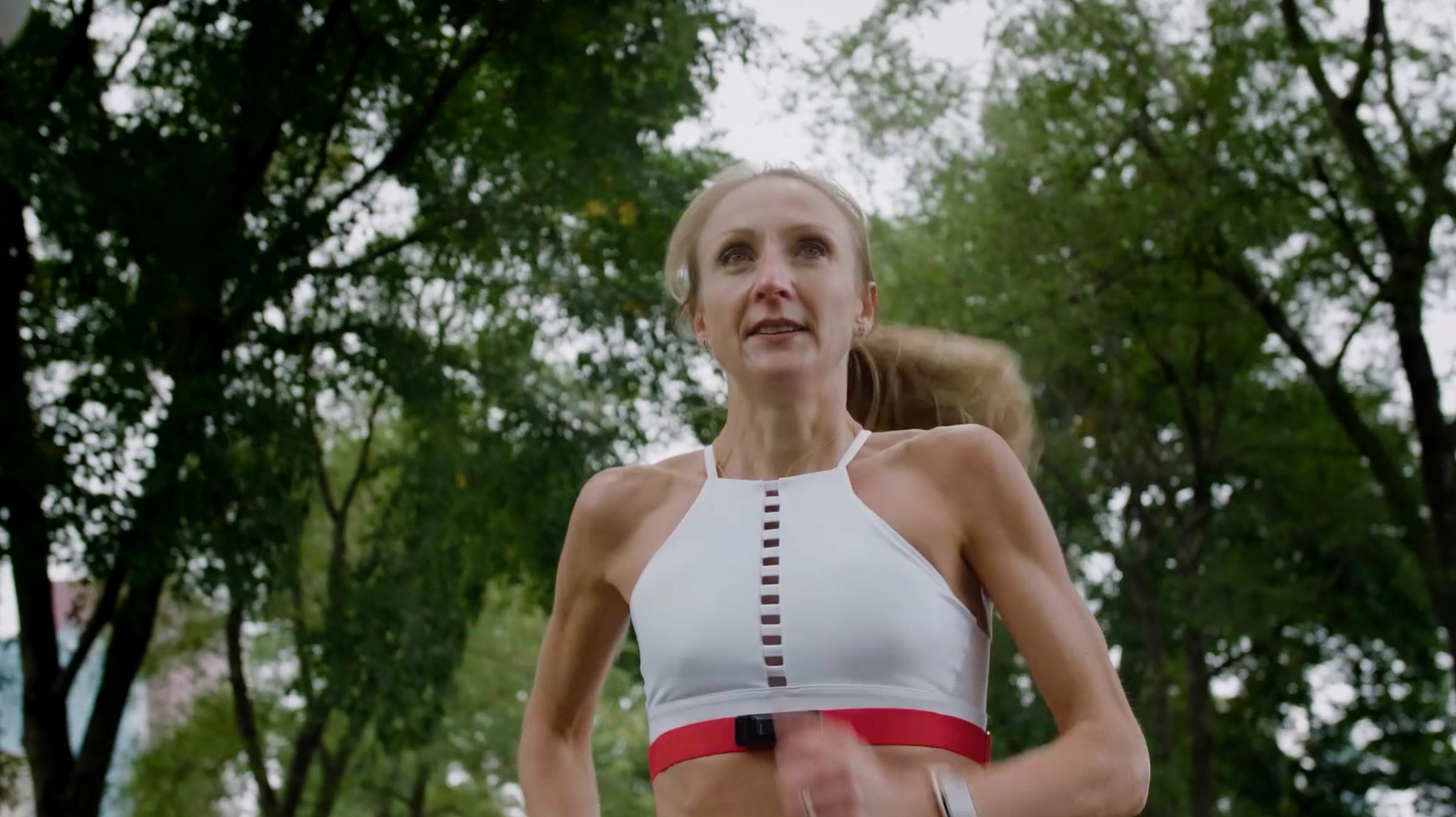
Few people have witnessed the evolution of running quite like Radcliffe.
From her emergence as a young athlete in the 1990s to her world-record-breaking career, and now through her work as a broadcaster, ambassador and advocate, she has seen the sport transform from a relatively niche activity into a cultural movement.
Today, she sees plenty of reasons for optimism.
The extraordinary demand for places at major races is one indicator. So too is the changing demographic of participants.
"What excites me most is the obvious boom in road running," she says.
Recent marathon statistics, particularly among younger participants and women, point towards a sport continuing to broaden its appeal.
"The fact that women were in the majority for the first time ever applying in the ballot is a great indication of how far we've come," she says.
Equally encouraging is the number of younger people entering the sport.
"It's really encouraging that younger generations are looking for healthy pastimes and seeing the benefits of running."
Those trends mirror wider developments seen across Europe, where running continues to attract new audiences and create opportunities for people to become active, often for the first time. Participation data from race organisers and registration platforms consistently points towards growing demand, with events regularly reporting increased registrations and faster sell-outs.
But while growth creates opportunities, it also creates responsibility. The challenge is no longer simply attracting people into running. It's creating experiences that keep them involved.
The business of belonging
For many people, the word "business" can feel slightly out of place in a conversation about running.
But the European Running Business Conference is ultimately less about commerce than community.
Its purpose is to bring together the organisations and individuals responsible for creating the experiences that millions of runners enjoy every year.
That includes everyone from major marathon organisers and technology providers to national federations and event volunteers.
As running grows, collaboration becomes more and more important.
"The more we can share those learnings, the stronger we move it forward."
She points to the willingness of some of the world's biggest events to openly share ideas and experiences.
"It's one community," she says.
"And making sure that every runner has the best possible experience is something everyone benefits from."
That spirit of collaboration has become one of the defining characteristics of modern running.
Rather than competing against one another, organisers are recognising that they face many of the same opportunities and challenges.
How do you welcome first-time runners?
How do you create meaningful experiences?
How do you engage younger generations?
How do you recruit and retain volunteers?
How do you use technology to enhance participation without losing the human connection that makes running special?
Those questions are expected to shape many of the conversations in Porto-Gaia.
Technology, volunteers and the next generation
Every ERBC reflects the issues shaping running at that particular moment.
This year, technology is likely to be a major theme.
Artificial intelligence is increasingly being integrated into race operations, communication and participant services. Registration platforms and event organisers are exploring how data and digital tools can create more personalised experiences for runners, from registration through to race day itself.
But technology is only one part of the story.
Understanding younger participants will also be high on the agenda.
The growth of Gen Z participation has been one of the most significant developments in recent years, while attention is already turning towards the next generation of potential runners.
At the same time, organisers continue to face practical challenges around volunteer recruitment and retention.
As races become larger and more ambitious, the demand for volunteers grows alongside them. Ensuring events have the people required to deliver safe, memorable experiences remains a critical issue across the sector.
For Radcliffe, however, community is the big theme going into this year's conference.
"I think that's the biggest reason running is resonating with people so strongly right now," she says.
More than a race
Ask Radcliffe why running continues to attract so many people, and her answer has little to do with finish times or personal bests.
Instead, she points towards deeper connection.
At a time when many people feel increasingly divided or disconnected, running offers something different.
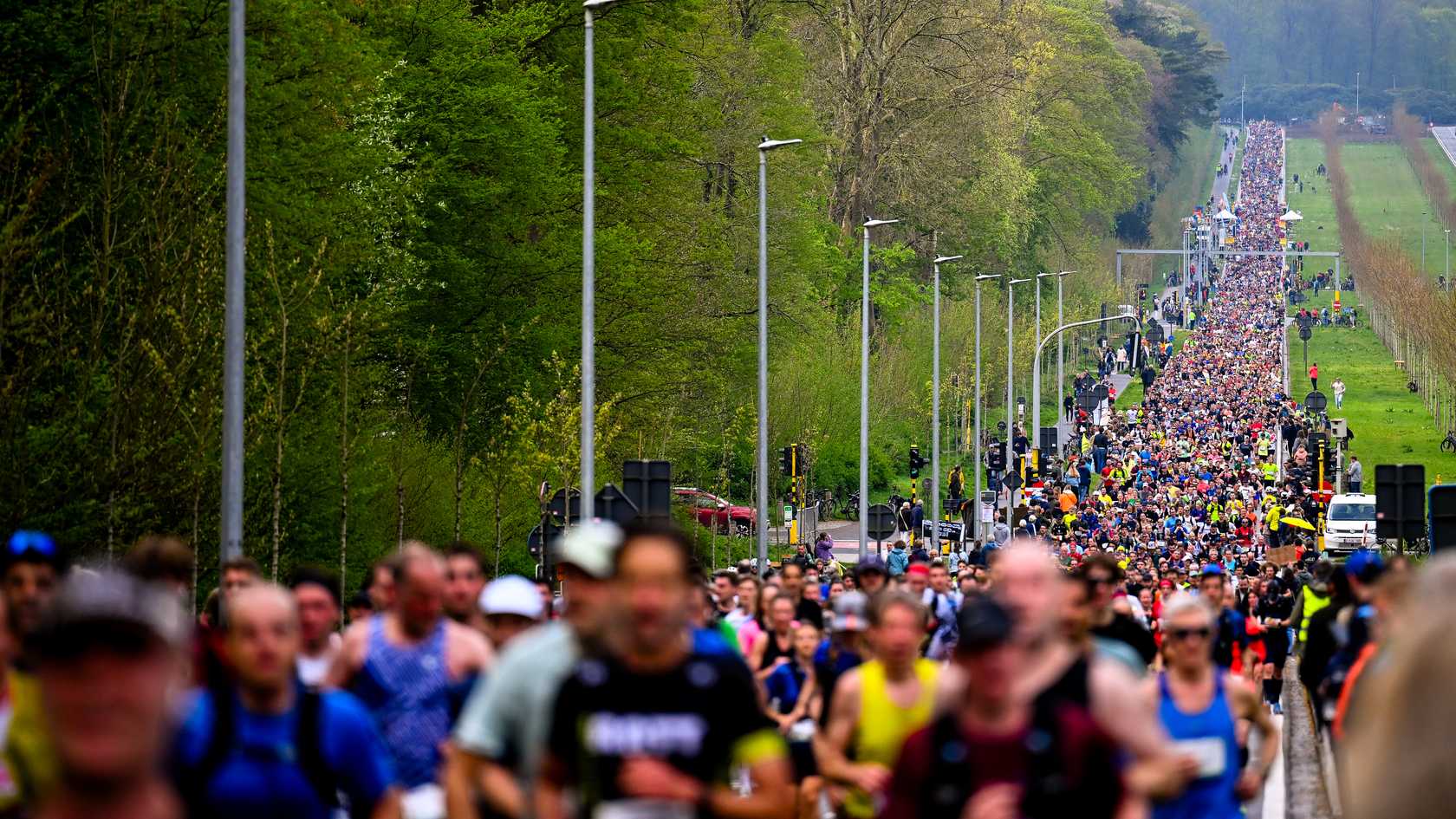
"I can't think of another sporting event that brings together 55,000 or 60,000 people on the same day, going through the same experiences and enjoying something together," she says.
"There is no animosity. It's all positive. Everybody supports each other."
That sense of belonging has become one of the defining characteristics of modern running culture.
"It's a really strong community," she says.
"If you're struggling out there, people help you."
Perhaps that is why running increasingly feels less like a sport people participate in and more like a community people join.
The rise of run clubs, social groups and destination races reflects a broader shift in how people experience the sport.
Running tourism continues to grow, while many runners now view events not simply as competitions but as shared experiences and opportunities to connect with others.
"It's a positive, healthy journey," says Radcliffe.
"It's something you work towards together."
Sharing the experience
The European Running Championships in Brussels-Leuven demonstrated another important aspect of running's future.
By bringing together elite athletes and mass participants within the same event, the championships created a unique experience that blurred traditional boundaries between spectators and competitors.
For Radcliffe, that connection is one of running's greatest strengths.
"You can't have everybody sprinting alongside Usain Bolt," she says.
"You can't have everybody playing on a World Cup football pitch.
"But you can have everyone in a road race."
That accessibility is unique to running.
Participants may run at different speeds and train at different levels, but they share the same roads, the same atmosphere and, ultimately, the same experience.
"It's really important," she says.
"It makes people feel part of the community."
The success of Brussels-Leuven reinforced that idea, with more than 27,000 mass participants joining national team athletes at the inaugural championships and demonstrating the appeal of a model that brings elite and recreational running together.
Looking ahead
If the European Running Business Conference is about anything, it is about preparing for what comes next.
Not just managing growth, but understanding how to nurture it.
For Radcliffe, the future looks bright.
"I'd like to see it continue to grow," she says.
Particularly among younger participants and families.
The foundations are already there.
Participation is increasing, communities are flourishing, new generations are embracing the sport and running has never been more visible or more accessible.
The challenge now is ensuring that momentum continues.
That means learning from one another, sharing ideas, building stronger experiences and recognising that while races may take place in different cities and countries, they are all part of the same wider movement.
As thousands of runners gather in Porto-Gaia later this year, the conversations will focus on themes like technology, volunteers, participation trends and event delivery.
But beneath everything lies the simple question, "How do we help even more people discover what makes running special?"
The answer is likely to come from the collective wisdom of a community that continues to grow stronger every year.
This interview is from the June/July 2026 edition of Inside Track, European Athletics' monthly newsletter on the biggest issues in the sport today. You can receive Inside Track and other European Athletics news direct to your inbox by registering with European Athletics.