



The post-pandemic running boom is showing little sign of slowing down. Across Europe, races are selling out faster than ever, younger generations are pinning on race numbers in unprecedented numbers, and women are reshaping the demographics of the sport.
At the same time, runners are increasingly seeking memorable experiences rather than simply chasing finish times, combining races with city breaks, mountain adventures and unforgettable championship occasions.
Few organisations have a better view of these trends than Belgium-based Golazo, one of Europe's leading organisers of mass participation events. The company delivers more than 100 events annually in Belgium alone, including the country's biggest marathons in Antwerp, Brussels, Ghent and Bruges, alongside the hugely popular Antwerp 10 Miles.
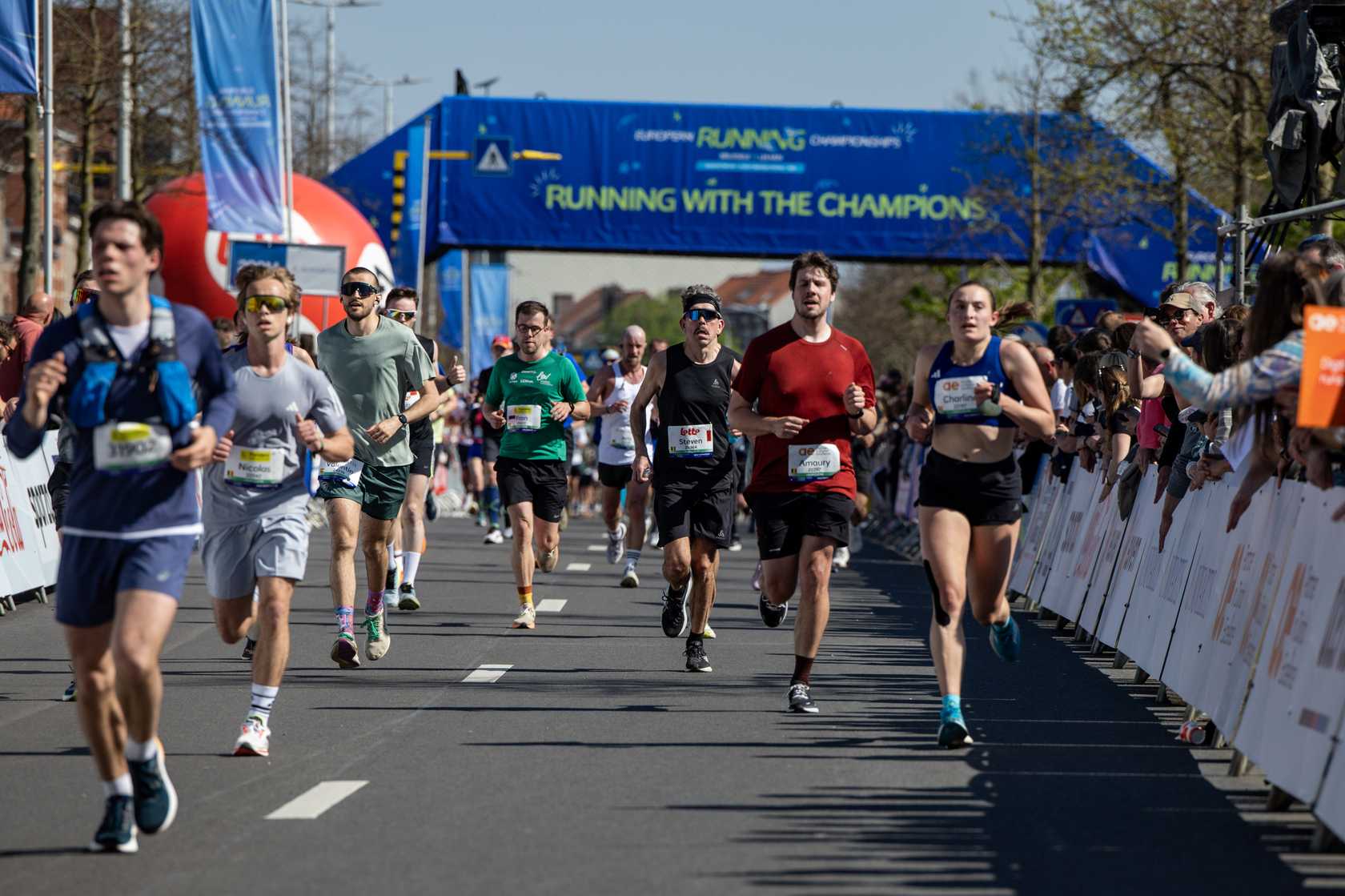
It also partnered with European Athletics to stage the inaugural European Running Championships in Brussels-Leuven in April 2025, a groundbreaking event that welcomed more than 28,000 participants from 84 countries and attracted around 160,000 spectators.
For Thomas Huyberechts, Golazo's Head of Project Management, the numbers tell only part of the story.
"I've been with Golazo since 2014 and we've been through a lot," he says.
"There was a big running boom until around 2016-17, then the market stagnated, followed by the pandemic, which was incredibly difficult for every event organiser. A lot of organisers disappeared. But those who survived are now benefiting from a completely new running boom."
A remarkable resurgence
Golazo recently analysed participation data from its four major Belgian marathons in Antwerp, Brussels, Ghent and Bruges. The findings underline just how dramatic that resurgence has been.
"We've had a 170% growth between 2022 and 2025," says Huyberechts. "We've gone from roughly 28,000 participants to 75,000 participants across those four events. The growth has been immense."
While he believes the steepest part of the growth curve may now be easing, participation remains at historically high levels.
"The market is booming. We're still growing, although perhaps not quite as steeply as before. But we've added more than 50,000 runners to those events in just four years."
Perhaps even more striking is where that growth is happening. While the marathon remains the sport's iconic distance, it is the half marathon that has become Europe's fastest-growing challenge.
"Half marathon races are really exploding," Huybrechts explains. "Where we see around 20 to 25 per cent growth in marathon participation, we've seen growth of roughly 65 to 70 per cent in half marathon races over the same period."
The appeal is easy to understand. For many newer runners, the half marathon represents an ambitious but achievable goal — offering much of the prestige of a marathon without the same level of training commitment.
A younger, more diverse running community
The stereotype of the typical distance runner has also changed dramatically.
"A decade ago, the marathon runner was typically a white male, highly educated, between 35 and 45 with a high income," Huyberechts says. "What we see now is something completely different."
Golazo's data shows that the fastest-growing age groups are 18-24-year-olds and 25-34-year-olds.
Proportionally, participation among runners aged 18-24 has increased by around 10 per cent, while the 25-34 age group has grown by almost 15 per cent.
"Every age category is growing," he explains, "but relatively speaking, those younger categories are growing much faster. That's really encouraging because it means our future audience is already there. If we can keep them engaged, the future of our events looks very healthy."
The influx of younger runners is being matched by another important shift: women are joining the sport in record numbers.
"The women are making up a lot of ground," says Huyberechts. The trend is particularly visible over shorter endurance distances.
"For the first time this year, our Antwerp 10 Miles was almost 50-50 between men and women. That's groundbreaking because it used to be around 70-30."
At some shorter races, women already outnumber men, while Huyberechts believes parity at many half marathons is only a few years away.
"If this trend continues, within two or three years there will be an equal number of women and men on the start line at many half marathons."
The changing demographic is also influencing commercial partnerships, with more female-focused brands recognising the opportunity presented by Europe's increasingly diverse running community.
Running becomes a travel experience
The reasons people choose races have also evolved.
For many runners, the finish line is now only part of the attraction.
Golazo surveys participants after every event and consistently finds that the destination itself plays an increasingly important role in race selection.
"The success of a marathon is often combined with the success of the destination as a travel destination," Huyberechts explains. "If your race is held in a really attractive tourist city, you're much more likely to have a very successful event."
Historic cities such as Bruges and Ghent have become particularly attractive to international runners looking to combine personal achievement with a memorable weekend away.
The growth of so-called "race-cations" reflects a broader shift in consumer behaviour, where experiences increasingly take precedence over possessions. Running events have become opportunities to discover new cities, travel with friends and create lasting memories alongside athletic goals.
A championship unlike any other
Nowhere was that emphasis on experience more evident than at the inaugural European Running Championships in Brussels-Leuven.
The innovative format combined elite championship races with thousands of recreational runners competing over the same courses — creating a unique atmosphere rarely seen in international athletics.
"It was a gutsy move from European Athletics," Huyberechts says. "But I think it worked out really, really nicely."
The concept delivers benefits for everyone involved.
"For elite athletes, it's an incredible feeling to lead 10,000 or 20,000 runners rather than just a small championship field. But as an amateur, there aren't many sports where you can share the same field of play as the very best."
His comparison perfectly captures what makes the event so distinctive.
"As an amateur footballer, you'll never play on the same pitch as Lionel Messi. Here in Leuven, you got to run in the same race as Jimmy Gressier. That's something really special."
The format also transformed the spectator experience.
Many supporters initially came to cheer on family members and friends taking part in the mass races, but their presence created an electric atmosphere that also elevated the elite championships.
"If you entered the city limits of Leuven, the crowd was three, four or five people deep in places," says Huyberechts. "A lot of those supporters were there for an age-group athlete, but that became a really nice side effect for the elite races as well."
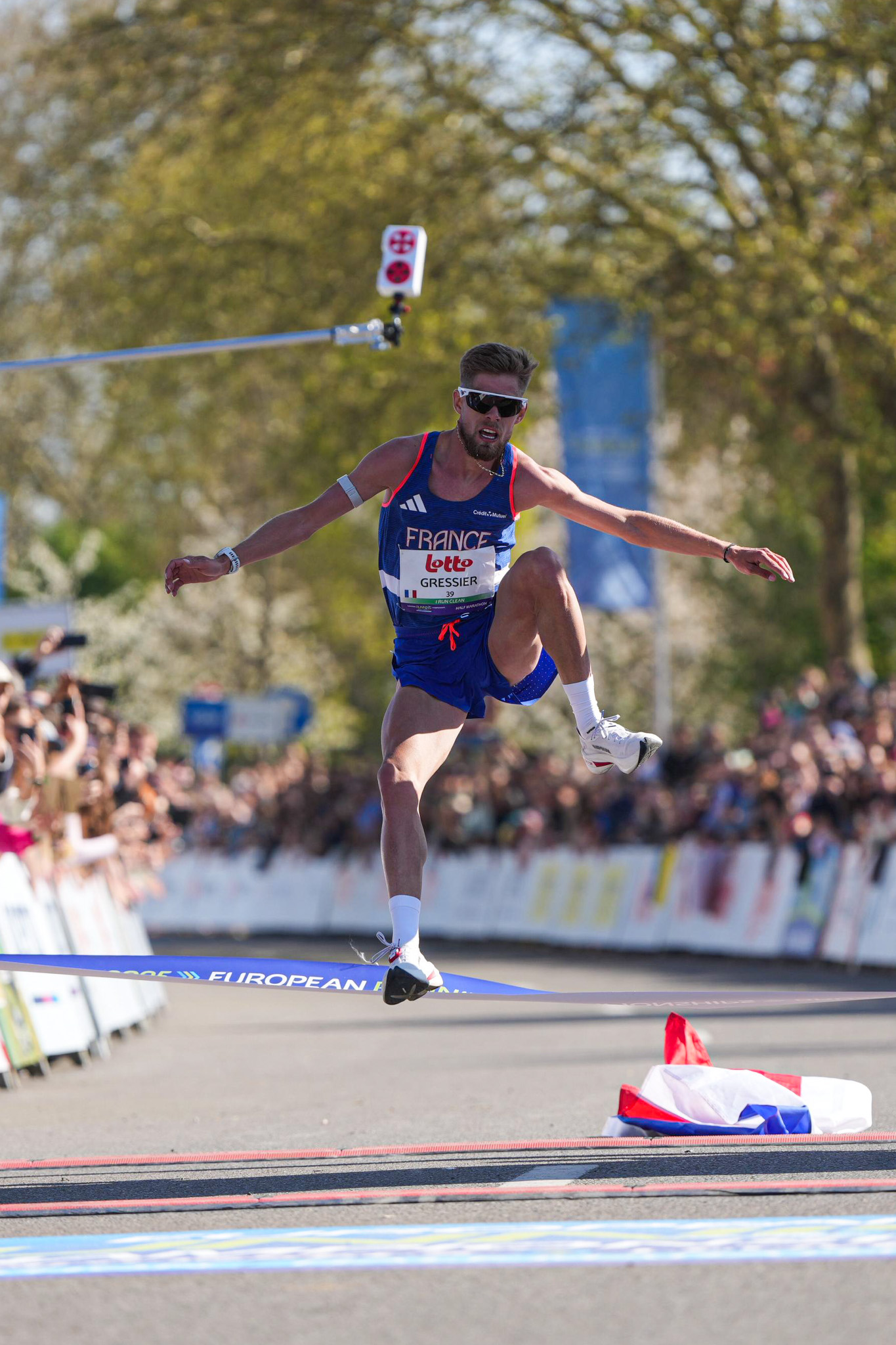
For Huyberechts, who grew up in Leuven, the city's embrace of the event left an unforgettable impression.
"I've never, ever in my life felt such a vibe being built up in a city before a race," he says.
"The months before, the weeks before, you could feel a common drive among everybody in the city. The hype around the event is something I've never experienced in my 12 years organising races."
That success has already secured the event's future. Belgrade will host the next European Running Championships on 17-18 April 2027, before the championships head to Utrecht in 2029, where Golazo will once again support delivery.
Beyond the roads
The running boom is not confined to city streets. Trail running continues to attract growing numbers of participants, although Huyberechts sees an increasingly clear distinction between premium events and smaller local races.
"The big events are doing really well," he says. "If you want to run UTMB or one of the classic trail races, you have to register immediately because places disappear so quickly."
At the same time, runners' expectations have risen significantly.
"The demands runners place on organisers are much higher now because the whole industry has levelled up over the past ten years."
While flagship trail races continue to sell out rapidly, some smaller community events face greater challenges competing in a marketplace where participants increasingly expect world-class organisation and premium experiences.
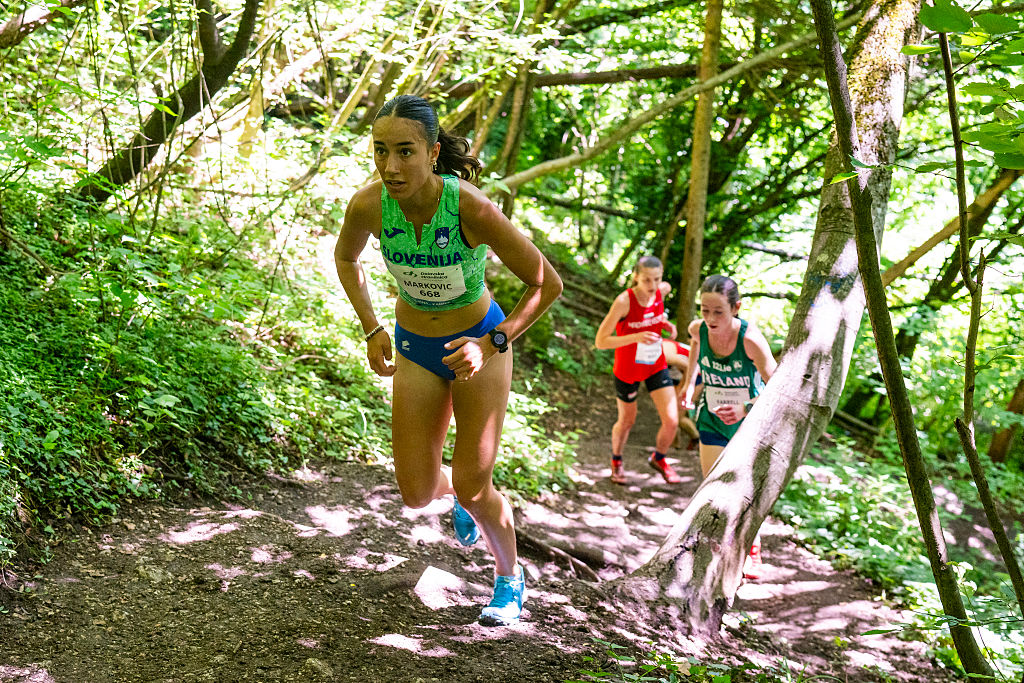
European Athletics is also embracing that growing appetite for off-road competition. The European Off-Road Running Championships were staged in Ljubljana-Kamnik in June, bringing together Europe's leading mountain and trail athletes alongside mass participation opportunities.
The event will evolve further when it becomes the European Trail Running Championships in Villars, Switzerland, in 2028, continuing the governing body's ambition to combine elite competition with opportunities for recreational runners to become part of the championship experience.
Ultimately, whether on city streets or mountain trails, the appeal remains the same: bringing people together through running.
As European Athletics President Dobromir Karamarinov reflects: "From city streets to mountain trails, we're seeing running grow in every corner of Europe. More people than ever are discovering the sport in ways that suit them, whether on roads, trails or mountains. Together, these experiences are helping to build one stronger, more connected running community."
If the past four years have demonstrated anything, it is that Europe's running renaissance extends far beyond participation figures.
It is creating new communities, attracting new generations, opening the sport to more women than ever before and transforming races into shared experiences that reach far beyond the finish line.
This interview is from the June/July 2026 edition of Inside Track, European Athletics' monthly newsletter on the biggest issues in the sport today. You can receive Inside Track and other European Athletics news direct to your inbox by registering with European Athletics.