




It has been a historic month for road running, with seemingly impenetrable barriers falling.
At Sunday’s (26) London Marathon, Kenya’s Sabastian Sawe delivered a standout performance, clocking 1:59:30 to underline the exceptional standard of men’s road racing this season.
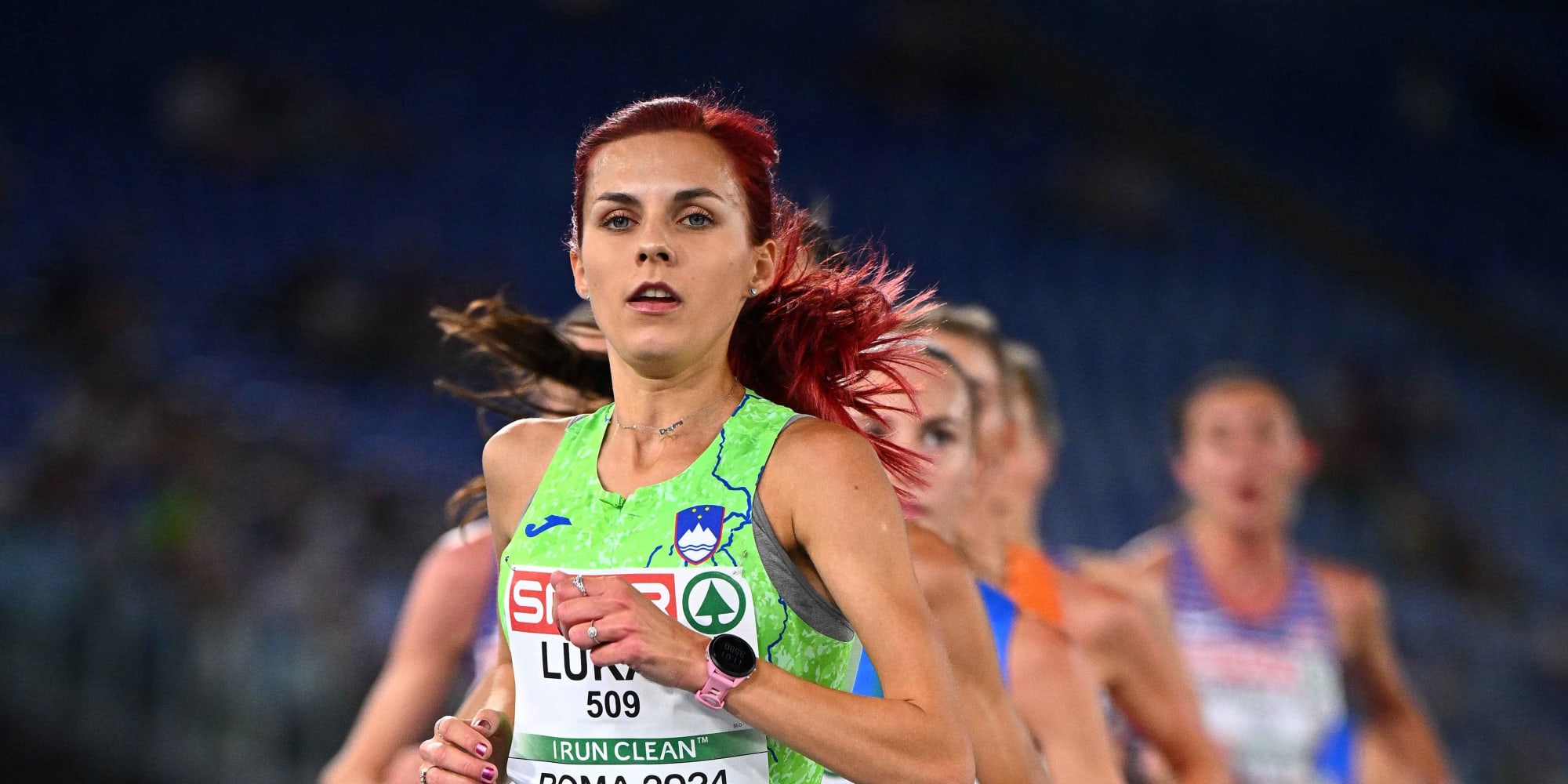
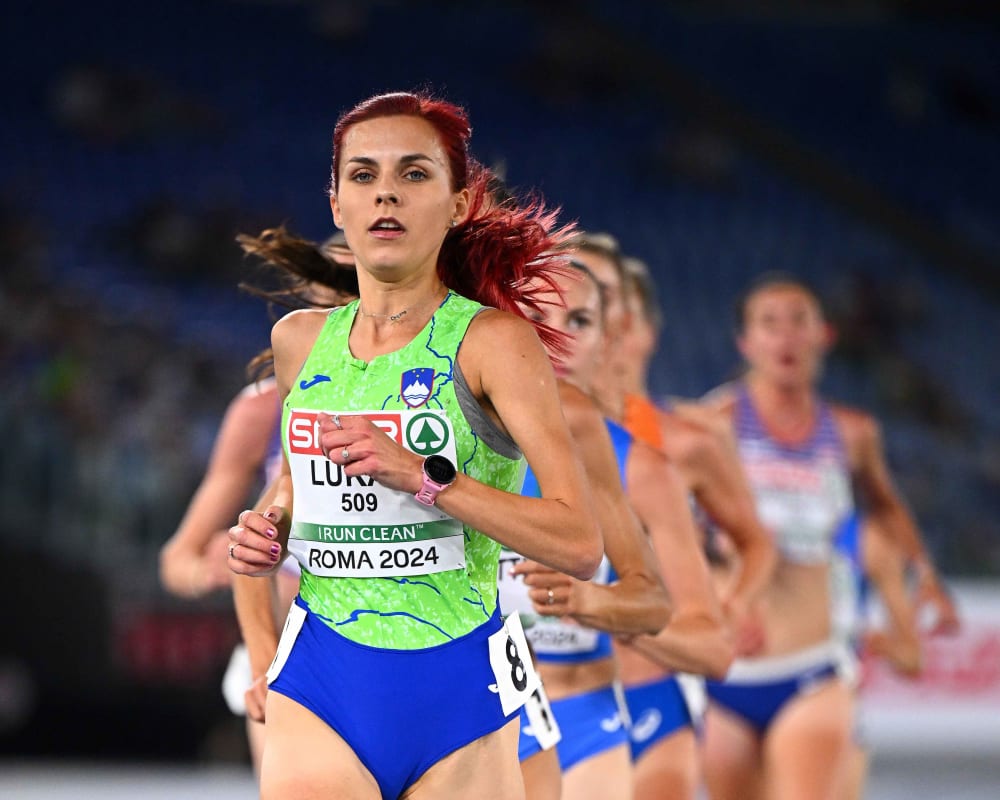
A week earlier, Slovenia’s Klara Lukan became the first European woman to run below 30 minutes for 10km, producing a stunning 29:50 at the 10K Villa de Laredo on 18 April.
Extraordinary performances
Her performance capped an extraordinary spring for European road running.
The European women’s 10km record fell four times in quick succession — first to Jana Van Lent (30:10, 4 January, Nice), then Eilish McColgan (30:08, 11 January, Valencia), followed by Megan Keith (30:07, 22 February, Castellón), before Lukan’s historic run pushed it into entirely new territory.
Similarly, in the men’s 10km, Andreas Almgren set a European record of 26:45 in Valencia on 11 January, which was then improved by Yann Schrub in Castellón on 22 February.
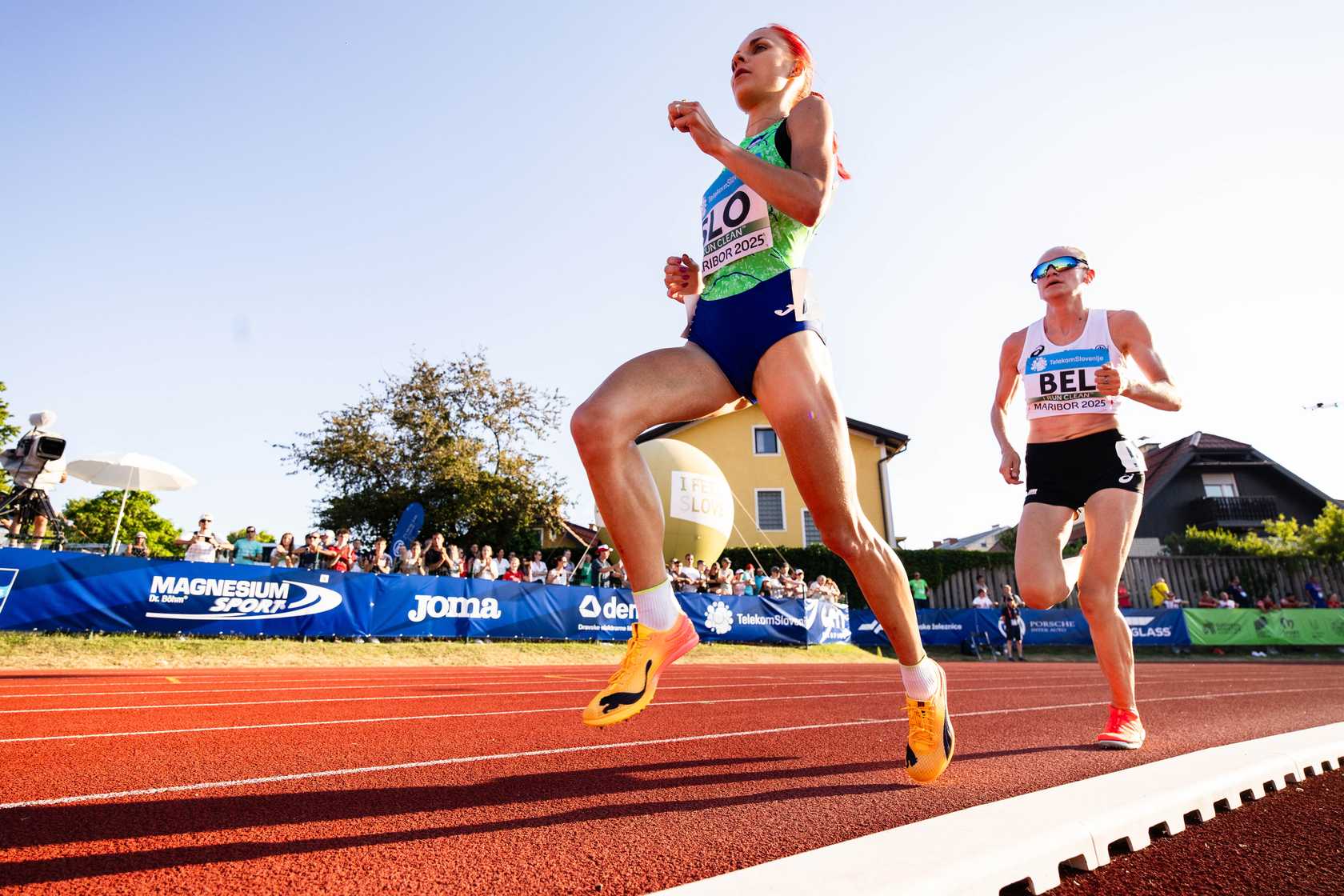
But Lukan’s performance is the most eye-catching, finally cracking a barrier that had remained unbreached despite the relentless efforts of Europe’s top distance runners over the past 25 years.
Even Lukan herself is still absorbing what she achieved: “I still haven’t processed it yet,” she told European Athletics. “The whole week was hectic. I’m trying to comprehend everything.”
The race to break 30 minutes
While the record made headlines, her goal was simpler — and deeply personal. “My target was not to break the European record, but to break the 30-minute barrier,” she said.
It was an ambition that took root months earlier: “When I was on a training camp in Kenya, I saw the record had been broken by the Belgian runner Jana (Van Lent). It motivated me and I told myself the story has not yet ended.”
Preparation and training at altitude
Her build-up was not without setbacks. After altitude training in Kenya in December and January, her body didn’t respond as expected. “This after-altitude effect hit me really hard. I needed like five weeks to recover,” she said.
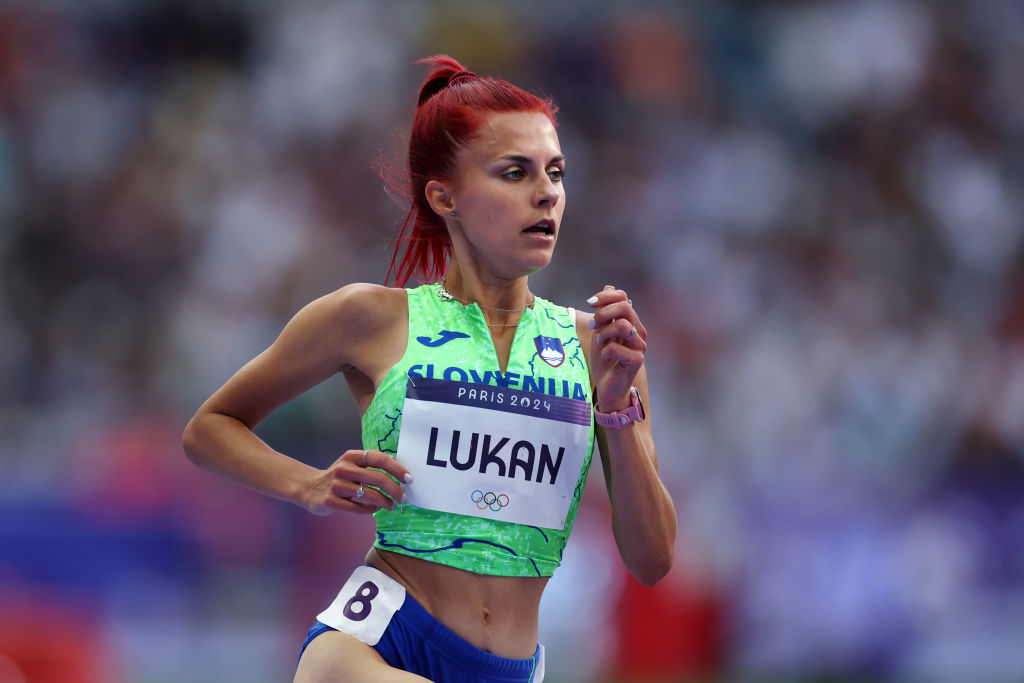
But she followed the advice of her coach, Tevž Korent, to stay patient and trust the process. “I really trusted my coach 100%. He told me I’m capable of breaking barriers I maybe think are impossible.”
Even after a disappointing run at the Monaco Run in February, where she clocked 15:04 for 5km, she kept faith.
The rise of European running
And in Laredo, it all came together.
“People were really shocked. It seems crazy that a European woman can actually break the 30-minute barrier,” she said. “This really is on another level. I’m really happy about my final result.”
Lukan sees herself as part of a wider movement in European women’s distance running: “The level is just amazing. There are so many girls who can run really, really fast.”
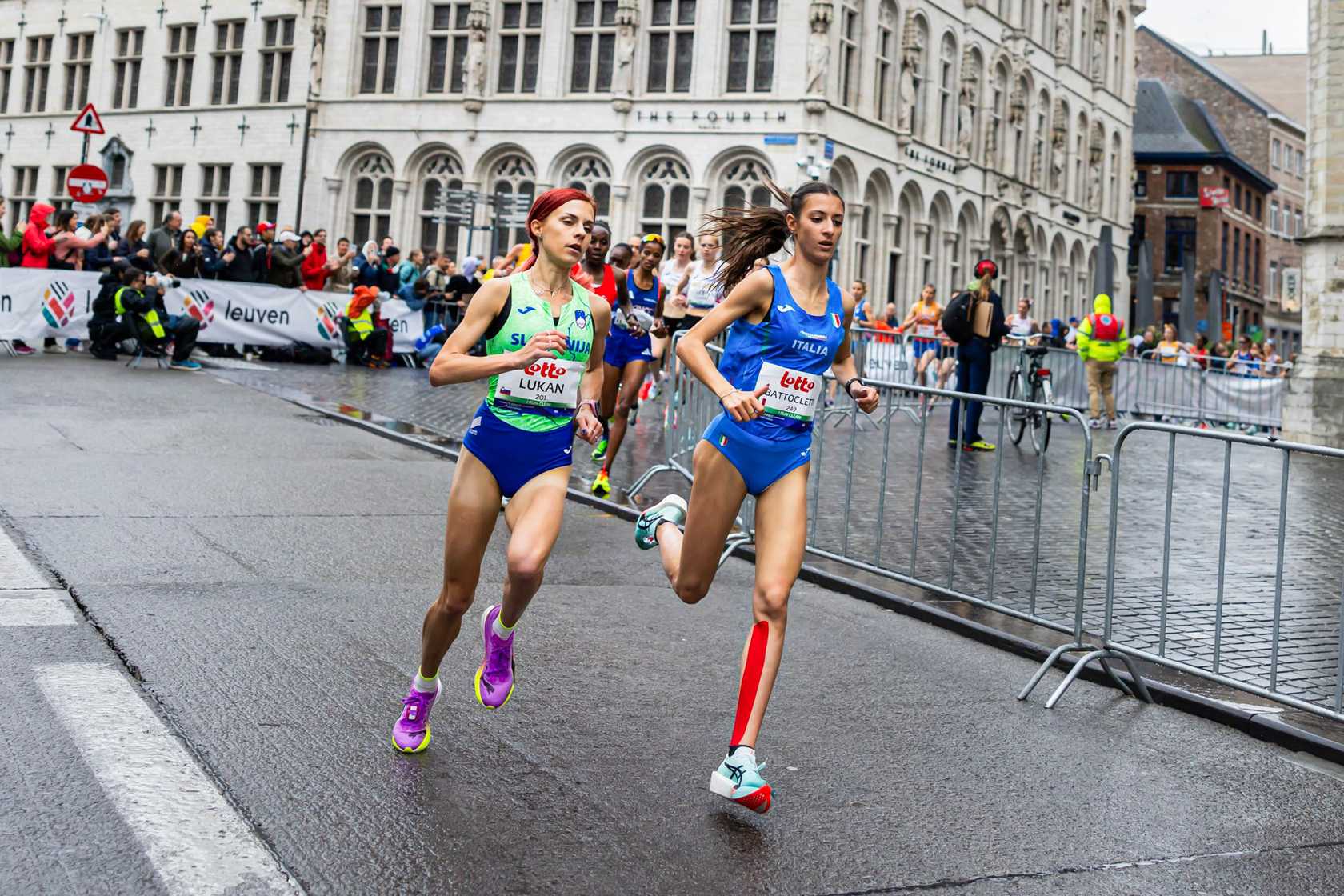
She draws particular inspiration from multiple European champion and Olympic and world medallist Nadia Battocletti.
“We’ve been competing since 2018. It’s incredible to see her progress from European level to world level. It gives me motivation — I see that everything is possible.”
Plans for the season ahead
Her focus now shifts to a busy championship year, including the World Athletics Road Running Championships in Copenhagen (19–20 September) and the European Athletics Championships Birmingham 2026 (10–16 August).
“My main focus is the half marathon at the World Road Running Championships in Copenhagen, but of course the European Championships are really important as well,” she said.
She is targeting the 10,000m on the track, alongside a full road season that includes 10km races in Manchester (21 May) and New York (6 June). “I’m planning to compete all year round," she says.
Marathon ambitions
With her strength on the roads, the marathon is a natural future goal — but she is not rushing the step up.
“I still need some kilometres. We are organically adding the distance each year,” she said. “You cannot be a professional marathon runner when you are 16. You need to progress year by year… and also for the mental development, because it’s really demanding.”
Still, she is clear about her long-term direction: “In the future, you will see me on the marathon stage.”
A drive for holistic improvement
Beyond running, Lukan is equally focused on personal development. She holds a degree in biotechnology and a master’s in international business from the University of Ljubljana, and works part-time as a project manager for a software company.
“I don’t want to build my entire identity only around sport. I want to combine business and science one day.” Her philosophy is clear. “We must constantly develop ourselves in other areas of life.”
Confidence, identity — and the red hair
As well as her performances, Lukan’s bright red hair has become a defining feature. “It’s part of my public image. I haven’t seen any other long-distance runner with red hair,” she said.
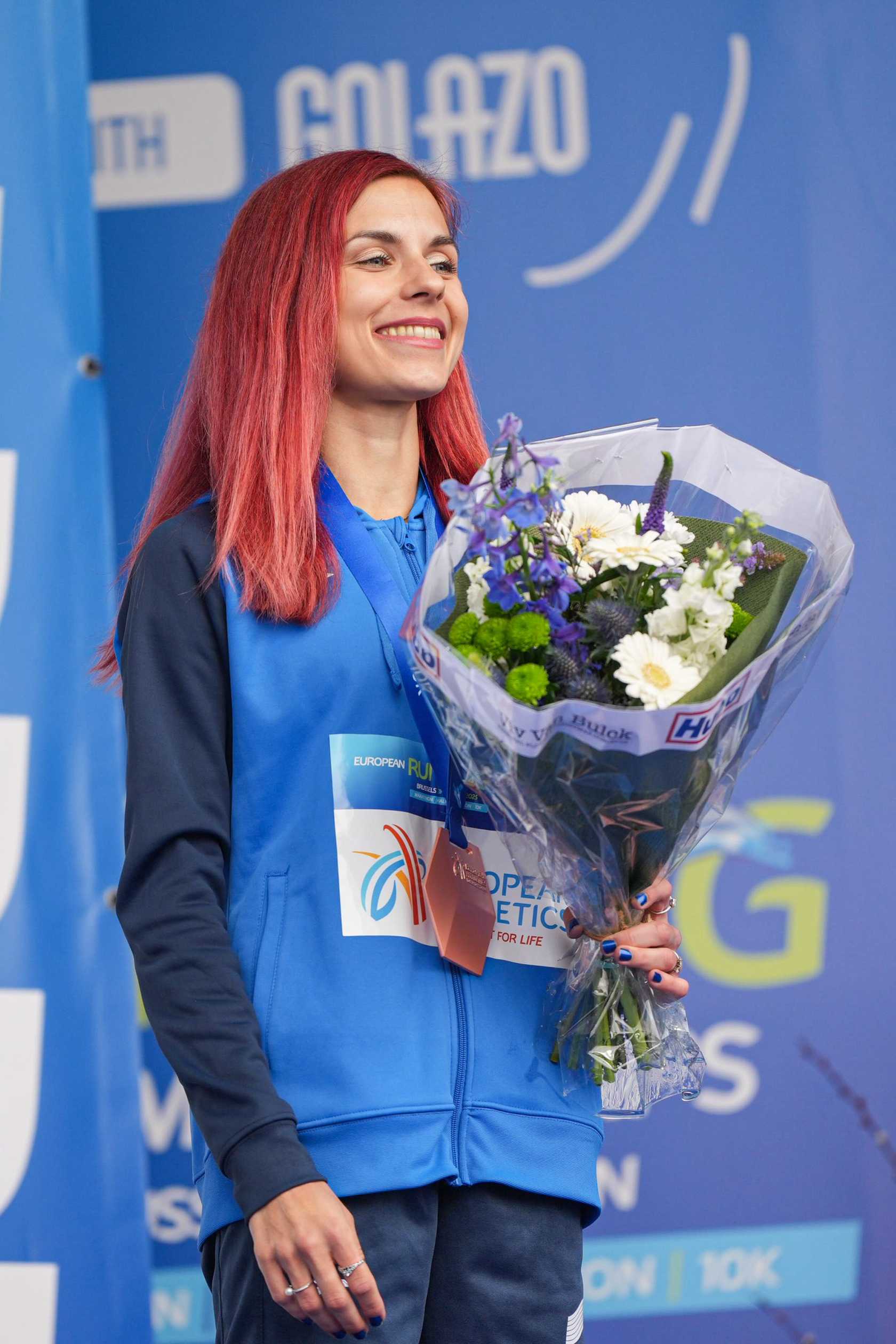
But it goes beyond appearance: “You must feel good in your own skin. I think that’s why I perform better.”
Visible, confident, and now record-breaking — Klara Lukan is not just making history, she’s standing out while doing it.