




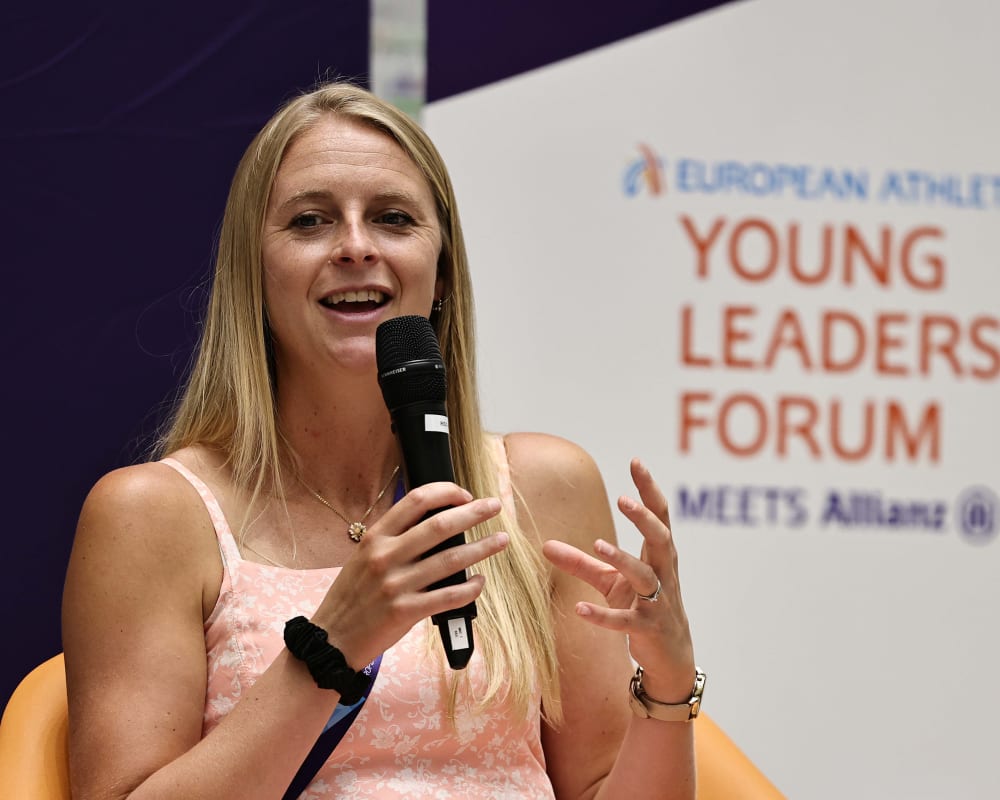

Elite sport is demanding by design. There are expectations, selection battles, injuries, setbacks and the constant pressure of trying to find the outer limits of what the body and mind can do. For Hannah England, that challenge is part of what makes athletics so compelling.
What should never become part of the equation, however, is fear.
"Of course it's okay to be nervous about a race," says the former world 1500m silver medallist. "It's okay to be anxious about your result. But you shouldn't be scared of what a coach or support staff member might say or do after a performance."
As European Athletics continues to expand its Race for Respect programme, safeguarding is increasingly being viewed as something much broader than policies, procedures or responding when something goes wrong. It’s about creating environments where athletes feel able to perform, develop and grow as people – environments built on trust, respect and psychological safety as much as physical safety.
High performance starts with safe environments
As both a former world-class athlete and now a commentator and presenter, Hannah has experienced athletics from both inside the arena and behind the microphone. Looking back across those experiences, she considers herself fortunate.
"I always felt physically and emotionally safe in my training environments," she says. "That was down to robust safeguarding practices, but also the culture and values of the coaches and staff I worked with.
"I found it really nurturing to train in an environment where I was cared for emotionally. Athletics is stressful enough without support staff adding to that through emotional manipulation or bullying."
That doesn't mean every environment she encountered felt the same. Hannah draws a clear distinction between the day-to-day training groups that shaped her career and some championship settings, where external pressure could become amplified rather than managed.
"I was exposed to different coaching and leadership philosophies where people felt it was productive to publicly share their expectations of athletes in team meetings or through the media," she recalls.
"I found that detracted from performance because it simply made me more stressed and nervous than I already was."
High-performance sport is inevitably uncomfortable at times. Athletes are constantly pushed beyond what feels easy or familiar. But there is a difference between demanding excellence and creating anxiety.
A culture, not just a policy
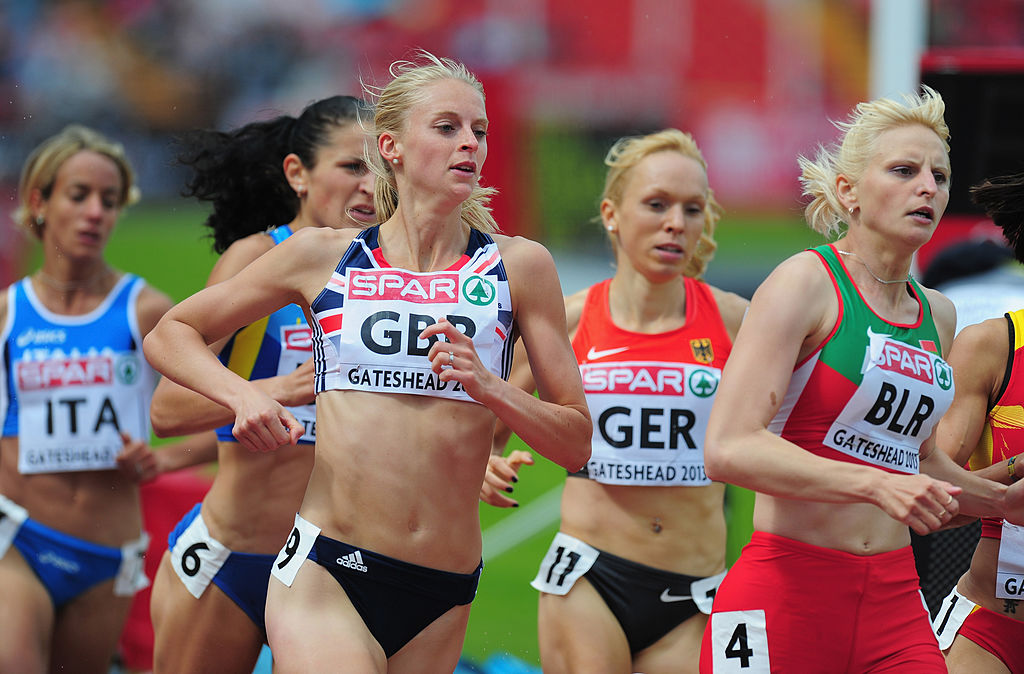
Hannah experienced that difference first-hand under the guidance of her long-time coach, Bud Baldaro.
"Our results were important, but they were never the most important thing," she says. "It was always up to us to choose our own goals and decide how we wanted to achieve them.
"There wasn't a culture of blame if we fell short. It was about trying, learning and enjoying ourselves along the way."
That approach did something more valuable than just producing performances.
"It felt empowering to be in control of my own aspirations. It also meant I never lived in fear of my coach's reaction if something didn't go perfectly."
Giving athletes a voice
The idea of athlete autonomy is something that Hannah touches on frequently. For young athletes in particular, she believes it’s easy for coaches and adults to become overly directive – deciding training loads, managing injuries or making important decisions without properly involving the athlete themselves.
"I think it's important that young athletes understand that their opinion is an integral part of their sporting career," she says. "That makes the whole journey healthier and happier."
The consequences of not creating that culture can extend far beyond performance.
"From a performance perspective, athletes who don't feel able to speak openly can end up overtraining, underperforming or getting injured.
"But from a safeguarding perspective, it can create environments where inappropriate behaviour becomes normalised – not just for one athlete, but for an entire training group."
Learning what 'normal' looks like
That presents a particular challenge for younger athletes. Many just don't yet have the experience to recognise when something isn't right.
"A young athlete may not even know what is appropriate or inappropriate," Hannah says. "Sometimes athletes and parents accept unhealthy behaviour because they genuinely believe that the environment is going to help them fulfil their potential."
Which is why she believes experienced athletes have an important responsibility to speak honestly about their own journeys – including the difficult parts.
"It's important to be open about both the good experiences and the bad.
"There is stress in elite sport. That's inevitable. But older athletes can help younger ones understand the difference between the normal pressures of competition and situations that are genuinely unhealthy."
Telling better stories
Since retiring from competition, Hannah has found herself thinking about athlete welfare from another perspective.
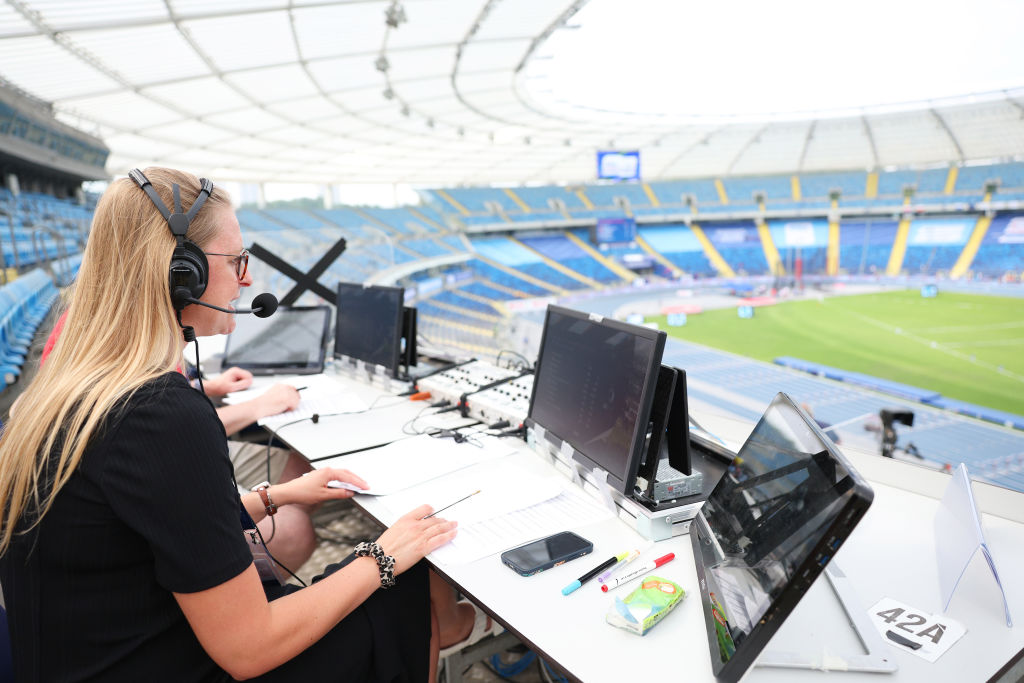
As a commentator and presenter, she is acutely aware that the language used to describe athletes – and the pictures used to tell their stories – shape how the next generation sees the sport.
"I'm always very conscious not to comment on body shape," she says.
"I would hate to make a young athlete think a certain body type leads to success or failure when, actually, consistency in training and having a healthy body are what matter."
She applies the same thinking when analysing performances.
"I also avoid suggesting someone won simply because they trained harder or wanted it more than everyone else. I think that's a dangerous message because it can encourage unhealthy behaviours like overtraining."
Those views align closely with the new European Broadcasting Union guidelines, developed alongside European Athletics, which encourage broadcasters to focus on athletic performance and technical excellence while reducing imagery that risks objectifying women athletes.
Hannah welcomes the guidance, describing it as a practical example of the sport continuing to evolve.
"No commentator or broadcaster sets out to make athletes uncomfortable," she says. "But that doesn't mean we shouldn't challenge ourselves to improve.
"Sometimes it's simply about changing a camera angle slightly or ending a replay a second earlier. You still capture the athletic performance, but you avoid images that could leave athletes feeling self-conscious, embarrassed or exposed to unnecessary online abuse."

Respect beyond the finish line
Respect, she argues, should extend beyond the stadium. Broadcasters, governing bodies, social media platforms and supporters all contribute to the environment athletes experience.
"Fans can challenge themselves to start from a position of kindness and compassion," she says. "Think about whether you'd feel comfortable saying that comment directly to an athlete, or having it said to you."
Where respect begins
Hannah's perspective doesn’t feel particularly revolutionary. Asked what one practical change she would most like to see across athletics, she gives an answer that’s beautifully simple.
"Just remember that athletes are doing the best they can."
If coaches, support staff, commentators and supporters all started there, she believes much else would follow naturally.
"We could focus on celebrating skill, dedication and great competition.
"And we'd create an environment where athletes feel nurtured in their pursuit of excellence rather than vulnerable or fearful of taking part."
Safeguarding is often discussed in terms of systems, reporting mechanisms and procedures, all of which are essential. Yet the culture surrounding those systems is built in much quieter ways – through trust, empathy, language and everyday behaviour.
For Hannah, that's where respect really begins.