



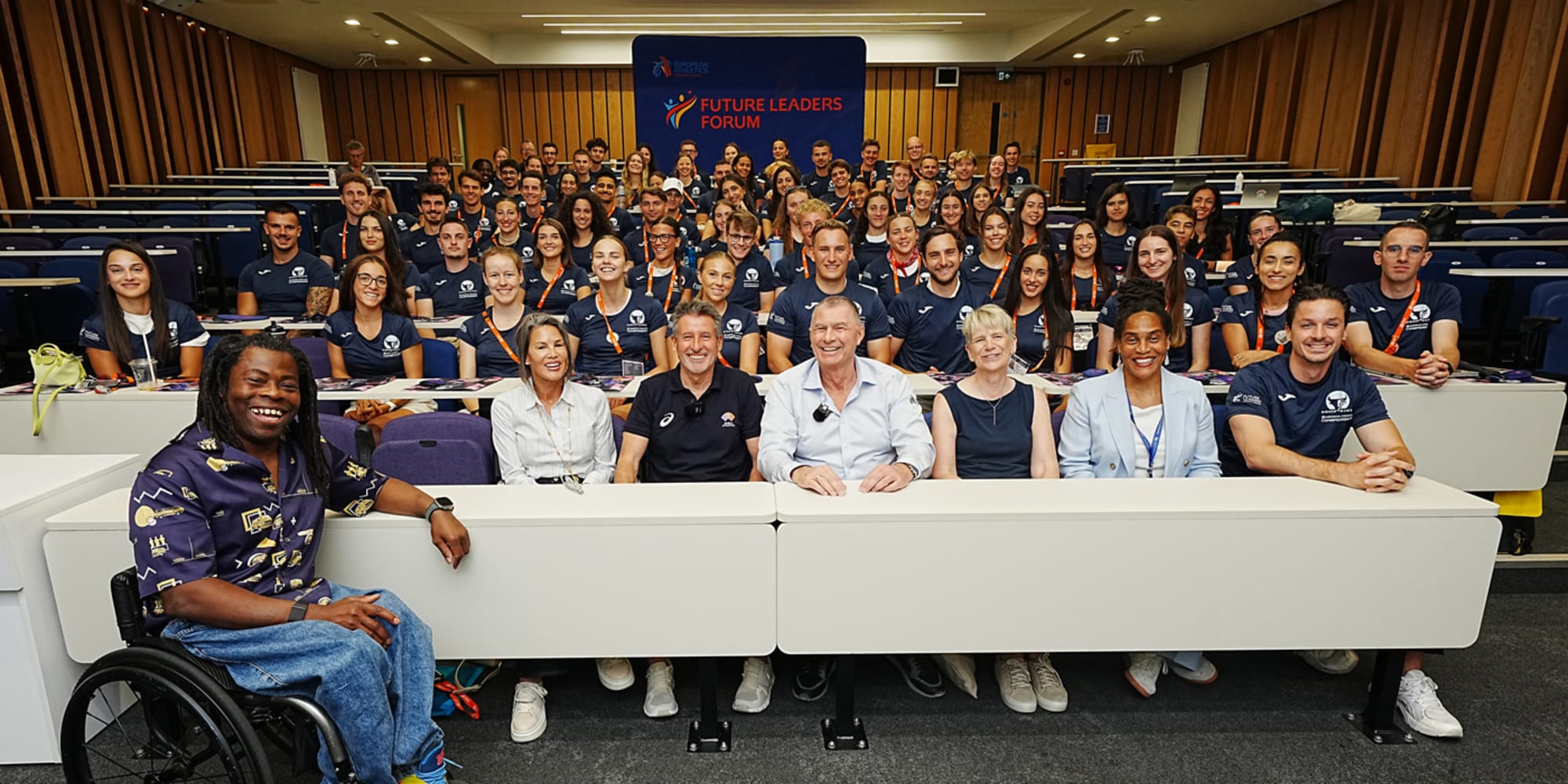


Across Europe, national athletics federations are grappling with an increasingly complex operational landscape.
From volunteer shortages and fragmented digital engagement to the perennial struggle of retaining athletes through higher education and modernising governance structures, the pressure on administrators has never been more acute.
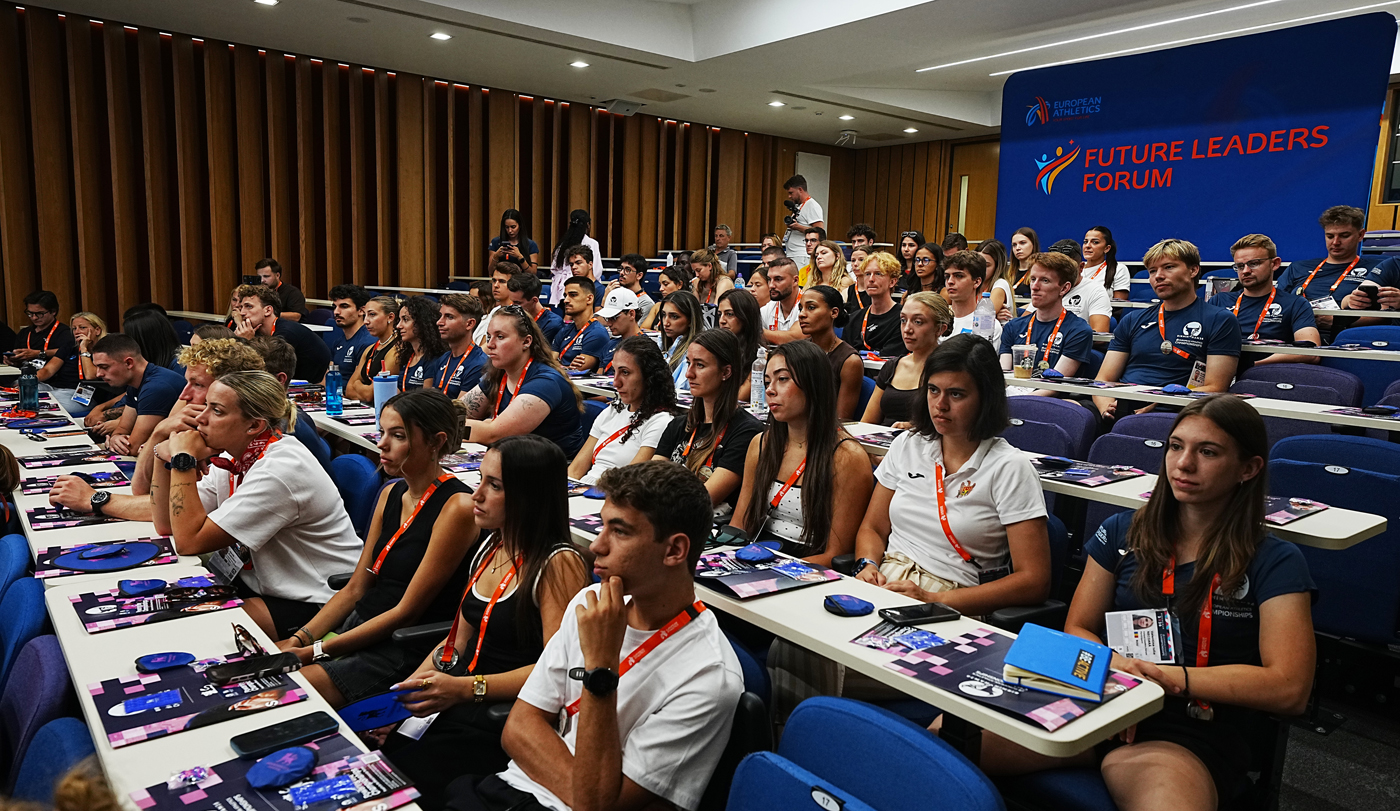
At the 20th Future Leaders Forum in Birmingham recently, 63 emerging administrators and coaches from 45 member federations were challenged to stop debating these systemic issues in the abstract and build working solutions.
Delegates had just four and a half hours to develop pitch-ready blueprints addressing the core needs identified across European federations. Spread across four thematic tracks covering sustainability, competition formats, organisational capacity and participation growth, teams produced 12 distinct projects.
Among the 12 pitches delivered to senior administrators and the European Athletics Executive Board, here are just three examples of projects that highlighted how the next generation is proposing to modernise the sport:
1. Athletes Connect: Automated Digital Recognition for Grassroots Clubs
Developed by a multinational working group from six countries (MKD, SWE, ALB, GBR, ISR, LAT), Athletes Connect addresses the critical gap in grassroots digital visibility.
- The Challenge: While senior international stars dominate national headlines and federation channels, grassroots club volunteers rarely have the time or design expertise to create regular digital content. As a result, non-elite teenagers training six days a week often see their personal bests go unnoticed, accelerating disengagement.
- The Solution: A free, federation-backed platform offering automated, AI-assisted graphics and storytelling templates. Club volunteers simply input weekend competition results to generate instant, branded social media assets celebrating every personal best and milestone.
- The Roadmap: A structured one-year rollout, beginning with a single-federation pilot before targeting 75 per cent adoption across smaller member federations.
2. Anti-Dropping: Bridging the Dual-Career Transition
Devised by delegates from six countries, Anti-Dropping targets the vulnerable 17–23 age bracket, where athlete drop-out peaks during major life changes.
- The Challenge: Athletes relocating for university frequently lose their coaching networks, struggle with academic workloads, and drift away from the sport because they lack contact points in a new city or country.
- The Solution: Establishing national ‘Anti-Dropout Coordinators’ within federations to run structured ‘Speak & Compete’ mentoring sessions at junior championships:
- Building an international database of verified training facilities, event-specific coaches, and contact points for student-athletes studying abroad.
- Introducing systematic exit surveys to identify why athletes step back, while actively opening pathways into coaching, officiating and club administration.
3. Athletes’ Voice: Direct Governance Pipelines
Pitched by delegates from Turkey, Luxembourg, Hungary and Greece, Athletes’ Voice establishes a formalised mechanism to embed the next generation directly into executive decision-making.
- The Structure: Mandating active youth and athlete committees across all member federations, drawing on proven Nordic models, with formal representation on national governing boards.
- The European Link: A shared digital hub connecting national committees across borders, allowing emerging leaders to exchange best practices, identify shared operational bottlenecks, and feed actionable proposals directly to the European Athletics Council.
From Poster Boards to Federation Policy
Crucially, the pitches did not end with the presentations. European Athletics Vice-President and Development Commission Chair Karin Grute Movin confirmed that the Legacy Lab proposals will feed directly into the Development Commission for formal evaluation and where possible, inclusion in future strategy.
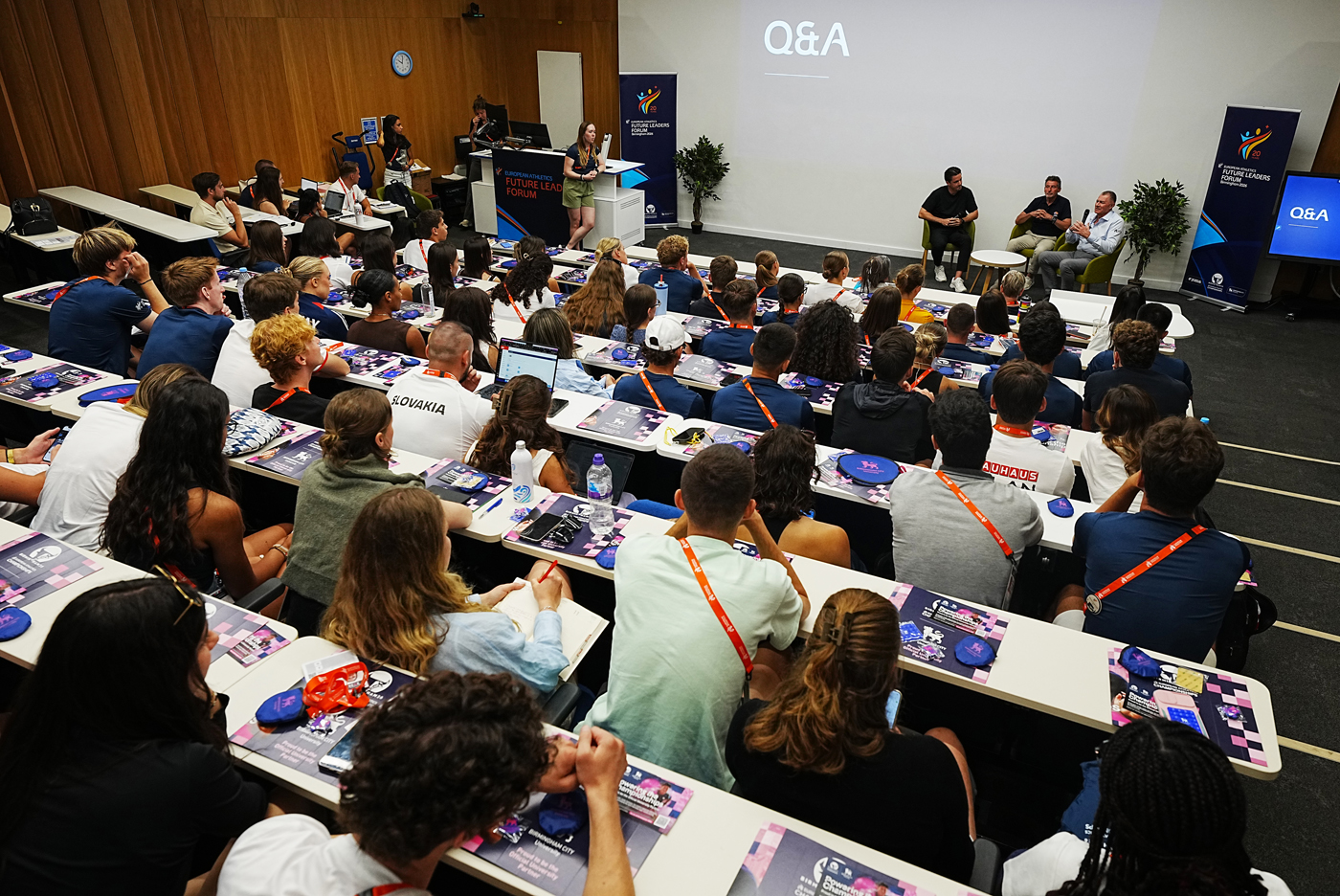
“You have asked the hard questions, and you have answered them yourselves,” Grute Movin told the delegates. “All of these ideas provide solid ground for our commission to continue working on, turning them into practical tools that can genuinely support our federations.”
European Athletics CEO Christian Milz underlined the necessity of adapting sports governance to modern demands: “We live in a world where volunteers, athletes and society expect different engagement.
"You need to be innovative, balance budgets and adapt our sport to modern reality. The future is now.”