



For many adults, memories of athletics are tied to measurements, rankings and results – how fast you ran, how far you jumped, whether you were “good at it” or not.
Tina Bischoff Gellin wants children to experience it differently.
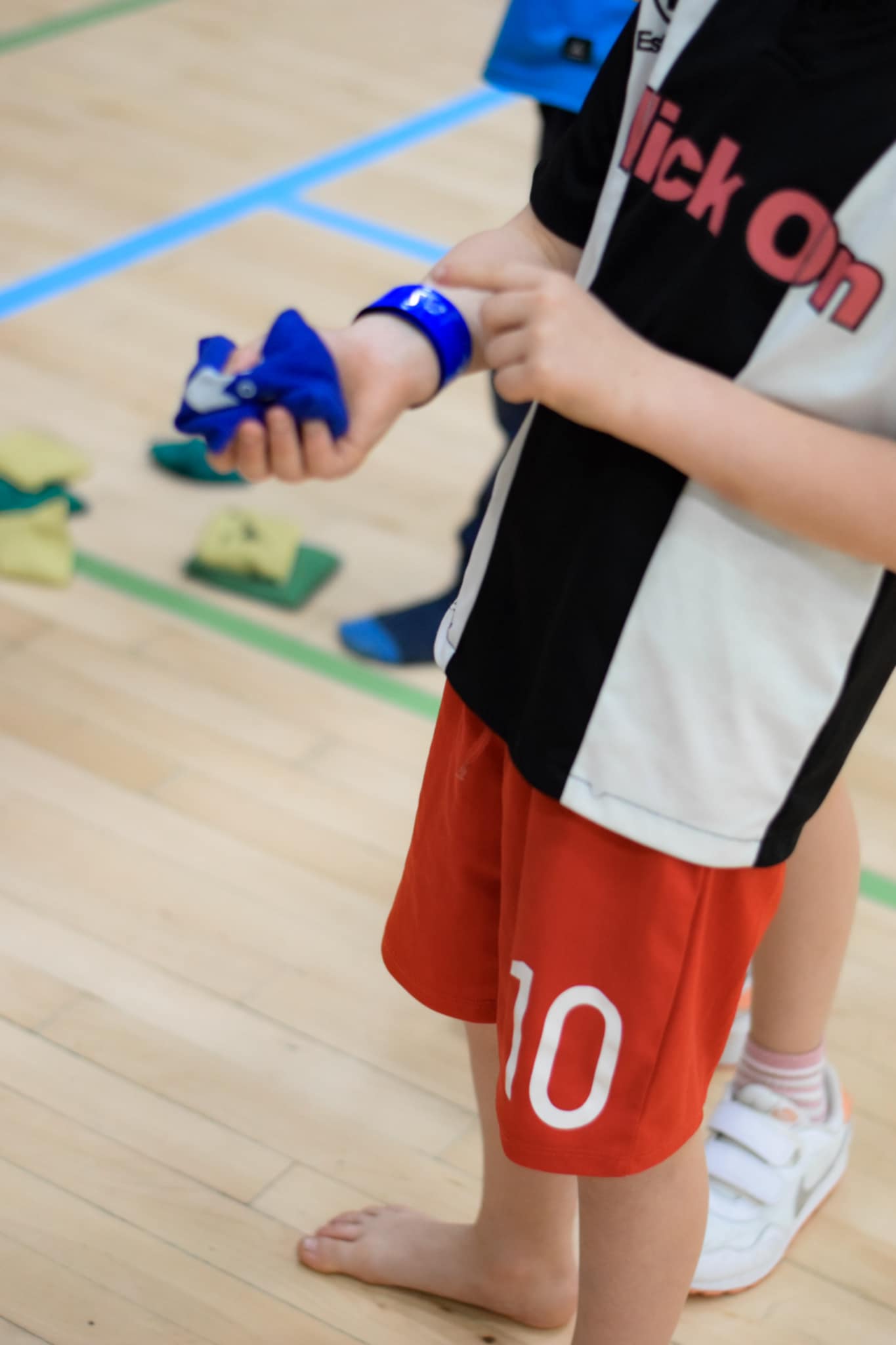
Instead of beginning with stopwatches and performance, her approach starts with imagination. A child presses an icon on a bracelet and suddenly becomes a cheetah. Or a kangaroo. Or a monkey. Sprinting becomes play, jumping becomes storytelling and athletics becomes something more joyful and less intimidating.
The project, Athletics Day in the Zoo, is one of the latest examples emerging from the wider Athletics for All movement, which aims to create more accessible entry points into athletics across Europe.
Designed initially for children aged three to six, the Danish initiative combines movement, animals, imagination and community to encourage children to engage with athletics long before competition or performance become the focus.
In many ways, it challenges some of the traditional assumptions around how young people first experience sport.
“Athletics is everywhere”
For Gellin, the idea began with a simple observation.
“Athletics is everywhere,” she says. “If you look at any sport, you have some running, some jumping or some throwing. Athletics teaches the basic motor skills.”
Before joining the Danish Athletics Federation, Gellin worked in a kindergarten, where she regularly used athletics-based activities with young children – and the response was immediate.
“The children loved it,” she says. “So I started thinking whether we could create a concept that introduces athletics in a way that’s easy to use, fun and creates positive experiences?”
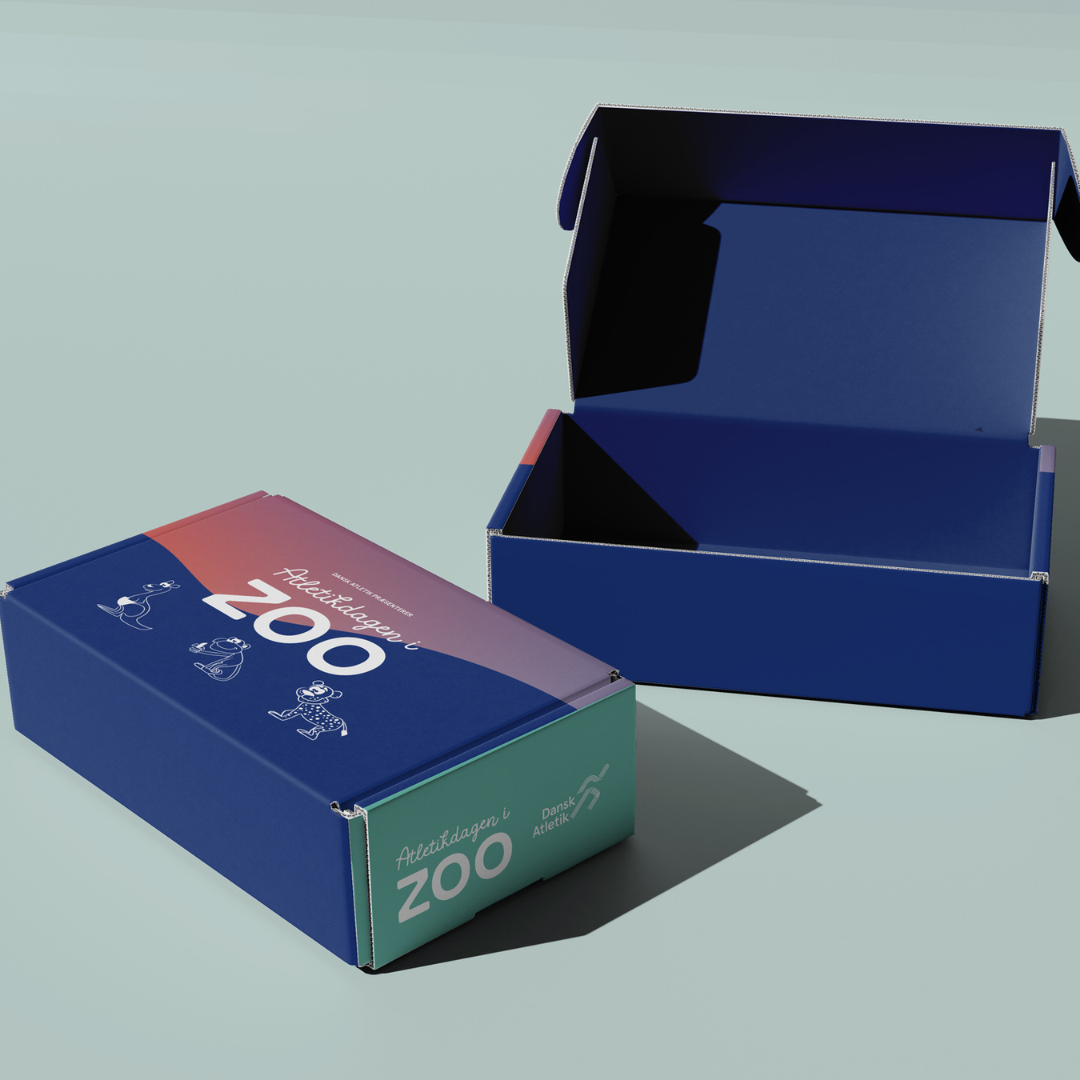
Working alongside kindergartens, clubs and educational specialists, she gradually developed the project into a reusable activity box built around storytelling and animal characters. Sustainability has been important from the beginning, so rather than a one-off event, the idea was to create something clubs and schools could return to repeatedly.
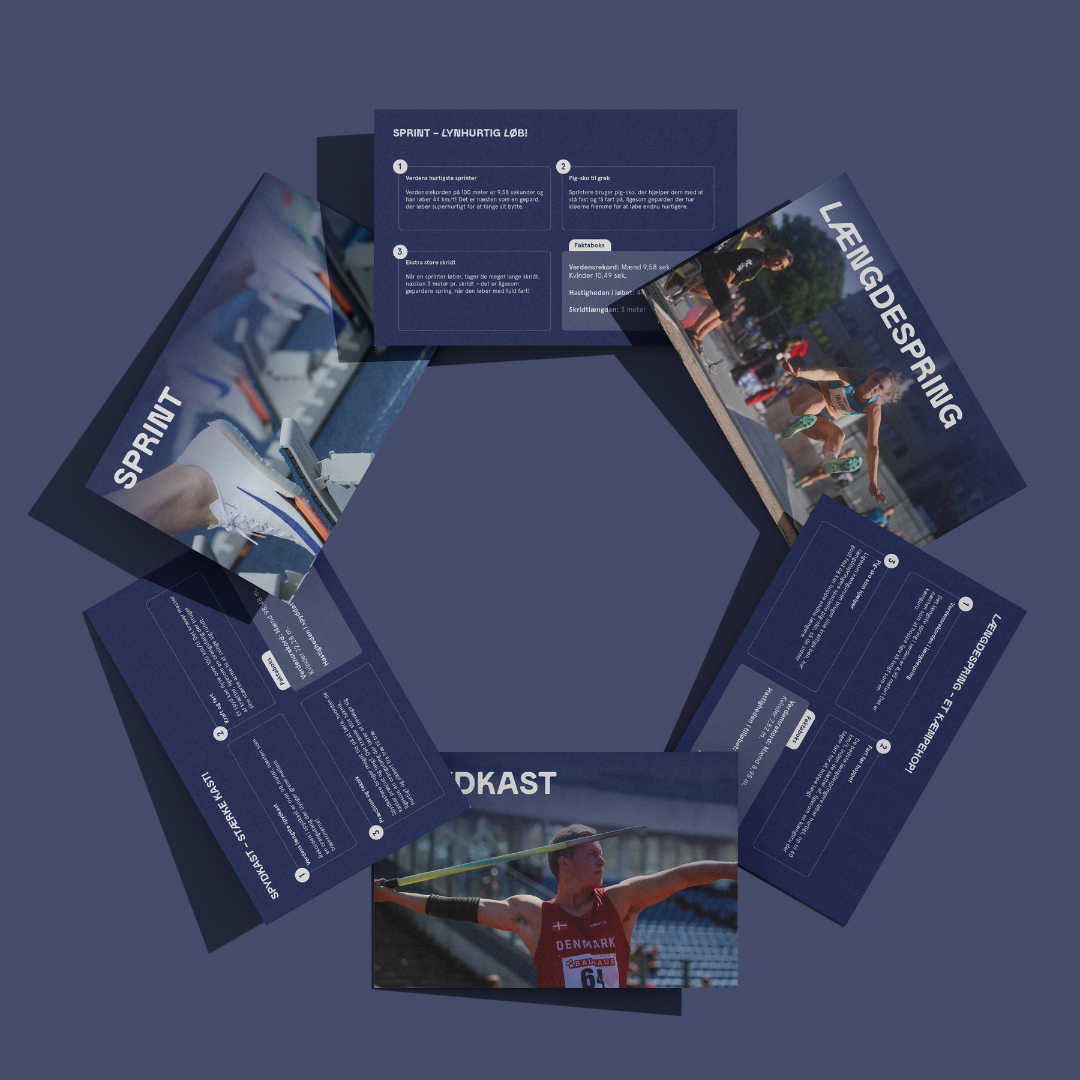
Each animal represents a different athletics movement. The cheetah becomes sprinting, the kangaroo represents jumping and the monkey introduces throwing activities. Children receive bracelets that allow them to “become” the animal they select, transforming movement into imaginative play rather than structured exercise.
“I think imagination removes the fear of failure,” says Gellin. “When children move like animals, they stop thinking about whether they are good or bad. They just move.”
When I tell a child, ‘Now you’re a cheetah,’ they completely believe it. Suddenly they’re not worried about being judged. We’re all cheetahs together.”
Movement before performance
Athletics for All represents an effort to broaden how athletics defines participation and accessibility, but the simple underlying message is “just start moving.”
“Movement is so much more than sport,” Gellin says. “It supports confidence, wellbeing, social connection and development.”
But many children, she argues, begin associating physical activity with judgement surprisingly early.
“They feel that physical activity is for the sporty kids or the talented kids,” she says. “It becomes performance-based very quickly.”
That can create barriers long before children have the opportunity to discover whether they actually enjoy movement itself.
“We need positive experiences with exercise,” Gellin explains. “Not feeling judged or measured. Just movement that feels playful, safe and engaging.”
It’s a flexible concept. Activities can happen inside stadiums, classrooms, playgrounds or kindergartens. Teachers and coaches are encouraged to adapt sessions depending on space, equipment and the needs of the children involved.
One simple activity asks children to sprint between two walls for five minutes as “cheetahs”, collecting points through high-fives with teachers and teammates.
“They were exhausted afterwards,” Gellin laughs. “But they were smiling constantly.”
Crucially, the focus was collective rather than individual.
“It wasn’t about who was fastest,” she says. “It was about how many points we collected together.”
That emphasis on teamwork and shared experience runs throughout the project.
Lowering the barriers
The issue of childhood inactivity is not unique to Denmark. Across Europe, federations and public health organisations are increasingly concerned about declining movement levels among children and growing dependence on screens and sedentary lifestyles.
Gellin sees several interconnected reasons behind the trend.
“Children spend more time sitting and using screens,” she says. “But movement has also become something where children feel judged.”
Children who develop motor skills early often gain confidence quickly. Those who struggle can begin withdrawing from physical activity almost immediately.
“You can see it very early,” she says. “Some children already think, ‘This isn’t for me.’”
That is why Athletics for All initiatives increasingly focus on creating low-pressure entry points into movement.
Internal European Athletics strategy documents describe Athletics for All as a way of broadening access, improving wellbeing and creating more inclusive participation opportunities beyond traditional competitive pathways.
The same documents also acknowledge that many people – particularly recreational runners and families – do not necessarily identify with traditional athletics structures.
Part of the challenge, therefore, is changing the stories people associate with athletics.
“When I was younger and told people I did athletics, they would always talk about results,” says Gellin. “‘I jumped this height.’ ‘I ran this time.’ Or they would say they were bad at it.”
She wants children to remember athletics differently.
“I would much rather they say: ‘I was a cheetah and it was fun.’”
Athletics beyond athletes
One of the more interesting aspects of Gellin’s work is how it broadens the definition of participation within athletics itself.
The children are active, but so are the adults around them.
Teachers can become part of the storytelling, parents join in at home and clubs collaborate with kindergartens. Communities form around shared movement rather than formal competition structures.
“We’re all important,” Gellin says. “Athletics is an ecosystem.”
That wider ecosystem is increasingly central to Athletics for All thinking.
European Athletics strategy documents highlight the importance of coaches, volunteers, schools, families and recreational participants alongside traditional athlete pathways.
The aim is not to reduce the importance of elite competition, but to create broader ways for people to connect with the sport.
“Community is often what keeps people active,” says Gellin. “If you create long-lasting enjoyment with athletics, it sticks.”
For example, one parent who borrowed the animal bracelets for a weekend returned to report that the entire family had spent days pretending to be cheetahs, monkeys and kangaroos around the house.
“They played with them the whole weekend,” Gellin says. “Even when the children were slow getting dressed, the mother would say, ‘Come on, push the cheetah button now and get moving.’”
The simplicity of the idea is part of its strength. “It surprised me how much the bracelet mattered,” she says.
Growing beyond Denmark
What began as a local Danish initiative is now starting to attract wider interest across Europe.
Through European Athletics mentoring programmes and federation collaboration, Gellin has already shared the concept with organisations in countries including Sweden, Iceland, the Netherlands and the UK.
The timing is important, too.
In Denmark, athletics participation among children aged zero to six has reportedly increased significantly over the past two years, with some clubs now introducing regular family athletics sessions and new early-years programmes.
For Gellin, this age group represents a major opportunity for athletics.
“In Denmark, parents often think first about gymnastics or swimming for young children,” she says. “But athletics teaches the same basic motor skills.”
The challenge is ensuring athletics tells that story clearly enough.
For many children, the first experience of sport shapes everything that follows.
“If movement feels joyful, social and safe,” says Gellin, “people are much more likely to continue.”
And sometimes, all it takes to begin is becoming a cheetah for five minutes.